Top 10 Benefits of Using 48V Lifepo4 Batteries for Buyers?
In recent years, the demand for efficient energy storage solutions has surged. The 48V Lifepo4 Battery stands out as a reliable choice for users across various sectors. According to a report by MarketsandMarkets, the lithium-ion battery market is expected to reach $129.3 billion by 2027. This growth is fueled by the advantages of advanced battery technologies.
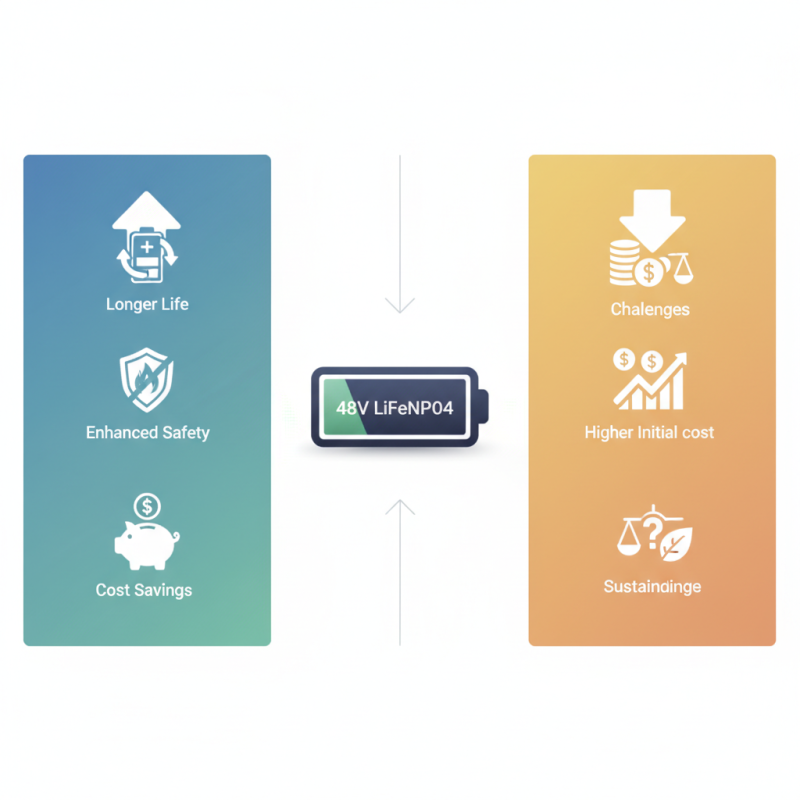
The 48V Lifepo4 Battery offers longer life cycles and enhanced safety compared to traditional batteries. One report notes that Lifepo4 batteries can have a cycle life of 2,000 to 7,000 cycles. This durability reduces the frequency of replacements and ultimately lowers costs. Additionally, they exhibit thermal stability, making them less prone to overheating.
While these batteries are beneficial, buyers should acknowledge some challenges. Initial costs can be higher compared to lead-acid batteries. However, the long-term savings in maintenance and energy efficiency often justify the initial investment. Overall, the 48V Lifepo4 Battery represents a smart choice for buyers prioritizing sustainability and performance. It’s essential to weigh both the benefits and potential drawbacks before making a decision.
Overview of 48V Lifepo4 Battery Technology and Its Features
The 48V Lifepo4 battery technology offers numerous advantages, becoming a favorite among energy storage solutions. With a nominal voltage of 48V, these batteries are particularly efficient in high-power applications. The Lifepo4 chemistry provides safety benefits, notably thermal stability, which reduces fire risks associated with lithium-ion batteries. Data from industry reports highlight that Lifepo4 batteries can withstand temperatures up to 60 degrees Celsius without degradation.
The longevity of Lifepo4 batteries is impressive. They typically offer over 2,000 charge cycles, significantly outperforming traditional lead-acid batteries, which often last only about 500 cycles. This longevity translates into lower replacement costs and less environmental waste. However, these batteries can be heavier, which may be a consideration in portable applications. Users should also note that the initial cost is higher than lead-acid alternatives, requiring upfront investment assessments.
Power delivery is another compelling feature. These batteries can provide high discharge rates, making them suitable for demanding applications like electric vehicles and renewable energy systems. Industry insights indicate that Lifepo4 batteries maintain stable voltage levels throughout discharge. However, some users report that they can exhibit uneven discharge in less optimized systems, leading to performance inconsistencies. Understanding these dynamics is crucial for potential buyers.
Enhanced Safety and Stability Compared to Other Battery Types
When considering battery options, safety and stability are crucial. 48V LiFePO4 batteries stand out for their enhanced safety features. Unlike traditional lithium-ion batteries, LiFePO4 chemistry is more stable. It has a higher thermal stability that reduces risks of overheating or fires. Users can feel more secure knowing that these batteries have built-in protections against overcharging and short circuits.
Moreover, the longevity of LiFePO4 batteries adds to their reliability. They can last up to 10 years with proper care. This longevity means fewer replacements and less waste. Many people underestimate the environmental impact of battery disposal. Choosing a stable battery extends its life and minimizes harm to the planet.
However, it's essential to acknowledge the initial cost associated with LiFePO4 batteries. They may be more expensive upfront compared to other types. This can deter some buyers. It's worth reflecting on what you value more: short-term savings or long-term safety and stability. Balancing these considerations is vital when making a final decision.
Longer Lifespan and Durability Benefits of Lifepo4 Batteries
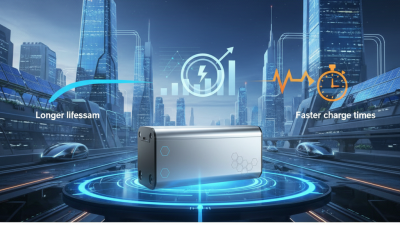
Lifepo4 batteries are becoming increasingly popular due to their significant advantages. One of the most notable benefits is their longer lifespan. These batteries can last over 2000 charge cycles. In terms of durability, Lifepo4 batteries can withstand extreme temperatures. This makes them suitable for various applications.
Beyond longevity, Lifepo4 batteries have a stable chemical composition. This stability reduces the risk of overheating and other safety concerns. However, some users may experience performance drops in certain conditions. Understanding this limitation helps in effectively utilizing the batteries.
Users often find that these batteries require less maintenance. They don’t need frequent replacements, saving time and money. Nonetheless, some may hesitate due to the higher upfront costs. It’s essential to weigh the initial investment against long-term savings. Balancing these factors can lead to informed decisions about their use.
Environmental Impact and Recycling Advantages of Lifepo4 Batteries
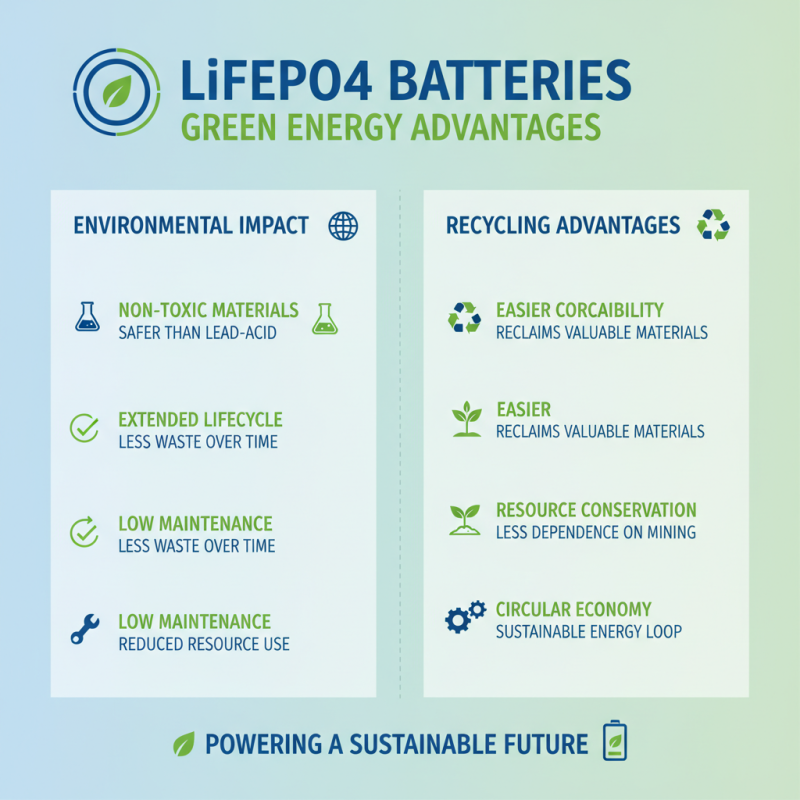
Lithium iron phosphate (LiFePO4) batteries are known for their eco-friendly characteristics. They are non-toxic, making them a safer option compared to traditional lead-acid batteries. This contributes positively to the environment. Their long life cycle and lower maintenance needs also reduce waste over time. In addition, these batteries can be recycled more easily than many others. This recyclability is vital as it ensures that valuable materials are reclaimed rather than discarded.
Moreover, using LiFePO4 contributes to lower pollution levels. When batteries reach the end of their life, their components can be safely repurposed. This process minimizes environmental impact. However, challenges still exist in establishing a widespread recycling infrastructure. The need for awareness and education is crucial in improving recycling rates for these batteries.
It's essential to recognize that while LiFePO4 technologies are promising, improving recycling methods must be a priority. Manufacturers and consumers alike need to ensure responsible disposal. By focusing on sustainability in the battery industry, we can harness these advantages effectively.
Cost Efficiency and Return on Investment for Consumers Using Lifepo4
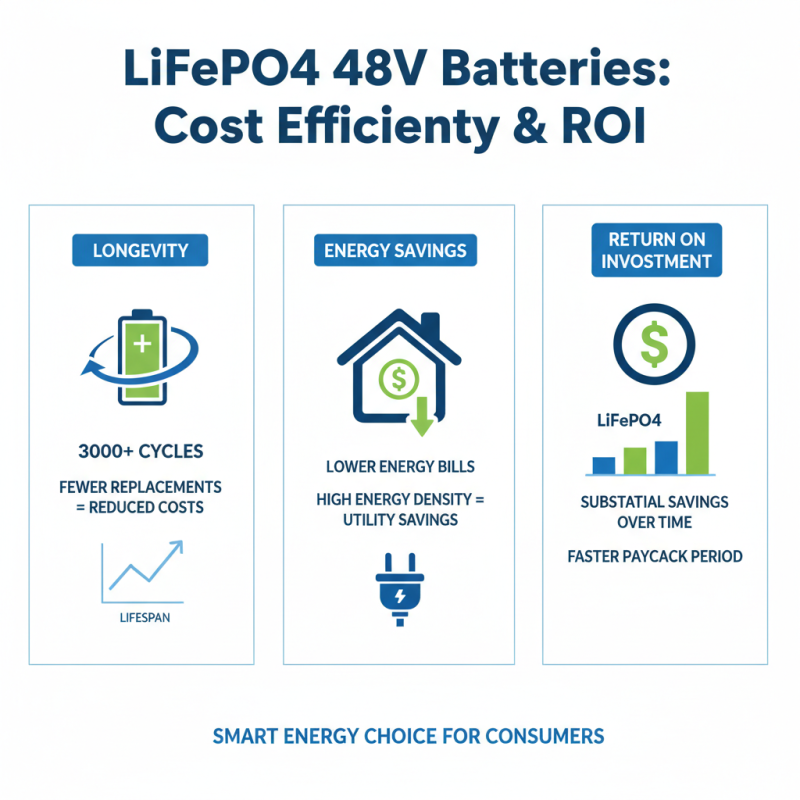
When considering 48V Lifepo4 batteries, cost efficiency stands out. These batteries offer a remarkable lifespan, often exceeding 3000 cycles. This longevity translates to fewer replacements and reduced overall costs. Many buyers report substantial savings in energy bills, thanks to the excellent energy density Lifepo4 batteries provide.
Additionally, the initial investment in Lifepo4 batteries can be daunting. However, their durability and efficiency often yield a strong return on investment. As energy prices rise, the ability to store energy effectively becomes crucial. Users can benefit from solar integration, maximizing their savings over time. Unexpected failures or maintenance costs can happen. Thus, further research and careful calculations are essential to ensure that you make well-informed choices.
One must also consider the environmental impact. While Lifepo4 batteries are more eco-friendly than traditional options, their production doesn’t come without challenges. Consumers should weigh these aspects carefully. Taking the time to assess both short-term costs and long-term benefits provides a clearer picture of financial viability and sustainability.