7 Best Lawn Mower Batteries for 2026
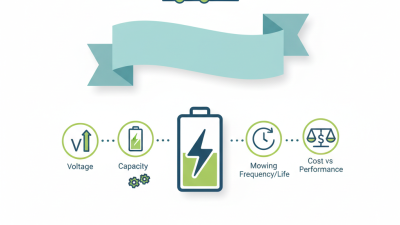
Choosing a Lawn Mower Battery for 2026 is not just about voltage or price. It is about matching the pack to your mower, lawn size, and charging habits. A battery that fits the brand but struggles through thick, damp grass may disappoint. So can a powerful pack that adds needless weight.
Grand View Research valued the global lawn mower market at about $32.7 billion in 2023 and forecast continued growth through 2030. That figure covers lawn mowers overall, not batteries alone. It still signals a changing market, where battery-powered models are increasingly part of the buying conversation. Battery University founder Isidor Buchmann’s published guidance emphasizes a practical point: battery performance depends on appropriate charging and operating conditions. Follow the mower maker’s specifications, not just a retailer’s headline claims.
Small details matter. Check the voltage platform, amp-hour rating, charge time, warranty, and compatibility list. Compare how long each battery runs under realistic cutting conditions, not only ideal test settings. There is no perfect choice. Grass height, slope, temperature, and blade condition all affect runtime, and product claims can be hard to compare directly. A larger battery may extend a session, but it can also cost more and weigh more.
This guide compares seven leading options for 2026, including their strengths, trade-offs, and best-fit users. Expect practical differences. The right Lawn Mower Battery is the one that reliably finishes your yard without paying for capacity you rarely use.
How Lawn Mower Batteries Differ by Type and Design
7 Best Lawn Mower Batteries for 2026
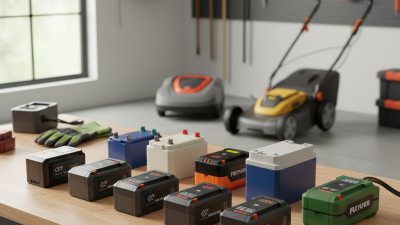
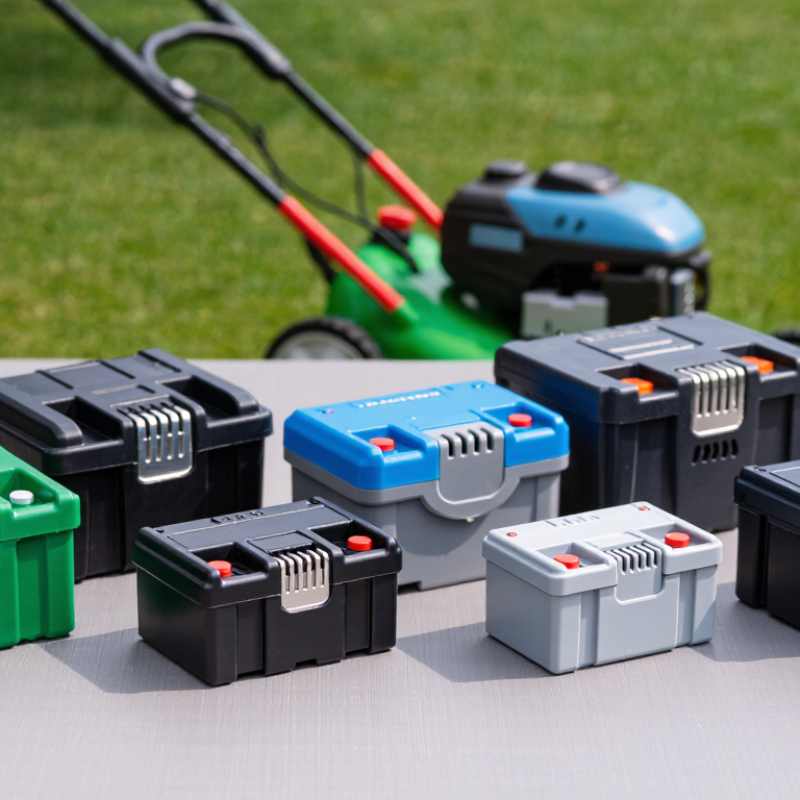
Lawn mower batteries differ in chemistry, voltage, capacity, and case design. These details affect starting power, runtime, weight, and fit. A battery that looks right may still have the wrong terminal layout. Fit comes first.
Lead-acid batteries are often heavier and may need more routine care. Lithium-ion models usually weigh less and can recharge faster, but they require a compatible charging system. Check the mower manual before switching battery types. Cold weather can reduce performance, while age and storage habits also matter. A larger amp-hour rating may extend runtime, but it does not guarantee compatibility or stronger starting power. That distinction is easy to miss.
Tips: Match the battery’s voltage, dimensions, terminals, and chemistry to the mower’s specifications. Keep terminals clean and dry, and use only a charger suited to that battery type. If the mower struggles to start, check the connections before assuming the battery is worn out. It may be the fit.
What to Check When Choosing a Mower Battery
Before buying a mower battery, match its voltage, chemistry, dimensions, and terminal layout to the mower’s manual. Fit comes first. A battery can have ample capacity and still fail to fit beneath the seat or connect safely. Measure the tray, then check terminal orientation. For riding mowers, compare the required cold-cranking amps, or CCA, with the battery’s rating; for electric models, check voltage and amp-hours.
Battery chemistry matters, too. Lead-acid batteries often need periodic care and a compatible charger, while lithium-ion models require chargers designed for their chemistry. Battery Council International reports that roughly 99% of lead batteries in the United States are recycled. That figure supports choosing a clear end-of-life recycling route, but it does not tell you how long a particular mower battery will last. I would still verify the charger and maintenance instructions rather than assume two batteries are interchangeable.
Tips: Photograph the old battery’s label before shopping. Confirm polarity, case size, and charger compatibility against the manual. Cold matters. If the mower starts slowly after storage, check the battery’s age and connections before blaming capacity alone. A loose terminal can mimic a failing battery.
Seven Lawn Mower Batteries Worth Considering in 2026
A useful shortlist starts with three 12-volt starting batteries: conventional flooded lead-acid, sealed AGM, and lithium starting batteries. Flooded batteries are familiar and often economical, but need suitable ventilation and routine checks. AGM units resist spills and suit owners who prefer less maintenance. Lithium starting batteries are lighter, yet cold-weather performance and charger compatibility deserve careful checking. Fit matters most. Match the mower’s voltage, terminal layout, and required capacity before buying.
For cordless mowers, four platform options are worth comparing: 36V, 40V, 56/60V, and 80V battery packs. Higher voltage alone does not guarantee longer runtime; capacity, blade load, grass height, and pack condition matter too. A dense, damp lawn can drain a battery faster than a tidy patch. Keep the manual nearby, and avoid assuming packs from different platforms will interchange. I would double-check that detail.
BloombergNEF’s 2023 Battery Price Survey reported an average lithium-ion pack price of $139 per kilowatt-hour, 14% lower than in 2022. That figure describes vehicle packs, not mower batteries or retail prices, so it is context—not a shopping quote. Compare warranty terms, replacement availability, and charging guidance alongside price. One imperfect reality: a bigger pack can feel reassuring, but it may add weight without solving an undersized mower’s workload.
How to Match a Battery to Your Mower
Matching a battery starts with the mower, not the price tag. Check the owner’s manual or the label on the old battery for voltage, dimensions, terminal layout, and required starting power. A riding mower may use a 12-volt battery, but that is not universal. Measure the battery tray; a case that is slightly too tall can press against the seat or hood. Fit matters.
For a gas mower, compare the cold-cranking amp rating with the mower’s requirements, especially if you start it in chilly weather. The terminals must match the cables without stretching or crossing them. A battery with more amp-hours is not automatically a better choice if it does not fit or suit the charging system. Easy to overlook. I’d still verify the manual, even when the old battery seems like a perfect guide; a previous owner may have installed the wrong type.
Cordless electric mowers need a different check. Confirm the battery’s voltage and its compatibility with the mower’s battery system, then consider capacity: more amp-hours can extend runtime, but may add weight and cost. Use a charger intended for that battery chemistry and system. One detail can be frustrating: published runtime may not reflect thick, damp grass or frequent stops. Think about your actual yard, not just the number on the package.
Battery Installation, Care, and Safety Basics
Before installing a lawn mower battery, park on level ground, remove the key, and let the engine cool. Photograph the old cable layout. On a negative-ground system, disconnect the negative terminal first, then the positive; reconnect in reverse order. Check the manual before proceeding. Match the specified voltage, battery type, and terminal arrangement; a battery that fits may still be unsuitable. Keep metal tools away from both posts to prevent accidental contact. No shortcuts here.
Keep terminals clean and connections snug, but avoid letting water pool around the battery. Charge lead-acid batteries in a ventilated area, using a charger suited to the battery type. For lithium batteries, use the specified charger and stop if the case is swollen, cracked, or unusually hot. I’d also check the battery before winter storage; it’s easy to forget, and a neglected charge can shorten service life. Battery Council International reports that about 99% of lead batteries in the United States are recycled. Take an old lead-acid battery to an appropriate collection point instead of putting it in household trash.