留下你的信息

10 Best LiFePO4 Battery Packs for Global Buyers

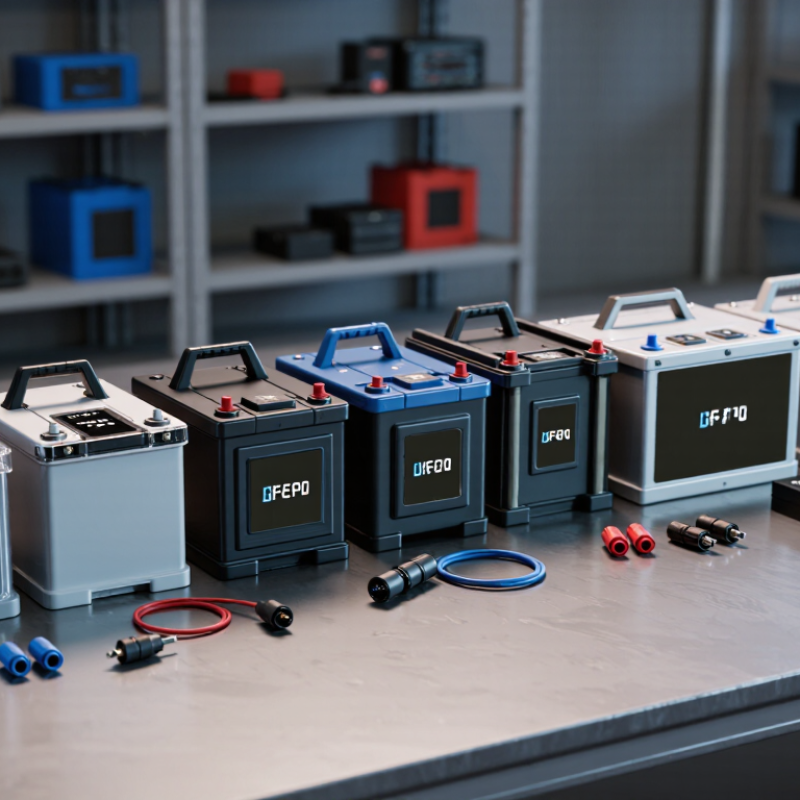
Choosing a Lifepo4 Battery Pack is not just a question of capacity. Buyers also need to weigh cycle life, usable energy, charging limits, protection systems, and support after purchase. A pack can look impressive on a product page. Its performance in a hot shed or a cold vehicle may tell a different story.

The International Energy Agency’s Global EV Outlook 2024 reports that lithium iron phosphate batteries supplied about 40% of the global electric-car battery market in 2023, up from less than 10% in 2020. That growth reflects wider adoption, but it does not make every pack equally reliable. Battery pioneer Dr. M. Stanley Whittingham helped establish the rechargeable lithium-battery field. In paraphrase, his work points to a practical lesson: chemistry matters when it delivers useful energy safely and consistently.

Details matter. Compare verified capacity with the load you actually plan to run. Check the battery-management system, operating-temperature range, warranty terms, and charger compatibility. For a cabin setup, imagine the pack beside a heater on a winter morning; for an RV, consider vibration and limited ventilation. These conditions expose weaknesses that a specification sheet may not show.

No single model suits every buyer. Some listings also leave important test conditions unclear. This guide compares ten LiFePO4 battery packs for global buyers, focusing on evidence, application fit, and practical trade-offs rather than headline claims alone.

10 Best LiFePO4 Battery Packs for Global Buyers

How LiFePO4 Battery Packs Work and Where They Are Used

LiFePO4 battery packs store energy in cells made with lithium iron phosphate cathodes. Each cell produces about 3.2 volts nominally. Cells connect in series to raise voltage, or in parallel to increase capacity. A battery management system monitors cell voltage, current, and temperature. It can limit charging or discharging when readings leave safe operating ranges. That matters. The chemistry is known for good thermal stability and long cycle life, but no battery is risk-free.

These packs are used in home solar storage, recreational vehicles, boats, backup power systems, and some electric equipment. Their steady output suits appliances such as lights, refrigerators, and small pumps. Compared with lead-acid batteries, LiFePO4 packs are often lighter and can provide more usable capacity. Fit still matters: voltage, capacity, peak current, and operating temperature must match the equipment. A pack that looks suitable may not meet a device’s startup current.

Tips: Check the pack’s rated voltage and continuous current against your load, not just its capacity in amp-hours. Ask whether the charger is designed for LiFePO4 chemistry. Keep the battery within its stated temperature limits, and use a properly rated fuse and cables. Leave room for ventilation and inspection. One detail is easy to overlook: cold-weather charging may need protection, even when the battery can still discharge.

Key Specifications for Comparing LiFePO4 Battery Packs

Compare packs at the same nominal voltage, then check capacity in amp-hours and energy in watt-hours. A 12.8-volt, 100-Ah pack stores about 1,280 watt-hours nominally, but usable energy depends on the pack and its operating limits. Check continuous discharge current against your equipment’s steady load. Then compare peak current and its permitted duration. Brief surges matter.

Read the battery management system specifications, not just the capacity label. It should state protection limits for overcurrent, overcharge, and low-voltage discharge. For cold-weather use, confirm whether charging is blocked at low temperatures; a discharge rating does not confirm safe cold charging. Check the specified charging voltage and current, too. Small details matter.

Cycle-life figures need context. Compare the stated cycle count at similar depth of discharge, temperature, and test conditions; numbers alone can mislead. Check the warranty terms, dimensions, weight, terminal type, and enclosure rating against your installation. A pack that fits on paper may not fit beside a cabinet wall or allow cable access. I would also leave some capacity margin for future loads. Honestly, predicting those loads is imperfect, so record what your equipment actually draws before choosing.

Ten LiFePO4 Battery Packs Compared for Global Buyers

Comparing ten LiFePO4 battery packs means looking beyond capacity labels. A compact 12.8-volt pack may suit a portable setup, while a 25.6-volt option can reduce current in some systems. Larger 51.2-volt packs often serve home storage or heavier equipment. Yet voltage alone tells little. Check usable capacity, continuous discharge limits, and the battery management system’s protections. Small details matter.

For buyers across different climates, temperature limits deserve close attention. A pack may restrict charging near freezing, even when it can still discharge. Look for clear operating ranges and guidance on low-temperature charging. Also compare enclosure dimensions, terminal placement, monitoring options, and warranty terms. A battery that fits neatly on a product page may not fit your cabinet. Measure twice.

The ten choices may range from lightweight, modest-capacity units to high-capacity packs designed for fixed installations. Some prioritize portability; others emphasize sustained output or easier system expansion. Ask for test documentation and confirm that the stated figures apply to the complete pack, not just its cells. Check local installation requirements, too. A tidy comparison table can still miss the real constraint: wiring, ventilation, or available space. I would not rank these packs without knowing the intended load and environment.

10 LiFePO₄ Battery Pack Configurations Compared

Nominal energy capacity of common pack configurations for global buyers

Energy is calculated as nominal voltage × capacity. These are configuration examples, not specific products; actual specifications, usable energy, and performance vary by manufacturer and model.

Regional Standards, Shipping Rules, and System Compatibility

Choosing a LiFePO4 pack across borders means checking more than voltage and capacity. IEC 62619 addresses safety requirements for industrial lithium cells and batteries, while transport acceptance follows separate UN 38.3 testing requirements. Ask suppliers for test summaries, battery configuration details, and documents matching the exact pack. Paperwork matters.

Shipping rules can vary by transport mode, carrier, and destination. Packaging, labels, and permitted state of charge may affect acceptance. A battery accepted for sea freight may not be ready for air freight. Confirm requirements with the carrier before booking, not after pallets reach the terminal. That timing is easy to underestimate.

System fit needs the same care. Check the inverter’s voltage range, continuous current, and BMS communication protocol; CAN or RS-485 support alone does not guarantee compatibility. The IEA’s Batteries and Secure Energy Transitions report says battery storage additions reached about 42 GW in 2023, up more than 130% from 2022. That growth makes clear documentation increasingly important, but it does not make every pack interchangeable. Regional conformity rules and grid requirements still differ. A tidy certificate folder is reassuring, though it cannot replace checking the actual installation conditions.

10 Best LiFePO4 Battery Packs for Global Buyers - Regional Standards, Shipping Rules, and System Compatibility

Comparison of common LiFePO4 pack configurations for different applications. These are representative specifications, not named or guaranteed products; verify the battery label, datasheet, certifications, and local requirements before purchase.

Rank Recommended Pack Profile Typical Application Nominal Voltage Capacity Nominal Energy System Compatibility Checks Regional Standards to Check Shipping and Import Notes
1 Compact 12.8 V pack Small backup systems, lighting, and portable equipment 12.8 V (4 cells in series) 50 Ah 0.64 kWh Confirm the device accepts a LiFePO4 charging profile; a common 4-cell charge ceiling is 14.6 V, subject to the pack maker’s specification. For industrial use, check applicable IEC 62619 requirements and destination-market conformity obligations. In North America, verify whether UL 1973 is required for the intended stationary application. Obtain evidence of UN 38.3 testing and the required test summary. Lithium batteries shipped by themselves are generally classified as UN 3480 and subject to current air, sea, and road dangerous-goods rules.
2 12.8 V general-purpose pack Caravans, small boats, and low-voltage off-grid loads 12.8 V (4 cells in series) 100 Ah 1.28 kWh Check continuous and surge current against the inverter or motor load. Confirm charger settings, low-temperature charge protection, and whether the BMS supports the required current. For EU/EEA sales, confirm applicable EU product and battery-law obligations; CE marking applies only where relevant legislation requires it and is not itself a battery safety test. Check marine or vehicle-specific rules where applicable. Confirm packaging, labels, documents, and carrier acceptance for the exact battery configuration. Import duties, dangerous-goods handling, and battery recycling obligations vary by destination.
3 12.8 V high-capacity pack Longer-duration RV, marine, and backup use 12.8 V (4 cells in series) 200 Ah 2.56 kWh Check dimensions, weight, cable and fuse ratings, and mounting requirements. Confirm that any parallel connection is allowed by the pack maker and that packs are matched as specified. For stationary installations, assess the complete energy-storage system against applicable local electrical and fire codes; cell or battery certification alone may not establish system compliance. The larger energy content can affect carrier acceptance and handling. Check current IATA DGR, IMDG Code, or applicable road rules rather than relying on small-battery exceptions.
4 25.6 V compact pack 24 V equipment, compact solar storage, and mobile systems 25.6 V (8 cells in series) 50 Ah 1.28 kWh Use a charger and inverter explicitly compatible with 8-cell LiFePO4 packs. A common full-charge ceiling is 29.2 V, but the pack datasheet takes priority. Check IEC 62619 or other applicable product requirements for industrial or stationary use, plus local wiring, overcurrent protection, and installation rules. UN 38.3 testing is a transport requirement for lithium battery designs. Confirm the shipper has the correct classification and documentation for standalone batteries or batteries packed with/contained in equipment.
5 25.6 V balanced-capacity pack Mid-size 24 V solar and backup systems 25.6 V (8 cells in series) 100 Ah 2.56 kWh Confirm inverter low-voltage cutoff and charge voltage are suitable for LiFePO4; lead-acid presets may not be appropriate. Check BMS communication requirements if using a managed inverter. In the United States and Canada, verify the standards demanded by the authority having jurisdiction, insurer, and system integrator; UL 1973 and UL 9540 may be relevant to stationary storage applications. For air transport, standalone lithium-ion batteries are generally UN 3480; current IATA rules impose specific packing, marking, documentation, and state-of-charge requirements. Confirm the current edition with the carrier.
6 25.6 V extended-runtime pack Longer-duration 24 V off-grid and backup installations 25.6 V (8 cells in series) 200 Ah 5.12 kWh Plan for high fault current: use appropriately rated fuses, disconnects, and cables. Confirm inverter surge demand, battery operating temperature, and the required ventilation or enclosure conditions. UL 9540 is a system-level standard in relevant North American markets; UL 9540A is a test method for evaluating thermal-runaway fire propagation, not a standalone product certification. Confirm local code acceptance. Sea and road shipments remain subject to applicable dangerous-goods rules. Do not assume a small-battery or consumer-product exemption applies to a high-capacity pack.
7 51.2 V compact system pack 48 V telecom, server backup, and residential storage systems 51.2 V (16 cells in series) 50 Ah 2.56 kWh Check the inverter’s permitted DC voltage range and BMS communication protocol. A common 16-cell full-charge ceiling is 58.4 V; use the pack manufacturer’s recommended settings. For EU industrial applications, IEC 62619 may be specified; confirm the relevant EU conformity, installation, and grid-connection requirements separately. For North American stationary systems, check UL 1973 and system-level requirements where applicable. Request the UN 38.3 test summary and shipping classification. Air cargo may be restricted or unavailable on a particular route; verify acceptance before booking.
8 51.2 V residential-storage pack Home solar self-consumption and backup systems 51.2 V (16 cells in series) 100 Ah 5.12 kWh Check approved inverter compatibility, charge/discharge current limits, BMS communication, and parallel-operation rules. Confirm the system’s usable energy separately from nominal energy. The complete installation may need system-level evaluation, such as UL 9540 in relevant North American markets, and must meet local electrical, building, and fire codes. Product-level battery compliance is not a substitute for system approval. Confirm whether the battery is shipped alone, packed with equipment, or installed in equipment; these categories can have different transport provisions and documentation.
9 51.2 V high-capacity storage pack Larger residential or commercial backup installations 51.2 V (16 cells in series) 200 Ah 10.24 kWh Verify inverter power, BMS current limits, short-circuit protection, grounding, and permitted expansion. Confirm installation clearances and whether the system requires a dedicated battery enclosure. Check stationary-battery and complete-system standards required in the installation region. UL 9540A test results may support fire-risk evaluation but do not replace required system certification or local approval. Large standalone packs require qualified dangerous-goods handling. Confirm packaging, freight mode, route restrictions, insurance, and destination import documentation with the shipper.
10 Modular 51.2 V rack pack Expandable telecom, data-room, and commercial storage systems 51.2 V (16 cells in series) 100 Ah per module 5.12 kWh per module Confirm rack dimensions, busbar and breaker ratings, module communication, firmware compatibility, and the maximum permitted number of parallel modules. Use only configurations approved by the system designer. Check applicable stationary-battery standards, system certification, telecom or data-center requirements, and local fire and electrical codes. IEC 62619 may be relevant for industrial lithium battery applications. Each module and the assembled shipment must meet applicable transport rules. Confirm whether consolidation changes the package classification, required marks, documents, or carrier acceptance.

Global buyer checklist: Request a current datasheet, UN 38.3 test summary, battery safety documentation, exact BMS limits, and written inverter/charger compatibility. Air, sea, and road transport rules change; shippers must use the current rules for the route and transport mode. Standards and certification requirements depend on battery use, system design, and destination jurisdiction.

How to Choose a Battery Pack for Your Power Needs

Choosing a LiFePO4 battery pack starts with the equipment it must run, not the largest capacity available. List each device’s wattage and daily operating hours; a 60-watt router used for eight hours needs about 480 watt-hours before conversion losses. Add a margin for inverter losses, reserve capacity, and temperature limits. Estimates are imperfect.

Match the pack voltage to your system, such as a 12-volt setup, and check both continuous and surge output. A refrigerator may draw several times its running power when the compressor starts. Confirm the battery management system supports the load, and that the charger matches the pack’s voltage and charging limits. Measure the space, too: terminal position, cable reach, and mounting can matter as much as capacity. Check the specifications.

For frequent off-grid use, compare usable energy, cycle-life test conditions, warranty terms, and operating temperature range rather than relying on headline figures. A 1,000-watt-hour pack will not deliver 1,000 watt-hours to AC devices after inverter losses and reserve limits. Ask for a clear datasheet, and verify that its figures describe the complete pack, not individual cells. Leave room for your needs to change; buying too tightly sized can become an expensive lesson.