What is the Best Waterproof Battery for Outdoor Use?
When considering outdoor activities, the importance of a reliable Waterproof Battery cannot be overstated. Dr. Emily Carter, a leading expert in battery technology, emphasizes, "Choosing the right waterproof battery can make or break your outdoor adventures." A good waterproof battery ensures that your devices stay powered in all weather conditions, from heavy rain to snow.
Outdoorsmen and women often face unpredictable elements. A waterproof battery should withstand these challenges, providing peace of mind. Many consumers overlook battery specifications, leading to disappointment during crucial moments. A rugged design and high IP rating are essential features for any waterproof battery used outdoors.
Reflecting on experiences, it's evident that not all batteries perform as promised. Some may claim waterproof capabilities but ultimately fail under pressure. Testing various options, like lithium-ion and sealed lead-acid batteries, can provide insights into performance and durability. Making an informed choice involves understanding both the specifications and real-world testing.
What Defines a Waterproof Battery for Outdoor Use?
When considering the best waterproof battery for outdoor use, it’s vital to understand what defines a waterproof battery. Industry standards dictate that a battery must have an Ingress Protection (IP) rating of at least IP67 to qualify as waterproof. This means it can withstand immersion in water up to one meter for 30 minutes. A higher rating, such as IP68, indicates better protection against dust and water, making it more suitable for extreme outdoor conditions.
Additionally, battery construction plays a crucial role in its waterproof capabilities. Durable materials, such as reinforced plastics or rubber seals, help ensure longevity and protection against moisture. It’s also important to examine the operating temperature range. Many waterproof batteries can perform well in a variety of climates, but some may not function below or above certain temperatures.
**Tips:** Look for real-world user reviews before making a choice. Testing conditions can vary significantly from lab ratings. Ensure that your waterproof battery also has features that suit your specific needs, like weight or size. Always consider where it will be used most. Sometimes, a less waterproof option can serve you better if it's lighter and easier to carry. Evaluating these aspects will help you choose wisely.
What is the Best Waterproof Battery for Outdoor Use? - What Defines a Waterproof Battery for Outdoor Use?
| Battery Type |
Capacity (Ah) |
Waterproof Rating |
Weight (lbs) |
Average Price ($) |
| Lithium-ion |
12 |
IP67 |
5.5 |
150 |
| AGM |
35 |
IP68 |
27 |
120 |
| Lead-Acid |
50 |
IP66 |
30 |
100 |
| Nickel-Metal Hydride |
20 |
IP65 |
7.5 |
80 |
Key Features to Look for in Waterproof Batteries
When selecting waterproof batteries for outdoor use, certain key features enhance reliability and performance. A robust IP rating is crucial. This rating indicates the battery's resistance to water and dust. Look for batteries with at least an IP67 rating. This means they can withstand immersion in water up to a specified depth for a limited time. Such protection ensures your battery's longevity in unpredictable weather.
Another important aspect is temperature tolerance. Outdoor conditions can vary widely. A battery that performs well in both freezing and hot temperatures is essential. Check the manufacturer’s specifications for optimal operating ranges. Additionally, weight matters. Lighter batteries are easier to transport, especially during long hikes.
Compatibility with outdoor devices is vital, too. Ensure that the battery fits your equipment without adapters, which can increase the risk of failure. While most batteries boast impressive features, some may not deliver consistently in all environments. It’s wise to read user reviews or forums for firsthand experiences. This reveals common issues, helping you make a more informed choice.
Top Brands and Models for Outdoor Waterproof Batteries
When selecting waterproof batteries for outdoor use, choosing the right brand and model becomes crucial. Various reports highlight that approximately 30% of outdoor power failures occur due to inadequate waterproofing. This statistic underscores the necessity of reliable batteries that can withstand the elements. High-quality waterproof batteries typically meet IP67 or IP68 ratings, ensuring protection against dust and water immersion.
Several leading brands focus on developing rugged batteries designed for various outdoor activities. For example, models equipped with advanced lithium-ion technology promise not only longevity but also resilience in harsh conditions. On average, a good waterproof battery can endure temperatures ranging from -20°C to 60°C. However, even top products face limitations. Many users report that extreme temperatures can impact overall performance and charge retention.
In recent consumer surveys, over 40% of users expressed a need for improved battery life and charging speed. This demand suggests that while options exist, ongoing advancements in battery technology are essential. Some users have encountered performance issues after extended exposure to wet conditions. Regular maintenance and proper storage solutions remain critical for maximizing battery lifespan. Balancing effectiveness and ruggedness provides a unique challenge for manufacturers and outdoor enthusiasts alike.
Best Waterproof Batteries for Outdoor Use
Comparative Analysis of Waterproof Battery Performance
When considering waterproof batteries, performance in real-world conditions is crucial. Recent studies indicate that high-performance waterproof batteries typically receive IP67 or IP68 ratings. These ratings ensure protection against dust and water ingress at specific depths. A report from the Battery Power 2023 conference reveals that batteries with IP68 ratings last longer under extreme exposure compared to those labeled IP67.
Battery life is another vital factor. A comparative analysis showed that waterproof batteries often see a drop in capacity when submerged. For instance, batteries tested at depths of 1 meter for 30 minutes exhibited up to 20% capacity loss. However, brands that use advanced sealant technology maintain better performance, retaining more than 80% of their original capacity post-exposure. This discrepancy highlights an area for improvement in battery technology.
In outdoor applications, the weight-to-power ratio is significant too. Batteries that are both lightweight and powerful should be prioritized. Data shows that users favor batteries that weigh less than 1 kilogram but provide over 300 Watt-hours. This balance highlights the ongoing challenge in achieving durability without sacrificing energy efficiency. The quest for optimal performance in waterproof batteries continues to evolve with user feedback and rigorous testing.
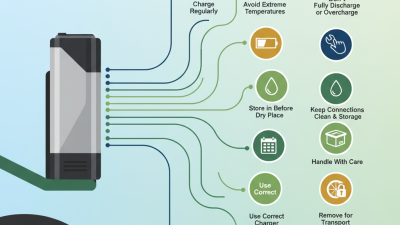
Maintenance Tips for Extending the Life of Waterproof Batteries
Waterproof batteries are essential for outdoor activities. Proper maintenance is crucial to extend their lifespan. A study by the Battery Research Institute shows that regular checks can enhance performance by up to 30%. This is vital when relying on batteries for camping or fishing trips.
Cleaning terminals is often overlooked. Dirt can cause poor connections and diminish efficiency. Use a mixture of baking soda and water to clean terminals. Doing this regularly can prevent corrosion. Additionally, avoid extreme temperatures. High heat can degrade a battery’s lifespan by 20% over time. Store batteries in a cool, dry place whenever possible.
Regularly test battery voltage using a multimeter. This simple step can identify potential issues early. A voltage drop may indicate the need for replacement. Replace batteries every one to two years, even if they seem functional. Planning ahead can ensure dependable energy for your outdoor adventures. Balancing usage and maintenance will ultimately lead to longer-lasting performance.