Why Choose 18650 Lithium Battery for Your Next Project?
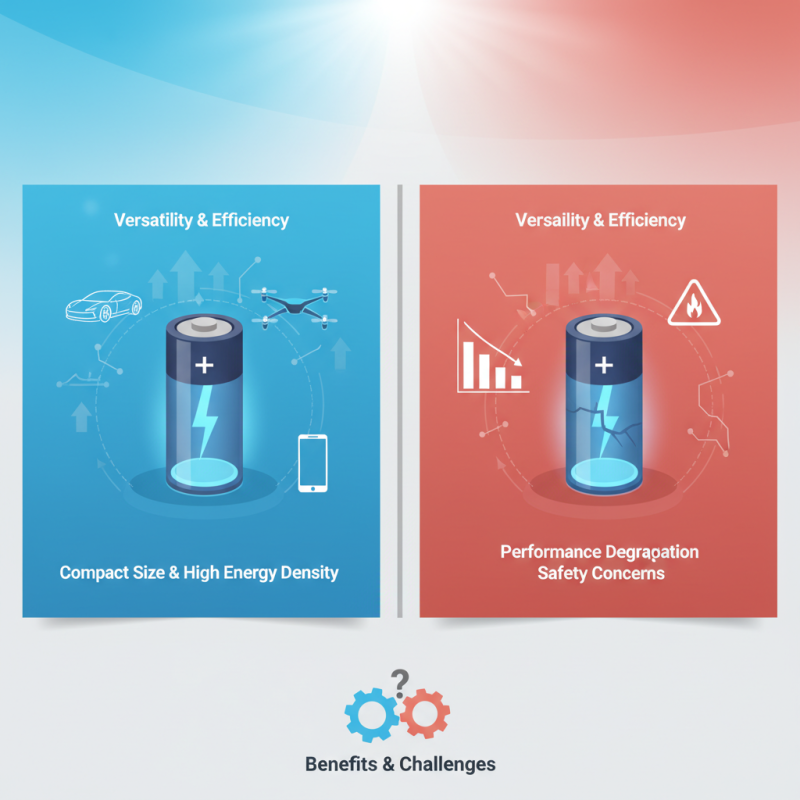
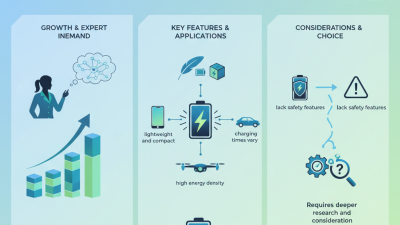
When selecting a battery for your next project, the 18650 Lithium Battery stands out. Known for its versatility and efficiency, this battery is widely used in various applications. From electric vehicles to portable electronics, its compact size and high energy density are appealing traits.
However, it's essential to reflect on some shortcomings. While the 18650 Lithium Battery offers significant advantages, it also has limitations. Over time, performance can degrade, and safety issues may arise if not handled properly. Understanding these drawbacks is crucial in making an informed choice.
Ultimately, the 18650 Lithium Battery remains a solid option. Consider its benefits and challenges before diving into your project. Its potential could make a substantial impact, but it's vital to proceed with caution.
Introduction to 18650 Lithium Batteries and Their Composition
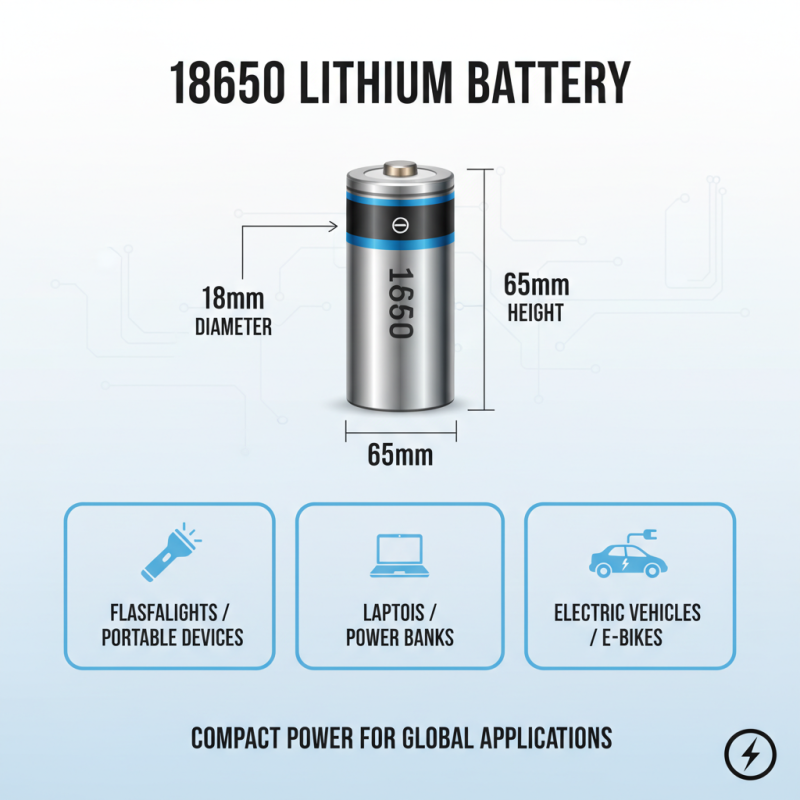
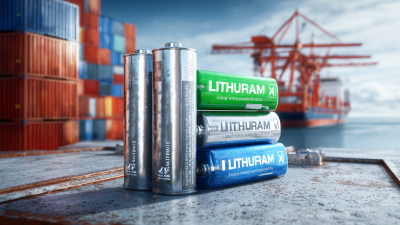
18650 lithium batteries are widely used for various applications. They are cylindrical cells, typically 18mm in diameter and 65mm in height. This compact size makes them suitable for portable devices. Many electronic products, from flashlights to electric vehicles, utilize these batteries. Their shape allows easy placement in tight spaces.
The composition of an 18650 lithium battery includes a positive electrode, a negative electrode, and an electrolyte. The positive electrode is usually made of lithium cobalt oxide or lithium iron phosphate. The negative electrode generally consists of graphite. The electrolyte is often a lithium salt in an organic solvent. This combination offers high energy density and long cycle life.
However, not all 18650 batteries are created equal. Variations in quality exist, leading to potential safety issues. Some cheaper models may not perform well under high demands. Users must research and select appropriate batteries for their projects. Ultimately, while they provide excellent performance, understanding their composition is key to ensuring safety and efficiency.
Advantages of 18650 Lithium Batteries Over Other Battery Types
When considering battery options, 18650 lithium batteries stand out for several reasons. They have a high energy density, which means they store more energy in a compact size. This characteristic is vital for portable devices. Additionally, they possess a longer lifespan than many other battery types. Users often appreciate that they can handle hundreds of charge cycles without significant degradation.
Another interesting aspect is their versatility. These batteries are used in various applications, from laptops to electric bikes. They offer a consistent power output, ensuring devices perform reliably. However, it is crucial to recognize that they can require specific safety precautions. Overcharging can lead to risks, necessitating good management systems.
While 18650 batteries have clear advantages, they are not flawless. Users must weigh their pros and cons. Proper disposal and recycling methods for lithium batteries pose challenges. Finding a reliable source for quality cells is sometimes tricky too. It’s essential to do thorough research before choosing them for your next project.
Common Applications and Use Cases for 18650 Lithium Batteries
18650 lithium batteries have gained significant popularity in various applications due to their efficiency and reliability. These batteries deliver a nominal voltage of 3.7V and a capacity often ranging from 1500mAh to over 3500mAh. This makes them suitable for powering devices from flashlights to electric vehicles. A recent report showed that the global lithium-ion battery market is expected to reach $151.84 billion by 2025, driven largely by applications in consumer electronics and electric transportation.
In the consumer electronics sector, 18650 batteries are commonly found in laptops, power banks, and electric scooters. Their energy density allows longer operation times, which is essential for mobile devices. According to industry data, portable electronics account for approximately 40% of lithium-ion battery usage. Furthermore, the electric vehicle market is rapidly expanding, with many manufacturers recognizing the advantages of using 18650 batteries for their high energy capacity. However, dependency on these batteries raises concerns about sourcing raw materials sustainably.
Despite their advantages, there are challenges to consider. Safety is a significant concern, as lithium batteries can experience thermal runaway if not managed properly. Some have reported issues with battery life and performance degradation over time. Improvements in battery management systems (BMS) are required to address these challenges effectively. While the versatility of 18650 lithium batteries is undeniable, ongoing discussions about their environmental impact and lifecycle remain crucial.
Factors to Consider When Choosing 18650 Lithium Batteries for Projects
When selecting 18650 lithium batteries for your project, several key factors come into play. First, consider the battery's capacity. Higher capacity means longer run times, which is crucial for many applications. A 2500 mAh battery lasts longer than a 1500 mAh one, but it takes longer to charge. Balancing capacity with size is a common dilemma. If space is limited, a smaller capacity may be necessary.
Next, evaluate discharge rates. Different projects require different rates. For instance, a high-drain device needs a battery that can deliver power quickly. This is not always the case for low-drain devices, where slower discharge is acceptable. Misjudging the discharge rate can lead to failures, making this an essential consideration.
Compatibility with your project is another important aspect. 18650 batteries come in various chemistries, including Li-ion and LiPo. Each chemistry has unique characteristics. Some might not perform well in cold environments, while others degrade faster. Assessing these nuances can be tricky, and may require research and experimentation. Reflecting on these details can save future headaches.
Why Choose 18650 Lithium Battery for Your Next Project? - Factors to Consider When Choosing 18650 Lithium Batteries for Projects
| Feature |
Description |
Considerations |
| Capacity (mAh) |
The amount of energy the battery can store. |
Choose a capacity that matches the energy requirement of your project. |
| Voltage (V) |
Typical voltage for 18650 lithium batteries is 3.7V. |
Ensure compatibility with your device’s voltage specifications. |
| Discharge Rate (C) |
Rate at which the battery can discharge its energy. |
Higher discharge rates are needed for high-power applications. |
| Cycle Life |
Number of complete charge/discharge cycles before capacity falls below 80%. |
Longer cycle life means lower replacement costs over time. |
| Temperature Range |
Operational temperature ranges for optimal performance. |
Consider the environment where the battery will be used. |
| Size and Weight |
Physical dimensions and weight of the battery. |
Ensure it fits within the design constraints of your project. |
| Safety Features |
Built-in protection against overcharge, overheating, etc. |
Prioritize batteries with robust safety features for device reliability. |
Best Practices for Charging and Maintaining 18650 Lithium Batteries
When using 18650 lithium batteries, proper charging is crucial. Always use a dedicated charger made for these batteries. A cheap or generic charger may not provide the correct voltage, risking damage. Overcharging is a common mistake that can lead to battery failure. Monitor the charging time; it typically takes about 2-4 hours to fully charge.
Maintenance plays an equally important role. Store batteries in a cool, dry place to prevent overheating. Ideal storage temperature ranges from 15°C to 25°C. Keeping them in extreme heat or cold can reduce their lifespan. Regularly check for signs of wear, such as bulging or leaks. If you notice these issues, it’s best to dispose of the battery properly.
Using 18650 lithium batteries requires a careful approach. Even a small mistake can lead to poor performance. Ensuring safe handling is essential. With the right practices, you can enhance the battery's efficiency and longevity.
Charging and Discharging Cycles of 18650 Lithium Batteries
This chart illustrates the capacity retention of 18650 lithium batteries over five charge/discharge cycles. The data shows that while the batteries maintain a good capacity percentage initially, there is a gradual decline with each cycle, underlining the importance of proper charging and maintenance.