How to Choose the Best 48v Lithium Battery for Electric Bike?
Choosing the right battery is crucial for electric bike performance. The 48v lithium battery for electric bikes is popular due to its efficiency. Reports show that this battery type increases the range by up to 30%. Many riders seek models that balance weight and capacity.
The right battery influences speed and durability. A well-chosen 48v lithium battery can enhance acceleration and hill-climbing ability. Yet, it’s easy to overlook quality indicators. Purchasers often focus on price without considering cycle life or cell quality. Not all brands meet the same standards, which can lead to dissatisfaction.
Riders also need clarity on compatibility. Not all electric bikes support 48v systems. Some models may require modifications. Consumers should research specific requirements. Overall, understanding specifications and choosing wisely can profoundly affect the riding experience. Make informed choices when selecting your 48v lithium battery for electric bike.
Understanding the Basics of 48v Lithium Batteries for Electric Bikes
When selecting a 48v lithium battery for your electric bike, understanding the essentials is critical. Lithium batteries are preferred due to their lightweight and high energy density. According to industry reports, a typical 48v lithium battery offers around 500 to 750 cycles. These cycles translate to longer usage and less frequent replacements.
It's vital to consider capacity. Most batteries range from 10Ah to 20Ah. Higher capacity means longer range, but it also adds weight. This balance is essential for an optimum biking experience. Pay attention to the battery's construction quality. Poorly constructed batteries can lead to safety issues and shorter lifespans.
Tip: Look for batteries that come with protective features such as short circuit protection and thermal shutdown.
Charging time is another factor. A fully depleted 48v battery can take anywhere from 4 to 8 hours to charge. You might experience inconveniences if you're often on the go. Always check for warranty and customer reviews before making a decision.
Tip: Invest in a battery with at least a two-year warranty for peace of mind.
Finding the right fit is often convoluted. Consider your specific usage, as well as weight and volume constraints. It's challenging to perfect this balance, but understanding these elements can lead to better choices.
Key Factors to Consider When Choosing a 48v Lithium Battery
When selecting a 48v lithium battery for your electric bike, several key factors come into play. Capacity is paramount. It usually ranges from 10Ah to 30Ah. Higher capacity means longer rides but adds weight. You need to balance performance and ease of handling.
Another factor is discharge rate. This reflects how quickly the battery can deliver power during rides. Look for batteries with a higher C-rating for better performance. Cost is also a consideration. Quality batteries may cost more upfront but can save you money in the long run. Sometimes, cheaper options may underperform or wear out quickly.
Make sure to check the battery's lifespan. Most lithium batteries last between 500 and 1,000 cycles. Neglected maintenance can reduce this significantly. Compatibility with your bike is crucial too. Not all batteries fit all models. Some users report unexpected issues when pairing mismatched components. Research is essential to avoid these costly mistakes.
Evaluating Battery Capacity and Range for Your E-Bike Needs
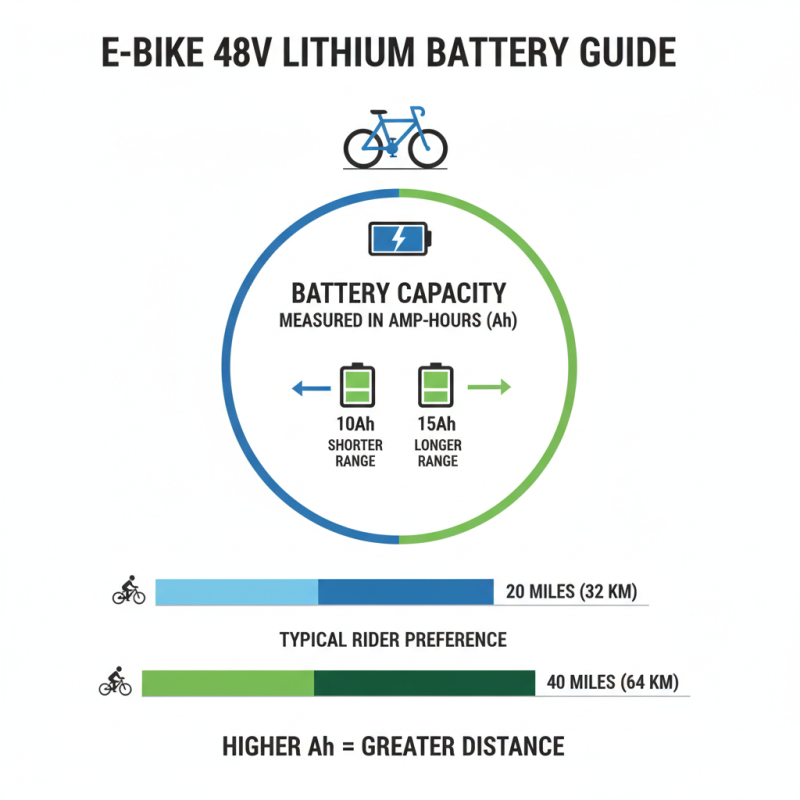
When choosing a 48v lithium battery for your electric bike, evaluating battery capacity is crucial. The capacity is usually measured in amp-hours (Ah). For instance, a 15Ah battery can run longer than a 10Ah battery under similar conditions. According to an industry report, e-bike ranges can vary significantly. A battery with a higher capacity allows you to ride further. Many riders prefer a minimum range of 20-40 miles, depending on their usage.
Consider the type of biking you will do. Commuters might need more range for longer trips. In contrast, casual riders may settle for less. However, it's essential to match your battery choice with your riding style. If you plan to ride steep hills, you might think twice. Power demands will increase, draining the battery faster. This is a common oversight among new e-bike users.
Additionally, monitor the weight of the battery. Heavier batteries can affect bike handling. A battery that weighs too much can make your ride cumbersome. Research indicates that a balanced weight distribution enhances performance. Pay attention to these factors. They can significantly impact your overall e-biking experience.
Assessing Battery Weight and Size for Optimal Performance
When selecting a 48v lithium battery for electric bikes, battery weight and size are crucial factors. Lightweight batteries enhance performance. Heavy batteries can slow down riding. According to the Electric Bike Project, a typical 48v lithium battery weighs between 4 to 7 kg. This weight can significantly impact the bike's handling.
Battery size also matters. A smaller battery can fit in tight spaces. However, it might not store enough energy for long rides. Industry reports indicate that the ideal battery capacity ranges from 10Ah to 30Ah for average commutes. But as capacity increases, so does weight. Finding the right balance is essential.
Many riders overlook these factors. They often prioritize cost over performance. They might choose larger, heavier batteries without considering how it affects their ride. This can lead to inefficient energy use and decreased satisfaction. A battery that fits well with the bike's design enhances overall user experience.
Examining Safety Features and Warranty Options in Battery Selection
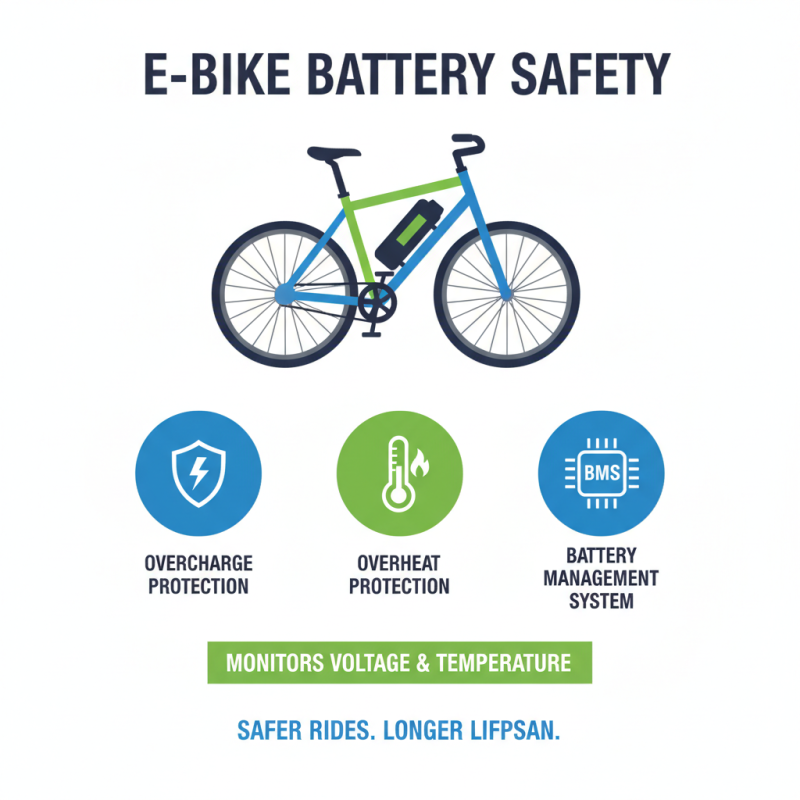
When selecting a 48v lithium battery for your electric bike, safety features should be a priority. Look for batteries with built-in protections against overcharging and overheating. These features help prevent potential hazards and extend the battery's lifespan. Many models come equipped with battery management systems (BMS) that monitor voltage and temperature. This ensures the battery operates within a safe range, providing peace of mind during your rides.
Warranty options can also reflect a battery's quality. A longer warranty often indicates the manufacturer’s confidence in their product. It’s common to see warranties ranging from one to three years. However, reading the fine print is crucial. Some warranties may only cover specific issues. Sometimes, you might find exclusions that could leave you unprotected. This area requires careful consideration. A battery is an investment, and it’s essential to ensure it offers reliable service and support.
Don’t forget to check for certifications. Compliance with safety standards can reveal a lot about the battery's reliability. Some batteries may lack these important certifications. Without them, you may face increased risks. It's wise to ask questions and seek clarity on warranty details and safety features. The right battery enhances your biking experience, but it’s essential to choose wisely.