Why Choose Lithium Batteries For Electric Bikes For Best Performance?
The rise of electric bikes has transformed urban mobility, driven by advancements in battery technology. Among these, Lithium Batteries For Electric Bikes stand out for their superior performance. Reports indicate that lithium batteries can offer up to 50% more energy density compared to traditional lead-acid batteries. This translates to longer rides and faster charging times.
The benefits of lithium batteries are not just theoretical. Research shows that these batteries can last over 1,500 charge cycles, ensuring reliability for regular users. However, there are issues to consider. Despite their advantages, lithium batteries can pose challenges, such as higher initial costs and the need for proper disposal. Users must weigh these aspects against the long-term benefits.
Additionally, safety is a critical factor. Incidents of overheating and battery failure can occur if not managed properly. This reality underscores the importance of purchasing quality lithium batteries. Investing in reputable brands can mitigate risk and enhance performance. Therefore, understanding how Lithium Batteries For Electric Bikes contribute to efficiency and safety is essential for every cyclist.
Advantages of Lithium Batteries Over Traditional Options
Lithium batteries stand out in the electric bike market for several reasons. Their high energy density allows for lighter bikes, enhancing maneuverability and performance. Riders can cover greater distances with less weight, making long rides more enjoyable. These batteries also charge faster than traditional options, providing convenience for busy users. A quick recharge means less time waiting and more time riding.
Longevity is another advantage. Lithium batteries often last longer than older models, reducing the frequency of replacements. This not only saves money but also minimizes environmental impact. However, the initial cost can be a barrier for some. It's important to consider both the upfront price and long-term savings. Not all users may quickly recognize this benefit, leading to regrettable choices.
Thermal stability gives lithium batteries an edge, reducing the risk of overheating. Nonetheless, users must be aware of proper charging practices. Poor maintenance can lead to performance issues and safety hazards. Ultimately, understanding the benefits and potential pitfalls is key to making the best choice for electric bikes. Knowledge empowers riders, helping them select the right battery type for their needs.
Why Choose Lithium Batteries For Electric Bikes For Best Performance? - Advantages of Lithium Batteries Over Traditional Options
| Feature |
Lithium Batteries |
Traditional Batteries |
| Weight |
Lightweight |
Heavier |
| Energy Density |
High |
Lower |
| Charge Cycle Life |
Up to 2000 cycles |
500-1000 cycles |
| Charging Time |
Fast (2-4 hours) |
Slow (8-12 hours) |
| Temperature Tolerance |
Wider range |
Narrow range |
| Self-Discharge Rate |
Low |
High |
| Environmental Impact |
Recyclable |
Less recyclable |
Factors Contributing to Lithium Battery Performance in E-Bikes
Lithium batteries have become the standard for electric bikes due to their impressive performance attributes. One crucial factor is their
energy density. This means a smaller and lighter battery can store a lot of power.
Riders enjoy longer trips without the need for frequent recharging. However, if you do not manage the battery properly, it can lead to reduced lifespan.
Temperature also plays a significant role in battery performance. Lithium batteries excel in moderate conditions. Extreme heat or cold can
impair their functionality. For instance, riding in freezing weather may decrease the battery’s range significantly.
Tip: To maintain optimal battery health,
store it in a cool location when not in use.
Another aspect to consider is the charging cycle. Lithium batteries can handle numerous charge cycles but require specific care. Fully discharging
the battery consistently can lead to a decrease in performance.
Tip: Aim to recharge your battery when it reaches about
20% capacity.
Ultimately, the choice of lithium batteries enhances the efficiency of e-bikes. Their exceptional performance, when combined with responsible usage, allows for
enjoyable rides and decreases maintenance concerns. You must remain mindful of the potential challenges that come with battery handling.
Keeping an eye on these details will ensure you get the most out of your electric bike experience.
Impact of Weight and Design on E-Bike Efficiency
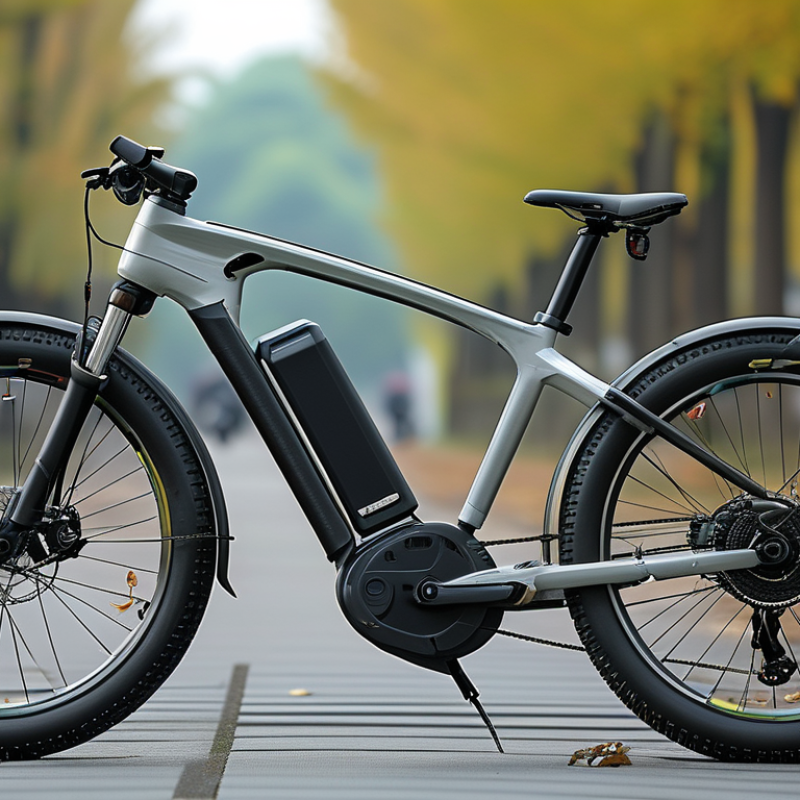
Electric bikes (e-bikes) greatly benefit from lithium batteries, especially in terms of weight and design. The efficiency of an e-bike hinges on how these elements interact. A lightweight battery enhances performance. Riders can go further with less effort. However, lightweight components sometimes sacrifice power. Striking a balance is crucial.
Design plays a pivotal role in e-bike efficiency. A well-structured frame can optimize battery placement. This maximizes energy distribution. However, not all designs are created equal. Some bikes struggle with stability due to poor weight distribution. Riders must be mindful of the relationship between design and handling.
Riders also face a dilemma regarding battery capacity and overall weight. A larger battery offers extended mileage. Yet, the added weight can affect maneuverability. Some may prioritize range at the expense of handling. Reflecting on personal preferences and riding style can guide this choice. Balancing performance, comfort, and safety is key to selecting the ideal e-bike setup.
Longevity and Maintenance of Lithium Batteries for E-Bikes
Lithium batteries have been revolutionizing the electric bike market due to their exceptional longevity and low maintenance needs. Studies show that these batteries can last up to 2,000 charge cycles, significantly outperforming traditional lead-acid batteries, which typically offer only 300 to 500 cycles. This longevity translates to fewer replacements over time, making e-bikes more cost-effective in the long run.
Maintenance of lithium batteries is also straightforward. Unlike lead-acid options, they don't require regular topping up. A simple check of the charge level and occasional cleaning of terminals is usually all that's needed. Additionally, lithium batteries are less prone to sulfation, a common issue with lead-acid batteries, which can lead to premature failure. However, it's important to note that extreme temperatures can affect performance, highlighting the need for careful storage and usage practices.
Despite their advantages, there are some reflections on lithium battery technology. Not all lithium batteries are created equal. Quality varies, which can impact the overall lifespan and efficiency. Furthermore, proper charging practices are crucial; overcharging can reduce lifespan significantly. Users should also be aware of recycling challenges once batteries reach the end of their life, as improper disposal can have environmental impacts.
Environmental Considerations in Choosing Lithium Batteries
Environmental considerations play a crucial role in selecting lithium batteries for electric bikes. As the world shifts toward sustainable energy, lithium batteries emerge as a more environmentally friendly option. According to a report by the International Energy Agency, electric bikes powered by lithium batteries produce 40% less greenhouse gas emissions compared to traditional lead-acid batteries over their lifecycle. This significant reduction demonstrates the benefits of lithium on both performance and the planet.
However, the production and disposal of lithium batteries present challenges. Extracting lithium can lead to water shortages in mining regions, impacting local ecosystems. A study by the United Nations emphasizes the importance of responsible sourcing to mitigate these environmental impacts. Additionally, the recycling process for lithium batteries is still evolving, raising concerns about resource efficiency and waste management. While lithium batteries offer advantages, addressing these environmental factors is essential for a truly sustainable solution.
Electric bike enthusiasts should balance performance with ecological responsibility. The benefits of lithium batteries are clear, but potential environmental ramifications must not be overlooked. Striving for transparency in sourcing and advocating for better recycling methods can enhance the overall sustainability of electric bikes in the long run.