How to Choose the Right Lithium Battery Pack for Your Needs?
When it comes to powering a variety of devices and applications, choosing the right Lithium Battery Pack is crucial to ensure optimal performance and longevity. With the growing demand for portable energy solutions, understanding the key factors that influence the selection process can make all the difference in achieving your energy goals. Whether you are looking for a battery pack for consumer electronics, renewable energy systems, or electric vehicles, the available options and specifications can be overwhelming.
In this guide, we will explore the essential considerations that should guide your decision-making process when purchasing a Lithium Battery Pack. Factors such as capacity, voltage, size, and weight, as well as safety features and durability, play a significant role in determining the best fit for your specific needs. By equipping yourself with the necessary knowledge, you will be better positioned to choose a battery pack that not only meets your energy requirements but also aligns with your overall goals for efficiency and sustainability. Whether you are a casual user or a technical expert, understanding these principles will empower you to make an informed choice.

Understanding Lithium Battery Chemistry and Technology
Lithium battery technology has revolutionized energy storage solutions due to its efficiency, durability, and lightweight properties. Understanding the chemistry behind these batteries is crucial for selecting the right pack for specific applications.
Lithium-ion batteries, for instance, utilize lithium ions to transfer charge between the anode and cathode during discharge and charging cycles. This movement of ions allows for quick energy release and recharge capabilities, making them ideal for devices that require high energy density and longevity.
Different lithium battery chemistries offer varying benefits depending on the intended use.
Lithium Iron Phosphate (LiFePO4) batteries are known for their thermal stability and longer cycle life, suitable for applications that demand safety and longevity.
In contrast, Lithium Cobalt Oxide (LiCoO2) batteries typically provide higher energy density, making them preferable for compact electronic devices such as smartphones and laptops.
A clear understanding of these chemical properties helps users choose the right lithium battery pack by aligning performance characteristics with their specific power requirements and operating conditions.
Key Specifications to Consider When Selecting a Lithium Battery Pack
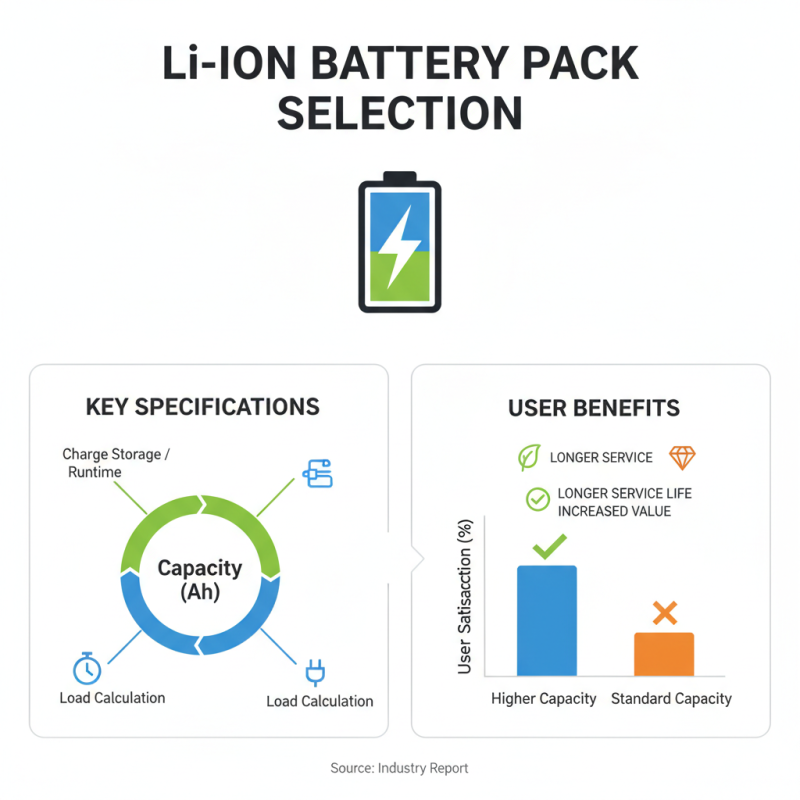
When selecting a lithium battery pack, understanding key specifications is crucial to ensure compatibility and performance for your specific application. One of the primary specifications to consider is the battery's capacity, usually measured in ampere-hours (Ah). This indicates how much charge the battery can store and provide. For example, a battery with a capacity of 100Ah can theoretically power a 10A device for 10 hours, making it essential to calculate your required runtime and load to select an appropriate capacity. According to a recent industry report, battery capacity is one of the top factors influencing user satisfaction, with a higher capacity often correlating to longer service life and increased value.
Another essential specification is the battery's voltage rating, which should match the voltage requirements of your application. Most lithium battery packs operate at standard voltages such as 12V, 24V, or 48V. Using a battery pack with the incorrect voltage can lead to inefficient performance or potential damage to your devices. Additionally, it’s important to examine the discharge rate, measured in C-ratings, which indicates how quickly the battery can release its energy. For example, a battery rated at 1C can safely discharge its entire capacity in one hour. Industry projections suggest that as applications for electric vehicles and renewable energy storage grow, understanding these specifications will become increasingly vital for consumers looking to maximize efficiency and performance.
Applications of Lithium Battery Packs in Various Industries
Lithium battery packs have become increasingly prevalent across various industries due to their efficiency, lightweight nature, and superior energy density. In the automotive sector, for example, the global electric vehicle (EV) market is projected to grow at a compound annual growth rate (CAGR) of 22.6% from 2021 to 2028, with lithium batteries playing a crucial role in powering these vehicles. As automotive manufacturers strive for longer ranges and quicker charging times, the demand for high-performance lithium battery packs continues to surge, significantly impacting production and innovation in this field.
Beyond automotive applications, lithium battery packs are widely utilized in renewable energy storage systems, especially in solar power installations. According to a recent report by the International Energy Agency (IEA), the deployment of lithium-ion batteries in renewable systems is expected to reach over 200 gigawatt-hours by 2040, enabling better energy capture and stability. This technology allows industries to store excess energy generated during peak production times and distribute it when energy demands are high, thereby enhancing efficiency and promoting sustainable practices.
Additionally, the consumer electronics sector remains a significant user of lithium battery packs, fueling the demand for portable devices such as smartphones and laptops. As reported by Statista, the global lithium-ion battery market for consumer electronics is anticipated to expand significantly, driven by consumers' increasing reliance on mobile technology. This demand has pushed manufacturers to innovate and produce lighter, more efficient battery packs that can support the rapid advancements in technology while meeting consumer expectations for longer battery life and faster charging capabilities.
How to Choose the Right Lithium Battery Pack for Your Needs? - Applications of Lithium Battery Packs in Various Industries
| Industry |
Application |
Typical Voltage (V) |
Capacity (Ah) |
Battery Type |
Advantages |
| Consumer Electronics |
Smartphones and Tablets |
3.7 |
2-4 |
Li-ion |
High energy density, lightweight |
| Electric Vehicles |
Electric Cars |
350-400 |
50-100 |
LiFePO4 |
Long cycle life, safety |
| Renewable Energy |
Solar Energy Storage |
48 |
100-300 |
Li-ion |
High efficiency, scalable |
| Healthcare |
Medical Devices |
3.7 |
1-3 |
Li-Po |
Compact, reliable |
| Telecommunications |
Backup Systems |
12 |
30-100 |
LiFePO4 |
Stable performance, long life |
Evaluating Performance Metrics: Capacity, Voltage, and Cycle Life
When selecting a lithium battery pack, understanding performance metrics such as capacity, voltage, and cycle life is crucial for ensuring effective use in various applications. Capacity, measured in ampere-hours (Ah), indicates the amount of energy the battery can store. For instance, a lithium battery with a capacity of 100 Ah can theoretically supply 100 amps for one hour. Industry reports suggest that the average energy density for lithium-ion batteries is approximately 150-250 Wh/kg, allowing for lightweight and compact designs, making these batteries highly suitable for portable devices and electric vehicles alike.
Voltage is another pivotal factor; it determines how much power the battery can provide to the application. Most lithium battery packs operate between 3.2 to 3.7 volts per cell, with configurations typically comprising multiple cells in series to achieve higher voltage outputs. Understanding the required voltage for your application ensures that the battery can effectively drive the necessary components. A study published in the Journal of Power Sources emphasizes that mismatched voltage levels can lead to decreased performance and potential damage to connected devices.
Cycle life, which refers to the number of charge and discharge cycles a battery can undergo before its capacity falls below 80% of its original value, often ranges from 500 to over 2000 cycles for lithium-ion batteries, depending on the chemistry and usage patterns. This metric is particularly significant for applications requiring long-term reliability, like electric vehicles or renewable energy storage systems. According to a report by the International Energy Agency, extending the cycle life of battery systems can significantly reduce costs in energy storage applications, thus emphasizing the importance of selecting batteries that balance life expectancy with other performance metrics. Evaluating these parameters will help you make informed decisions tailored to your specific energy needs.
Evaluating Lithium Battery Performance Metrics
Cost Analysis: Budgeting for Your Lithium Battery Solutions
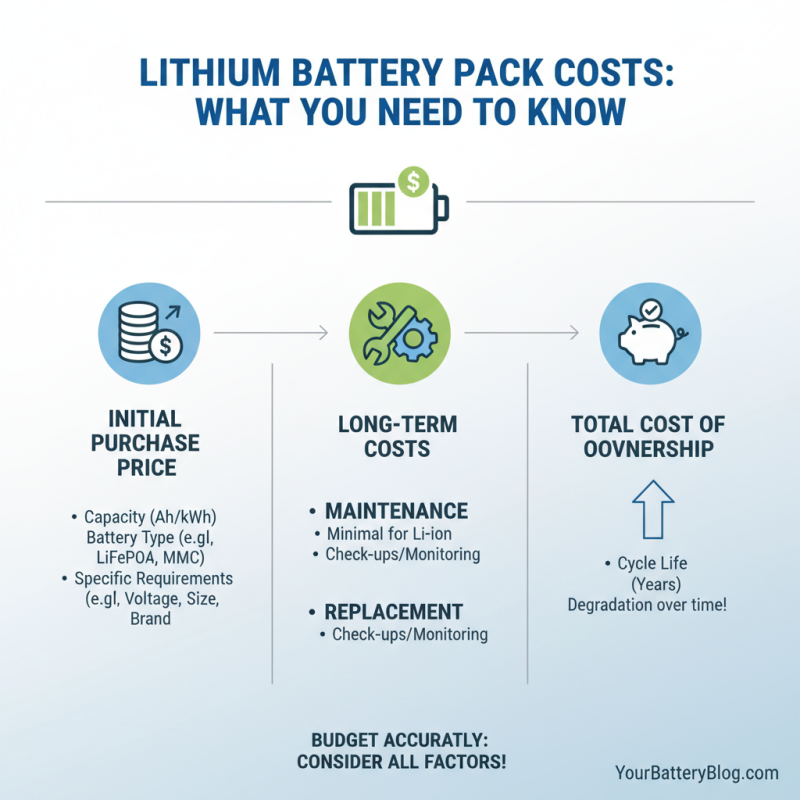
When selecting the right lithium battery pack for your needs, understanding the costs involved is crucial. Lithium batteries can vary significantly in price based on capacity, type, and specific requirements. To accurately budget for your lithium battery solutions, consider not only the initial purchase price but also potential long-term costs such as maintenance and replacement.
**Tips:** Always compare the total cost of ownership over the battery's lifespan. This includes energy efficiency, projected cycle life, and warranty details, which can help you choose a solution that not only fits your budget but also provides the best performance over time.
While researching options, it’s essential to take a close look at your specific usage scenarios and needs. Consider how often and intensely you’ll use the battery, as this will influence both the upfront costs and the ongoing financial implications. Higher-capacity batteries may seem more expensive initially but can offer better value by requiring fewer replacements.
**Tips:** Don’t forget to factor in potential savings from increased efficiency and lower energy costs. An upfront investment in a high-quality lithium battery pack may yield significant savings down the road, making it a smarter financial choice in the long run.