Why Choose a 100ah Lithium Battery for Your Power Needs?
Choosing the right power source can be daunting. A 100ah Lithium Battery stands out in the market for various reasons. According to industry expert Dr. Emily Zhang, “The reliability and efficiency of a 100ah Lithium Battery redefine power solutions.”
In today’s world, energy demands are rising. Homeowners, campers, and businesses need dependable power sources. The 100ah Lithium Battery offers a compact design with impressive energy storage. Its lightweight nature makes it easy to transport and install. Yet, the initial cost may raise concerns for some buyers. Critics argue that alternatives seem more budget-friendly.
However, the long-term value of a 100ah Lithium Battery is undeniable. With longer lifespans and faster charging capabilities, it often proves more cost-effective. Users frequently note fewer maintenance issues compared to traditional batteries. While the technology is advancing, it’s essential to continue evaluating options. Battery performance can vary based on specific needs and conditions. Exploring all aspects will lead to more informed decisions.
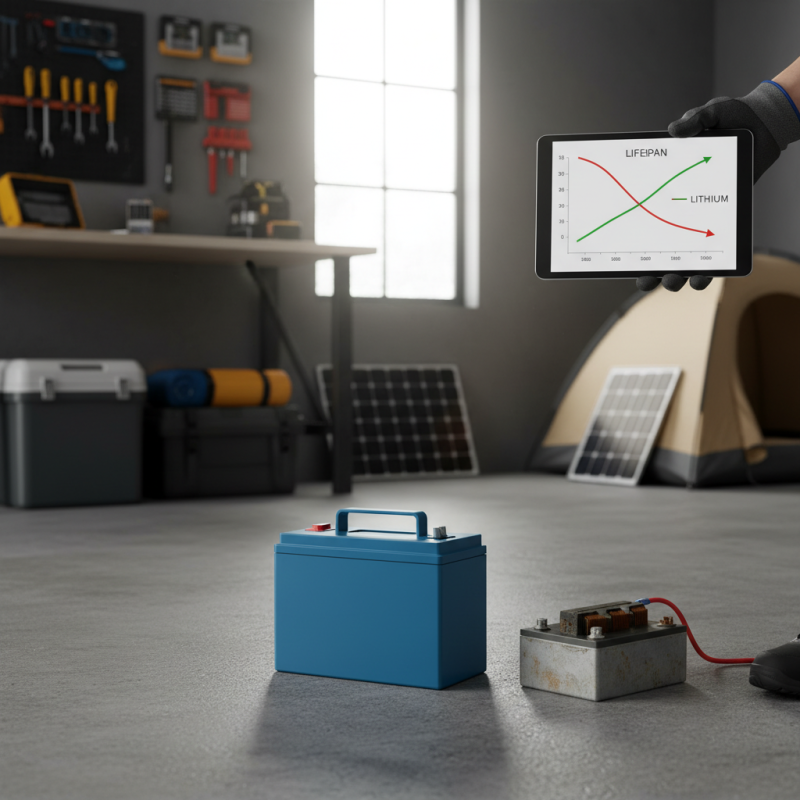
Benefits of Using a 100ah Lithium Battery for Energy Storage
A 100ah lithium battery offers significant advantages for energy storage. One major benefit is its efficiency. Lithium batteries can achieve over 95% round-trip efficiency. This means less energy loss when charging and discharging. Compared to lead-acid batteries, which only reach 80%, lithium is much more effective. This efficiency translates into savings, particularly for renewable energy systems.
Longevity is another key aspect. A 100ah lithium battery can last over 3,000 cycles. This is approximately three to five times longer than traditional batteries. This attribute makes lithium batteries a cost-effective solution in the long run. Additionally, they are lighter and more compact, which simplifies installation and improved mobility.
Despite these benefits, lithium batteries come with challenges. They require a suitable battery management system. Without it, you risk overcharging or overheating. This can diminish their lifespan. Care is essential. Users must monitor and maintain the battery properly. Adoption of lithium technology in various sectors is rising. Yet, understanding these nuances is vital for effective usage.
Comparison of Lithium Batteries vs. Traditional Lead-Acid Batteries
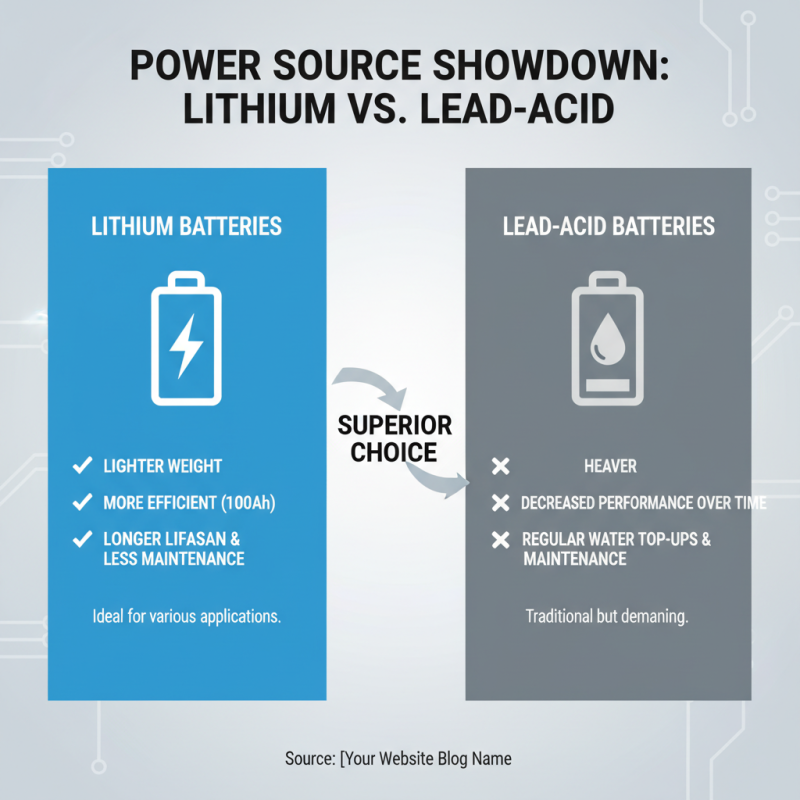
When it comes to choosing a power source, lithium batteries offer remarkable advantages over traditional lead-acid options. A 100Ah lithium battery is lighter and more efficient, providing a reliable energy solution for various applications. For instance, a lithium battery can last longer and requires fewer maintenance checks. In contrast, lead-acid batteries often struggle with performance over time and may need regular water top-ups.
Moreover, the charging time of lithium batteries is significantly shorter. They can be charged in a few hours, while lead-acid batteries may take up to 12 hours to achieve a full charge. This can be crucial for users who depend on immediate access to energy. However, lithium batteries can be more expensive upfront, which makes some hesitant. They are an investment, but their longevity can offset this cost.
One must consider weight as well. A 100Ah lithium battery weighs much less than its lead-acid counterpart. This portability can be a game-changer for mobile setups. On the downside, lithium batteries require specific chargers. Users must adapt to this, which can be a hassle. Ultimately, the choice between lithium and lead-acid hinges on personal needs and willingness to adapt.
Applications: Where a 100ah Lithium Battery Excels
A 100ah lithium battery offers versatility across various applications. It's ideal for recreational vehicles, boats, and solar storage systems. In RVs, these batteries deliver reliable power for appliances and lighting. They weigh less than traditional batteries, enhancing mobility. This advantage is crucial for life on the road.
In marine settings, a 100ah lithium battery contributes to smooth sailing. It provides consistent energy for navigation systems and onboard electronics. The fast charging capability means less downtime at the dock. Notably, lithium batteries can sustain higher energy demands without loss of efficiency.
Solar power systems greatly benefit from these batteries. Their ability to store energy during the day is invaluable. Homeowners can use this stored power for nighttime needs. However, users should consider installation and management complexities. Proper care is essential to maximize lifespan. Some find the initial investment daunting. Yet, the long-term benefits often outweigh these concerns.
Why Choose a 100ah Lithium Battery for Your Power Needs? - Applications: Where a 100ah Lithium Battery Excels
| Application |
Key Benefits |
Typical Usage |
Performance |
| RV Power Supply |
Lightweight, long cycle life |
Camping, long trips |
Up to 4000 cycles |
| Marine Applications |
Deep discharge capability |
Boats, yachts |
Reliable even in harsh conditions |
| Solar Storage |
Fast charging, efficient |
Off-grid homes |
Supports multiple solar panels |
| Electric Vehicles |
High energy density |
Electric bikes, scooters |
Quick acceleration and range |
| Backup Power |
Long shelf life, reliable |
Home, business |
Consistent power output |
Understanding the Lifespan and Cycle Life of 100ah Lithium Batteries
When considering power solutions, a 100ah lithium battery stands out, especially regarding lifespan and cycle life. Lithium batteries can last up to 10 years or more with proper care. This is a significant advantage over traditional lead-acid batteries, which typically last only 3 to 6 years. According to industry reports, lithium batteries maintain about 80% of their capacity even after 2,000 charge cycles. This is impressive compared to lead-acid, which may only reach a few hundred cycles before significant degradation occurs.
While the advantages are clear, users must also be aware of some limitations. For instance, lithium batteries can suffer from thermal runaway, posing safety risks if not managed correctly. Proper charging practices are vital to avoid potential issues. Moreover, they can be more expensive upfront, although the long-term savings are considerable. Regular monitoring of battery health can help maximize performance.
Tip: Ensure a well-ventilated space for your lithium battery to prevent overheating.
Also, consider a battery management system for enhanced safety and lifespan. Make sure to invest time in reading the manufacturer’s guidelines. It may save you from costly mistakes in the future. Battery maintenance should not be overlooked. Sometimes, it’s easy to forget that regular checks can prevent problems down the line.
Factors to Consider When Choosing a 100ah Lithium Battery
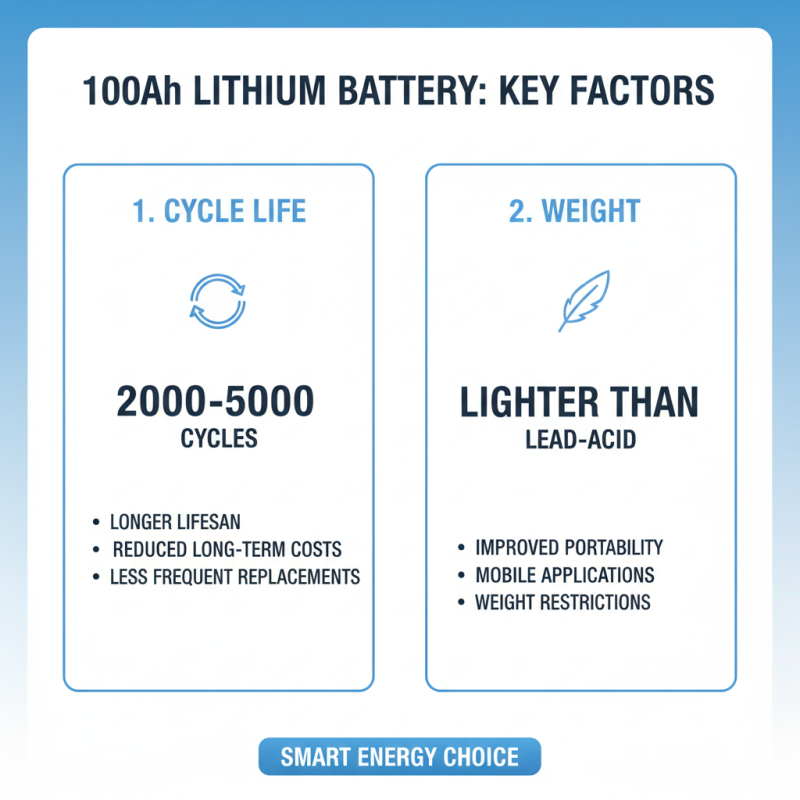
When choosing a 100ah lithium battery, several key factors come into play. One significant aspect is the battery's cycle life. Lithium batteries typically offer 2000 to 5000 cycles. This longevity can lead to reduced long-term costs and less frequent replacements. Additionally, consider the battery's weight. A 100ah lithium battery is lighter compared to traditional lead-acid options. This portability can benefit mobile applications or installations with weight restrictions.
Another important factor is charge efficiency. High-quality lithium batteries can achieve up to 95% efficiency during charging. This means less energy waste and quicker recharge times. However, not all lithium batteries are the same. Some may have poorer performance in extreme temperatures. Be cautious of this when making your decision.
**Tip:** Always check for a battery’s temperature rating. It can affect performance.
Lastly, look for warranties. A reliable warranty can indicate the manufacturer’s confidence in their product. Many lithium batteries come with warranties ranging from 3 to 10 years. However, terms may vary widely.
**Tip:** Read the fine print. Understand warranty conditions and limits.
Taking these factors into account can improve your overall satisfaction and investment in a 100ah lithium battery.