How to Choose the Best Silver Fish Battery for Your Needs?
Choosing the right Silver Fish Battery involves considering multiple factors. These batteries are essential for various devices, including drones, laptops, and more. Selecting an unsuitable battery can lead to poor performance.
When you shop for a Silver Fish Battery, think about your specific needs. Battery life, weight, and dimensions are critical. A bulkier battery might not fit your device, while a lightweight option may lack power.
Sometimes, reviews can be misleading. A battery may seem perfect but fail in real-world usage. It’s essential to read multiple sources and check user experiences. Recognizing what works best for your situation requires careful consideration. Choosing wisely ensures your devices perform at their best.
Understanding the Basics of Silver Fish Batteries and Their Uses
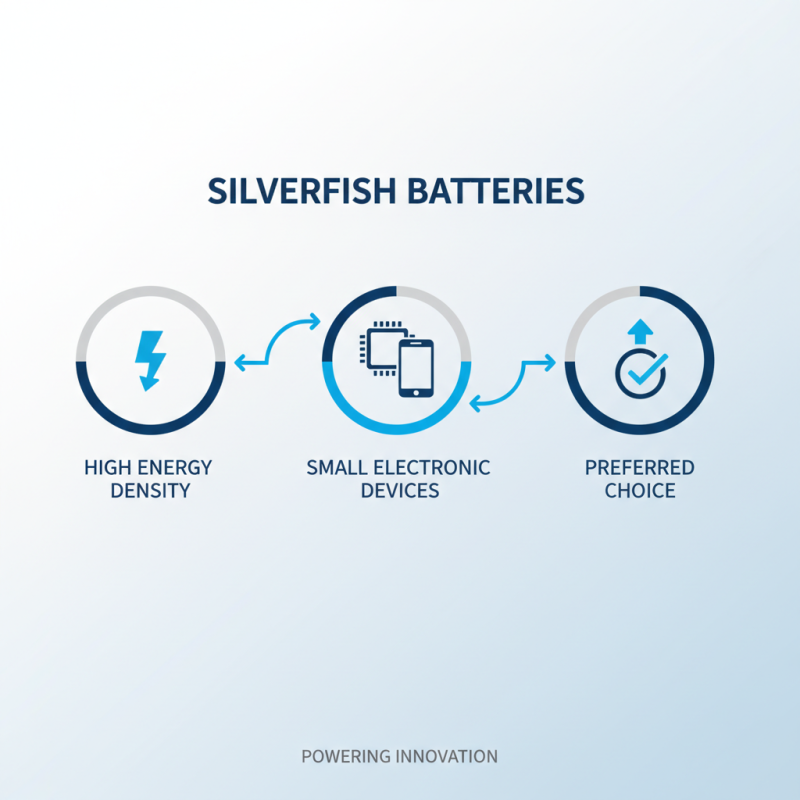
When considering silver fish batteries, it’s crucial to understand their basic functions and applications. These batteries are typically known for their high energy density. They often power small electronic devices. Due to this, they are a preferred choice for many users.
Choosing the right battery can be tricky. There are various sizes and capacities available. Ensure you check the specifications. Different devices may have specific requirements. If you pick the wrong type, your gadget might not work properly. Look for information regarding compatibility before making a choice.
Tips: Always note the voltage and capacity needed for your device. This helps prevent frustration later. Remember, not all batteries perform well in every situation. Some may drain too quickly. Be prepared to read user reviews and seek guidance. This extra effort can save you time and money.
Key Factors to Consider When Selecting Silver Fish Batteries
When choosing a silver fish battery, consider the purpose it will serve. Do you need it for marine activities, or is it for a recreational vehicle? This decision impacts the battery size and capacity. Look into the voltage and amp-hour ratings. These numbers define how long the battery will run devices before requiring a recharge.
Another important factor is weight and size. Batteries come in various forms. Heavier batteries usually have more power but can complicate transport. Ensure that the dimensions fit your available space. You might find yourself adjusting your setup before you realize the battery doesn’t fit.
Pay attention to the battery’s lifespan and warranty. Some batteries might last longer but could be more expensive. Don’t overlook maintenance requirements either. A seemingly perfect option might require too much upkeep. Take time to reflect on your specific needs. Find a balance that works for you, considering both performance and convenience.
How to Choose the Best Silver Fish Battery for Your Needs?
| Factor |
Description |
Importance Scale (1-5) |
| Capacity |
Measure of how much energy the battery can store, often measured in Ah. |
5 |
| Voltage |
The electrical potential of the battery, affecting compatibility with devices. |
4 |
| Life Cycle |
The number of charge and discharge cycles the battery can perform before capacity significantly degrades. |
5 |
| Weight |
A factor affecting portability and ease of installation in various applications. |
3 |
| Temperature Range |
The optimal operating temperatures for the battery for effective performance. |
4 |
| Charging Time |
Time required for a full charge; important for user convenience. |
3 |
| Cost |
Total price of the battery, affecting overall budget for projects. |
5 |
Comparing Different Types and Brands of Silver Fish Batteries
When selecting a silver fish battery, it's essential to compare various types and brands. Recent market analysis shows that lithium-based silver fish batteries dominate due to their high energy density and longer lifespan. Consumers often prioritize efficiency, as these batteries can offer up to 2000 cycles, making them cost-effective over time.
However, not all batteries are created equal. Some may provide less power output, impacting overall performance. For instance, a study indicated that certain nickel-based alternatives can exhibit lower energy retention, which can be frustrating for users. A significant number of users reported shorter usage times, emphasizing the need for thorough research before purchasing.
Price can vary widely, influenced by brand reputation and battery technology. A dependable battery could range from $50 to $300. Budget-friendly options might lack crucial features, leading users to rethink their choices. It’s not uncommon to find batteries that fail to meet expectations, raising doubts about long-term reliability. Balancing cost and performance is a crucial step in the selection process.
Evaluating Battery Performance and Lifespan for Your Needs
When choosing the best silver fish battery, performance and lifespan are key factors. A recent industry report shows that performance can vary significantly across different types of batteries. A battery's ability to deliver energy safely and efficiently impacts its overall effectiveness. Look for products with a capacity rating that meets or exceeds your specific needs. Most quality batteries have a cycle life between 300 to 500 cycles, but some can last longer.
Battery lifespan is often measured in years, and some studies suggest that proper maintenance can extend this. Environmental factors like temperature can also play a role. High temperatures may reduce lifespan, leading to premature failures. It's important to consider these aspects before selecting a battery.
Tips: Use a multimeter to regularly check battery voltage. This simple tool helps avoid unexpected failures. Store batteries in cool, dry places to maintain optimal conditions. Always consult data sheets for precise technical specifications of your selected battery. Small adjustments in storage can yield longer lifespans.
Tips for Proper Maintenance and Care of Silver Fish Batteries
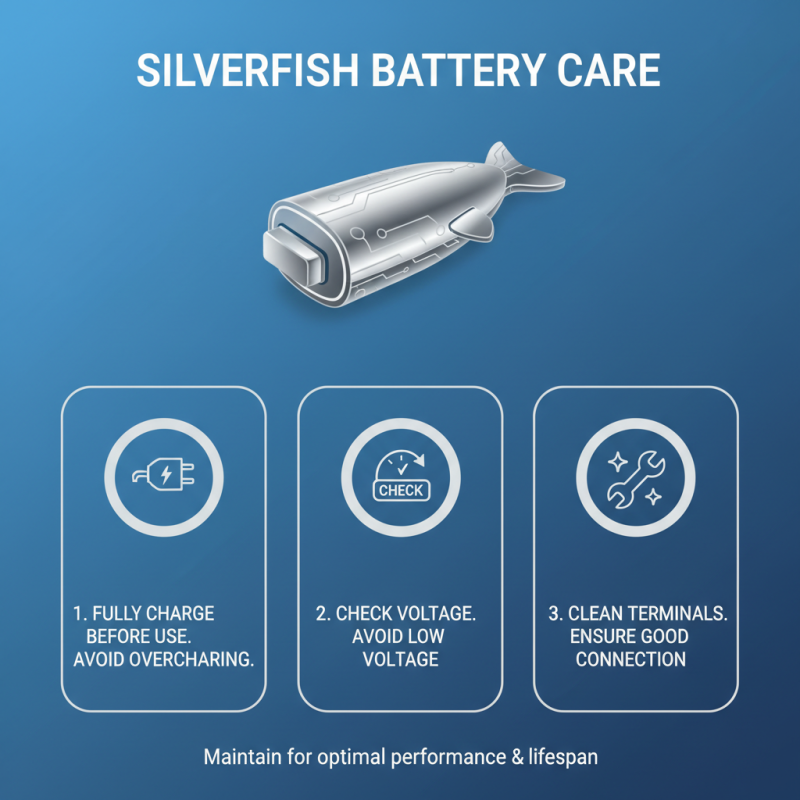
When it comes to maintaining silver fish batteries, regular care is crucial. Ideally, charge the battery fully before use. Overcharging can lead to reduced capacity. Always check the battery voltage before using it. Low voltage can damage the battery and affect its lifespan. Keep the terminals clean to ensure good connections. Dirty terminals can lead to poor performance.
Store batteries in a cool, dry place. Extreme temperatures can shorten their lifespan. It’s helpful to periodically check for signs of wear or leakage. If you notice any issues, address them immediately. Ignoring small problems can lead to bigger failures down the road.
Also, avoid deep discharging. This practice can harm the battery’s health. Ensure you use the appropriate charger for your battery type. Misusing chargers is a common mistake. Regularly review your usage habits. Reflect on what is working and what could be improved. Tracking performance can help you make necessary adjustments.