What are High and Low Temperature Lithium Batteries for 2026 Canton Fair?
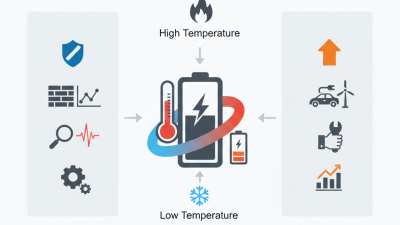
The upcoming 2026 Canton Fair will showcase innovations, including High and Low Temperature Lithium Batteries. As technology advances, these batteries become crucial for a variety of applications. They enable devices to operate efficiently in both extreme heat and cold, meeting diverse industry needs.
In recent years, energy storage has surged in importance. Manufacturers are striving to perfect their lithium battery products. However, challenges remain in balancing performance and safety. Many companies are also focusing on sustainability in battery production.
The introduction of AI tools at the Canton Fair will enhance the experience for buyers. With AI's help, attendees can find suppliers certified with specific qualifications like ISO and CE. This innovation could significantly streamline processes within the expansive exhibition space. It also emphasizes the necessity for continuous improvement in finding reliable battery solutions.

High Temperature Lithium Batteries: Characteristics and Applications
High-temperature lithium batteries are essential for various applications in extreme conditions. These batteries operate efficiently at elevated temperatures, making them suitable for industrial and automotive use. Their unique chemistry allows them to perform where standard lithium batteries fail. They can function in environments exceeding 60°C. This capability opens doors for innovation in new technologies.
Consider this: high-temperature lithium batteries often face challenges. They can degrade faster than expected in extreme conditions. This can lead to reduced lifespan and performance issues. Users must assess their needs carefully before choosing such batteries. Additionally, thermal management systems may be required to maintain optimal temperatures.
Tip: Regular monitoring is crucial for battery health. This helps detect any early signs of wear or failure. Preventive measures can save costs in the long run. Understand your operational environment well. Knowing the temperature variations throughout usage can guide better battery selections.
Always remember to examine the specifications closely. Some batteries claim high-temperature performance but may underdeliver. Testing in actual conditions is key to ensuring reliability. The future of high-temperature lithium batteries is promising, but success depends on informed choices and continuous innovation.
What are High and Low Temperature Lithium Batteries for 2026 Canton Fair?
| Battery Type |
Temperature Range (°C) |
Energy Density (Wh/kg) |
Cycle Life (Cycles) |
Typical Applications |
| High Temperature Lithium Battery |
-20 to 60 |
150 |
800 |
Electric vehicles, aerospace, industrial applications |
| Low Temperature Lithium Battery |
-40 to 0 |
100 |
500 |
Consumer electronics, remote monitoring systems |
| Ultra High Temperature Lithium Battery |
60 to 90 |
130 |
1000 |
Military applications, deep space exploration |
| Moderate Temperature Lithium Battery |
0 to 40 |
160 |
600 |
Portable devices, electric bicycles |
Low Temperature Lithium Batteries: Features and Benefits
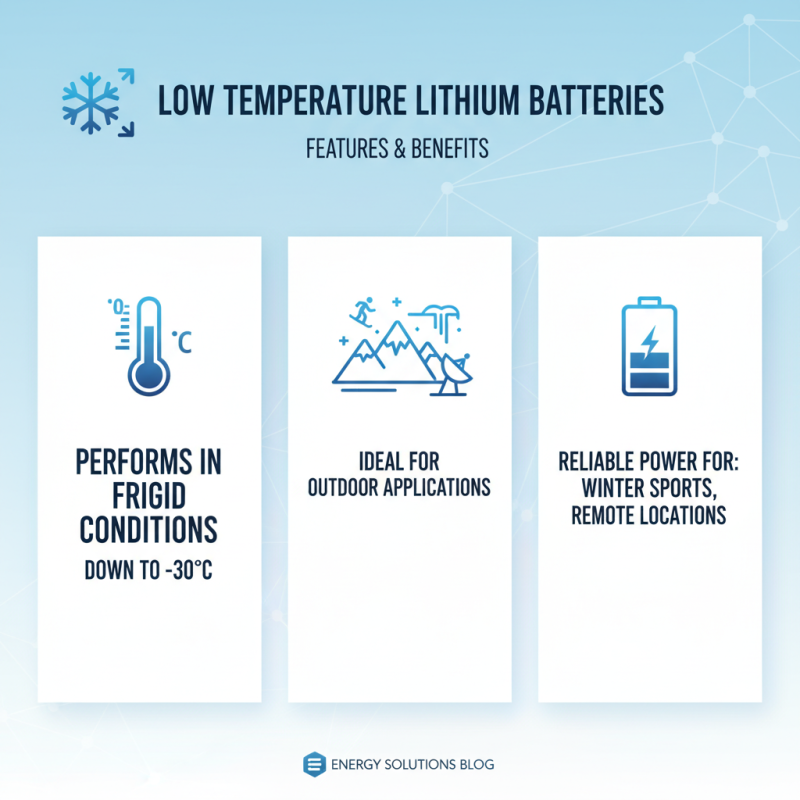
Low temperature lithium batteries are becoming increasingly important, especially for outdoor applications. These batteries perform well in frigid conditions. They can function at temperatures as low as -30°C. This feature makes them ideal for environments like winter sports and remote locations.
The benefits are clear. They provide reliable power for various devices. This includes drones, electric vehicles, and portable electronics. Their design often includes special materials that enhance performance in low temperatures. However, these batteries may have limitations. Some users report reduced capacity over time. This could affect the overall efficiency of the devices.
However, challenges remain. Production can be costly, affecting pricing. This might limit accessibility for some users. Additionally, there may be safety concerns. Batteries not designed properly can risk malfunction. Improving technology and safety standards is essential for future development.
Comparative Analysis: High vs Low Temperature Lithium Batteries
High temperature lithium batteries are designed to function in extreme conditions. They typically operate effectively at temperatures above 60 degrees Celsius. This makes them suitable for applications in industries like aerospace and military. Their robust construction allows them to maintain performance under stressful environments. However, these batteries may experience reduced lifespan in everyday usage. This is a concern for many users.
On the other hand, low temperature lithium batteries excel in cold conditions. They usually perform well in temperatures below -20 degrees Celsius. These batteries are often found in electric vehicles and renewable energy systems. They ensure consistent energy output even in freezing temperatures. However, they can struggle with efficiency in warmer climates. Users need to weigh the benefits and drawbacks carefully.
Analyzing both types offers insights into their unique applications. High temperature variants might be more robust. Low temperature types are crucial for colder regions. Each has strengths, yet limitations exist. Future advancements could bridge these gaps. The 2026 Canton Fair will showcase innovations in this realm, raising important questions about their future use.
High vs Low Temperature Lithium Batteries for the 2026 Canton Fair
Key Innovations in Lithium Battery Technology for 2026
The upcoming 2026 Canton Fair is set to showcase innovative advancements in lithium battery technology. High and low-temperature lithium batteries are key topics of interest. These batteries can operate efficiently in extreme environments, which expands their applications across various sectors. This leap forward in battery technology could revolutionize energy storage solutions.
One notable innovation is the integration of advanced materials that enhance battery performance. These materials improve energy density while ensuring longer life cycles. Researchers are exploring options that reduce the reliance on rare elements, making production more sustainable. Yet, the challenge remains to optimize these materials while maintaining safety standards.
The significance of enhancing charging speeds cannot be overlooked. Faster charging means more efficiency, but it also raises questions about battery longevity. Striking a balance here poses an ongoing challenge for developers. There's a lot to ponder about how to achieve breakthroughs without compromising reliability.
Market Trends and Future Outlook for Lithium Batteries at Canton Fair
As lithium batteries gain popularity, market trends for 2026 at the Canton Fair look promising. High and low temperature lithium batteries are gaining attention. These batteries are capable of performing in extreme conditions. This feature makes them appealing for various applications. Demand in sectors like electric vehicles and renewable energy is rising.
Future outlook shows an increasing focus on efficiency and safety. Innovations in battery chemistry are expected. This may lead to longer lifespan and reduced risks. However, challenges still exist. Manufacturers will need to address issues like recycling and environmental impact. Balancing performance with sustainability is crucial.
The Canton Fair will showcase these advancements. Visitors can explore new technologies and solutions. Discussions on best practices and industry standards will be vital. The need for collaboration and knowledge sharing is clear. It highlights the dynamic state of the lithium battery market.