What is High Capacity Lithium Battery and How Does it Work?
High Capacity Lithium Batteries are becoming increasingly vital in today's energy-driven world. Dr. Jane Thompson, a leading expert in battery technology, emphasizes their potential by stating, "High Capacity Lithium Batteries will define the future of portable energy." These batteries store more energy in smaller spaces, making them perfect for various applications, from electric vehicles to portable electronics.
The efficiency of High Capacity Lithium Batteries lies in their advanced chemical composition. They utilize lithium ions, which allow for a quicker discharge and recharge cycle. The result is a battery that lasts longer and performs better. However, as the demand for these batteries grows, so do challenges in sustainability and long-term effectiveness.
As we embrace the future of energy solutions, we must also reflect on the environmental impact of High Capacity Lithium Batteries. It’s crucial to consider their lifecycle and recycling options. Addressing these concerns will ensure that advancements in battery technology align with our ecological goals.

Definition and Overview of High Capacity Lithium Batteries
High-capacity lithium batteries have become essential in various applications, including electric vehicles (EVs) and renewable energy storage. These batteries can store more energy than standard lithium-ion models, allowing for longer usage times between charges. With a typical energy density exceeding 250 Wh/kg, they significantly outperform traditional lead-acid batteries, which usually offer around 30-50 Wh/kg. This superior capacity makes them highly desirable in modern technology.
The construction of high-capacity lithium batteries often involves advanced materials, such as lithium nickel cobalt manganese oxide (NMC). This composition enhances both energy density and thermal stability. According to industry reports, the global market for lithium batteries is projected to exceed $100 billion by 2025, reflecting the growing reliance on efficient energy storage solutions. However, as demand rises, so do concerns about material sourcing and sustainability.
Despite their many advantages, high-capacity lithium batteries face challenges. They can deteriorate quickly if not managed properly, which can reduce lifespan and performance. Moreover, the environmental impact of lithium mining is under scrutiny, highlighting the need for stronger recycling initiatives. It’s clear that while these batteries play a pivotal role in a sustainable future, ongoing improvements and responsible practices are necessary for their optimization.
Technology Behind High Capacity Lithium Batteries
High capacity lithium batteries have revolutionized energy storage. These batteries offer improved energy density and longer life cycles compared to traditional lithium-ion batteries. According to a report from the International Energy Agency, energy density can reach up to 250 Wh/kg. This advancement enables longer usage times for portable devices and electric vehicles.
The technology behind high capacity lithium batteries primarily involves advanced materials. Researchers focus on optimizing electrode materials, such as silicon anodes and high-nickel cathodes. These materials enhance the battery's performance but come with challenges. For instance, silicon can experience significant expansion during charging, leading to shortened battery life. The development of stable silicon composites is an ongoing area of study.
Safety is another critical consideration. High capacity lithium batteries operate at greater energy levels. This raises risks related to thermal runaway and battery management. Companies are investing in smart battery management systems to monitor temperature and charge levels. Enhanced safety protocols are necessary to address these risks, as failure to manage them can lead to catastrophic outcomes. Balancing high capacity with safety continues to be a focus for researchers.
Components and Materials Used in High Capacity Lithium Batteries
High capacity lithium batteries have become essential in modern technology. These batteries utilize specific components and materials that enhance their efficiency and longevity. The core component is the lithium cobalt oxide for the cathode, known for its ability to deliver high energy density. This means the battery can store more energy in a smaller space, making it ideal for portable devices.
The anode typically consists of graphite, which effectively intercalates lithium ions. When the battery charges, lithium ions travel from the cathode to the anode, creating a flow of electrons that powers devices. Electrolytes, usually a lithium salt dissolved in a solvent, facilitate this ion movement. The right electrolyte choice impacts performance significantly. Some electrolytes are prone to leaks or degradation over time, raising safety concerns.
These components must be carefully balanced. The interplay between cathode, anode, and electrolyte defines the battery’s output and lifespan. Research and development often reveal trade-offs. Higher energy density can lead to increased heat, which may decrease safety. Thus, ideal designs must consider both performance and stability. Understanding these complexities helps improve battery designs and realize their potential in our eco-conscious world.
Working Mechanism of High Capacity Lithium Batteries
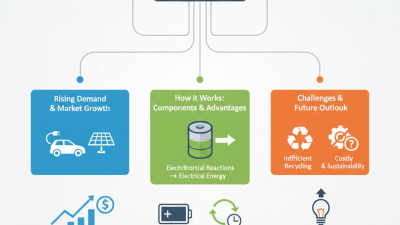
High capacity lithium batteries are changing the landscape of energy storage. Their working mechanism revolves around lithium ions moving between the anode and cathode during charging and discharging. This movement generates electrical energy. As a result, these batteries can deliver high energy density and longer life span than traditional batteries.
Industry reports estimate that global demand for lithium batteries will exceed 1.3 terawatt-hours (TWh) by 2025. Yet, concerns about battery efficiency and sustainability linger. Some studies show a notable percentage of energy loss during the charging cycle. This inefficiency highlights the need for ongoing research to enhance battery technology.
Maintaining optimal battery health is crucial. Temperature is a key factor. Extreme temperatures can degrade performance. Safe storage and regular monitoring can prolong battery life. Look for patterns in energy usage. This helps in maximizing efficiency and identifying potential issues.
Applications and Benefits of High Capacity Lithium Batteries
High capacity lithium batteries play a vital role in modern technology. These batteries offer significant energy storage and are commonly used in electric vehicles, smart devices, and renewable energy systems. The ability to store large amounts of energy in a compact form is impressive. They can enhance performance and extend operating time.
Many industries benefit from these batteries. Electric vehicles, for instance, depend on high capacity lithium batteries for longer ranges and quicker charging times. In renewable energy, these batteries store excess power generated by solar panels or wind turbines, making clean energy more accessible. Their lightweight nature gives an edge in portable devices, supporting longer usage without frequent recharges.
However, reliance on these batteries isn't without challenges. Production methods raise concerns about sustainability and environmental impacts. Additionally, disposal and recycling of lithium batteries remain critical issues. Finding solutions to these problems is essential for future advancements. Investing in research could pave the way for safer and more efficient battery technologies, ensuring their long-term viability in an eco-conscious world.