What Are the Key Benefits of Lithium Battery Packs?
In today's fast-evolving energy landscape, Lithium Battery Packs are revolutionizing various sectors. Renowned energy expert Dr. Emily Chen, a leading researcher in battery technologies, states, "The efficiency and longevity of Lithium Battery Packs are unparalleled." This highlights their crucial role in powering devices sustainably.
Lithium Battery Packs offer remarkable advantages. They are lightweight, efficient, and have a longer lifespan compared to traditional batteries. Businesses and consumers alike benefit from their energy density. A single Lithium Battery Pack can power devices for extended periods, reducing the need for frequent replacements.
However, it is essential to consider the challenges as well. The production of Lithium Batteries raises concerns about environmental impacts. Additionally, the recycling processes for these batteries need improvement. Investing in better solutions is vital. Awareness of these issues fosters a more responsible approach to Lithium Battery Pack usage.

Key Advantages of Lithium Battery Packs Over Traditional Batteries
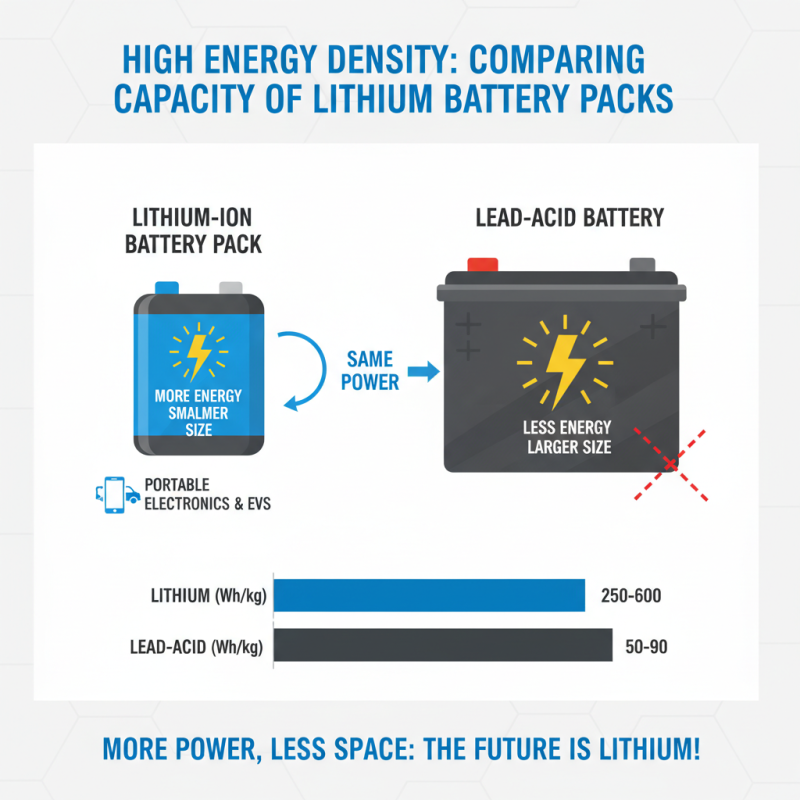
Lithium battery packs offer significant advantages over traditional lead-acid batteries. One of the key benefits is their high energy density. This means that lithium batteries store more energy in a smaller space. They are lighter and more compact. This makes them ideal for applications like electric vehicles and portable devices. Users often notice these packs last longer between charges.
Another compelling advantage is the longer lifespan of lithium batteries. They typically last three to five times longer than their lead-acid counterparts. This longevity means fewer replacements and less waste. However, it's essential to consider proper maintenance. Overcharging or extreme temperatures can reduce their efficiency. Regular monitoring is necessary for optimal performance.
Fast charging capabilities also set lithium battery packs apart. They can be recharged quickly without significant damage. This is critical in today’s fast-paced world where downtime needs to be minimized. Despite these advantages, challenges remain. The initial cost of lithium batteries can be higher than traditional options. Evaluating the long-term savings against upfront costs is vital for informed decisions.
High Energy Density: Comparing Capacity of Lithium Battery Packs
Lithium battery packs are renowned for their high energy density. This means they can store more energy in a smaller space compared to other battery types. For example, a lithium battery pack can provide the same power as a larger lead-acid battery while occupying significantly less space. This makes them ideal for portable electronics and electric vehicles, where weight and size matter.
When comparing the capacity of lithium battery packs, it's essential to focus on their performance metrics. Most lithium batteries have a higher energy density, often exceeding 200 Wh/kg. This efficiency is critical in applications requiring extended use without frequent recharging. An electric vehicle using lithium batteries can travel much farther on a single charge than its counterparts using older technology.
**Tips:** Consider your energy needs carefully. A higher energy density means longer usage between charges. However, more capacity can also mean longer charge times. It's important to weigh these factors based on your individual requirements. Researching battery specifications helps in selecting the right kind for your needs.
Longevity and Cycle Life: Analyzed Durability of Lithium Technologies
Lithium battery packs are known for their impressive longevity and cycle life. These batteries can handle numerous charge and discharge cycles, making them a popular choice for various applications. Users often report significant improvements in performance over traditional battery technologies. The durability of lithium technologies arises from their superior chemistry, which allows for greater energy density and efficiency.
When considering lithium battery packs, it's crucial to understand their cycle life. A typical lithium-ion battery can last between 500 to 2000 cycles, depending on usage and conditions. This extended lifespan greatly reduces the frequency of replacements. However, factors such as temperature, charging habits, and discharge rates can impact battery longevity. It's wise to avoid extreme heat or cold and to maintain a partial charge level when possible.
Tip: Monitor how often you fully charge your battery. Frequent full charges can shorten its lifespan.
Additionally, regular maintenance can also play a role in prolonging the life of a lithium battery. Remember to check for any software updates that may enhance battery management systems. Sometimes, manufacturers release guidelines to optimize battery performance.
Tip: Keep your devices updated to ensure they operate efficiently with the battery. Regular updates can prevent degradation.
Investing in quality lithium battery packs is wise. Their longevity makes them a cost-effective choice over time. However, be mindful of your usage habits to truly reap the benefits.
Weight Efficiency: Impact on Performance in Various Applications
Lithium battery packs offer significant advantages in weight efficiency, impacting performance across various applications. Their high energy density, which can reach up to 250 Wh/kg, allows devices to operate longer without adding excessive weight. This characteristic is particularly crucial in sectors like aerospace and electric vehicles, where every kilogram counts. A recent study indicated that reducing battery weight by just 10% could enhance flight range in aircraft by 5%. This is a tangible benefit for industries seeking to optimize performance.
In addition to improved range, the reduced weight of lithium batteries enhances mobility. In portable devices, lighter battery packs lead to easier handling and user convenience. Studies show that lightweight batteries can increase electric bike speed by approximately 15%, making them more competitive alternatives to traditional transportation. However, the transition to this technology presents challenges, such as recycling and lifecycle management.
Furthermore, while lithium batteries demonstrate impressive weight efficiency, they can still pose safety risks related to thermal runaway. Incidents of overheating remind us that innovation must go hand-in-hand with rigorous safety protocols. Thus, while lithium battery technology excels in many areas, the industry must continuously evaluate its implications and strive for sustainable solutions.
Key Benefits of Lithium Battery Packs - Weight Efficiency and Performance
This bar chart illustrates the performance benefits of lithium battery packs in different weight categories. As seen, the lighter the battery, the higher the performance index due to improved weight efficiency.
Environmental Considerations: Sustainability of Lithium Battery Production
Lithium battery production raises important environmental questions. The extraction of lithium often involves significant ecological disruption. Clearing land for mining depletes local habitats. This can lead to loss of biodiversity. Water consumption during extraction is another concern. In arid regions, this can strain local water supplies.
Recycling lithium batteries is a developing solution. It can mitigate some negative impacts. However, the recycling processes are not yet widespread. Many facilities lack the technology to recycle effectively. This creates waste and can lead to environmental hazards. Awareness of these issues is growing in policy and industry.
Sustainability depends on the entire lifecycle of lithium batteries. From production to disposal, each stage has an impact. Continuous improvements are necessary. Supporting sustainable mining practices can help. Innovations in recycling technology can make a significant difference. The goal should be a more responsible approach to battery use. Balancing energy needs and environmental protection is a complex challenge.
What Are the Key Benefits of Lithium Battery Packs? - Environmental Considerations: Sustainability of Lithium Battery Production
| Benefit |
Description |
Sustainability Impact |
| High Energy Density |
Lithium batteries provide a higher energy density compared to other battery types, allowing for longer usage time. |
Reduces frequency of battery replacements, minimizing waste and resource consumption. |
| Long Lifespan |
Lithium batteries have a long cycle life, often exceeding 2000 charge cycles. |
Less frequent need for battery production lowers environmental impact over time. |
| Recyclability |
Components of lithium batteries can be recycled, recovering valuable materials for reuse. |
Promotes circular economy principles and reduces raw material extraction. |
| Lightweight |
Being lighter than other battery technologies, lithium batteries are ideal for portable devices. |
Encourages energy efficiency in transportation and consumer electronics. |
| Reduced Greenhouse Gas Emissions |
Usage of lithium batteries in renewable energy systems can reduce dependency on fossil fuels. |
Contributes to lowering overall carbon footprint when integrated with sustainable energy sources. |