Top 10 Lithium Iron Phosphate Battery Suppliers
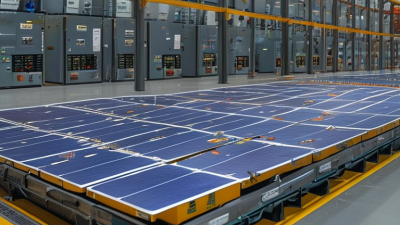
Choosing a Lithium Iron Phosphate Battery supplier involves more than comparing prices or headline capacity. Buyers need to understand cell quality, pack design, production consistency, and support after delivery. These details matter in solar storage rooms, electric forklifts, and backup-power cabinets, where heat, vibration, and daily cycling can expose weak design choices. Small details count.
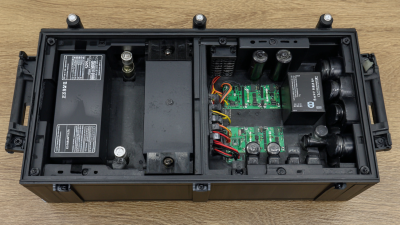
This guide introduces ten suppliers and the factors that can help buyers assess them. It considers product range, stated cycle life, safety features, manufacturing capability, customization, and technical assistance. It also distinguishes companies that make battery cells from those that assemble complete battery packs. They are not interchangeable. A strong cell may still be part of a poorly matched system.
Supplier claims deserve careful checking. Compare datasheets under similar test conditions, ask how cycle life was measured, and confirm which certifications apply to the exact model being offered. Where possible, review independent test records and evaluate a sample under realistic operating conditions. A catalogue cannot show every production variation. Nor can a short list predict which supplier will best fit a particular project. Cost, lead time, warranty terms, and local service can change the decision. This ranking is a starting point, not a substitute for technical due diligence. Some information may also change as companies update products or expand capacity. That uncertainty is worth acknowledging. The most useful supplier is the one whose documented performance, communication, and support match the demands of the application—not simply the one with the boldest specification.
Lithium Iron Phosphate Batteries: Chemistry and Key Characteristics
Lithium Iron Phosphate Batteries: Chemistry and Key Characteristics
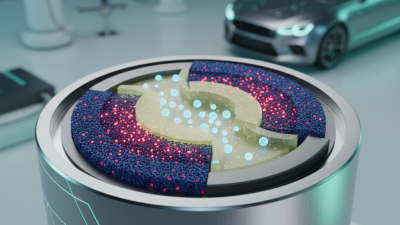
Lithium iron phosphate (LFP) cells use a LiFePO₄ cathode and usually a graphite anode. During charging, lithium ions move from the cathode through the electrolyte and into the anode. The phosphate-based crystal structure supports thermal stability, while a typical cell has a nominal voltage near 3.2 volts. LFP generally offers long cycle life and avoids nickel and cobalt in its cathode. Its trade-off is lower energy density than many nickel-rich chemistries, so packs may be heavier for the same stored energy. The trade-off is real. The International Energy Agency reported that LFP supplied about 40% of global electric-car battery demand in 2023, up from roughly 10% in 2020 (Global EV Outlook 2024). That growth reflects practical value, not a perfect chemistry.
Tips: Compare usable energy, cycle-life test conditions, and temperature limits—not just the cell’s advertised capacity. Ask whether figures refer to cells or complete packs.
In real use, heat, charging rates, and battery-management settings affect performance. LFP is comparatively resistant to thermal runaway, but it is not immune to damage or overheating. A cold morning can also reduce available power and charging speed. For suppliers, clear test methods matter: “long life” means little without stated temperatures, depth of discharge, and end-of-life criteria. Even these measures do not capture every installation or driving pattern.
Criteria for Assessing Lithium Iron Phosphate Battery Suppliers
When comparing lithium iron phosphate battery suppliers, look beyond quoted capacity and price. Ask how cycle life was measured, including temperature, charge rate, and depth of discharge. A figure without test conditions is hard to compare. Numbers need context.
Review sample test reports, production quality controls, and cell traceability. Check whether capacity and internal resistance are tested across batches, not only on a prototype. Ask how the supplier manages cell balancing, battery management system compatibility, and thermal monitoring. Confirm warranty terms, including capacity thresholds and exclusions. Safety documents should identify the tested product configuration; a certificate for a different model offers limited reassurance. Delivery consistency and technical support matter too, especially when installation questions arise. A polished data sheet can still leave practical gaps.
Tips: Request one recent test report and a written warranty before ordering. Compare like with like. If a supplier cannot explain a test condition clearly, pause and ask again. That hesitation may feel inconvenient, but it can reveal where your comparison still needs work.
Profiles of Ten Leading Lithium Iron Phosphate Battery Suppliers
This profile of ten leading lithium iron phosphate battery suppliers focuses on what buyers can verify: production scale, cell formats, quality controls, and support after delivery. The International Energy Agency’s Global EV Outlook 2024 reports that LFP batteries reached about 40% of the global electric-car battery market in 2023. That growth makes supplier comparisons more useful—and more demanding. A polished specification sheet is not enough.
The ten profiles should distinguish high-volume cell manufacturers from suppliers focused on energy storage, commercial vehicles, or integrated battery packs. Compare cycle-life figures only when test conditions are clear, including temperature, depth of discharge, and charging rate. Ask for batch-level quality data and traceable warranty terms. The IEA also reports that China produces more than 95% of LFP batteries, a concentration worth considering when assessing supply-chain resilience. A ranking can still mislead if it treats capacity as proof of reliability.
Tips: Request test results from an independent laboratory, then check whether they match your operating conditions. Look closely at performance near 0°C; charging behavior can change sharply in the cold. One caveat: published cycle-life claims are not always directly comparable.
Comparing Supplier Products, Capabilities, and Global Reach
A useful top-ten comparison should examine products, manufacturing capabilities, and service coverage—not just advertised capacity. Some suppliers offer individual cells, while others deliver tested modules or complete battery packs. Check the stated capacity, operating temperature range, cycle-life conditions, and battery management features. A cycle-life figure means little without its test temperature and discharge rate.
Details matter.
Manufacturing capability affects consistency. Look for documented quality controls, cell traceability, pack-level testing, and clear procedures for handling defects. Ask whether the supplier can adjust voltage, enclosure dimensions, or communication interfaces to fit your equipment. Request sample test reports and clarify what each warranty covers. A polished specification sheet is useful, but it cannot replace evidence from actual testing.
Not always.
Global reach involves more than shipping to multiple countries. Check where technical support is based, how replacement parts are supplied, and whether delivery times suit your installation schedule. Regional service can reduce delays when a system needs inspection or repair. Compare stated lead times with your own order history, if available. A neat comparison table can still miss practical differences, especially when suppliers measure performance under different conditions.
Treat unmatched figures with care.
Applications and Market Trends Shaping LFP Battery Supply
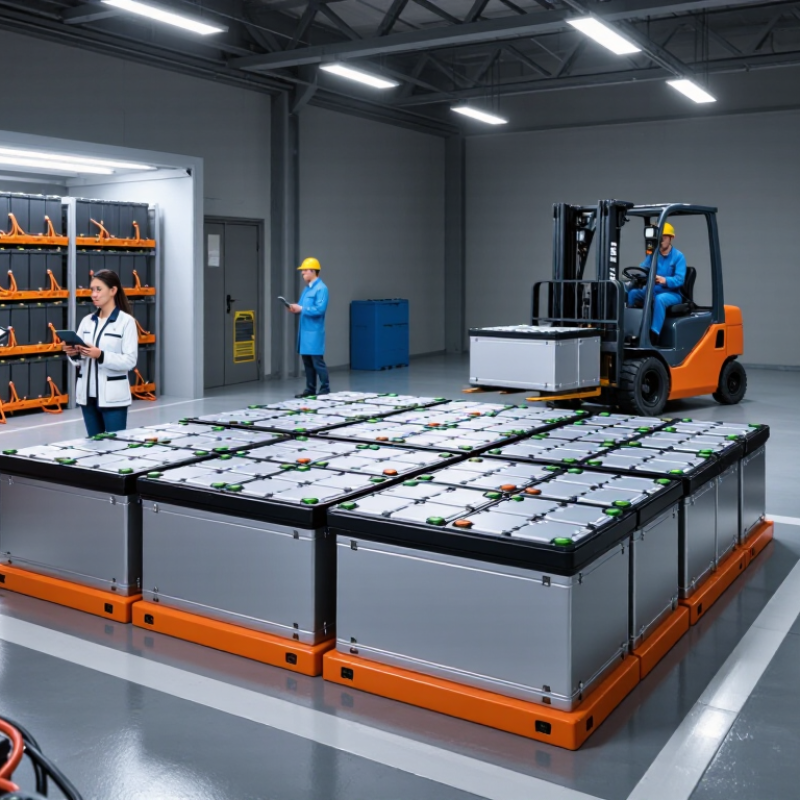
Lithium iron phosphate batteries are gaining ground where predictable operation matters more than maximum energy density. Electric buses, delivery vans, forklifts, and home storage systems are common applications. In a depot, a battery may face repeated charging between shifts and long periods of daily use. LFP’s thermal stability and cycle life can suit these routines, though performance still depends on cell design, controls, and operating conditions. No chemistry is a shortcut.
Grid storage is also influencing supply. Solar and wind projects need batteries that can respond to changing output and provide energy when generation falls. Buyers increasingly compare usable capacity, warranty terms, service support, and safety testing—not just the quoted price per kilowatt-hour. These details matter. A low-cost pack can become an expensive choice if maintenance access is poor or capacity fades faster than expected.
Suppliers are adapting through larger production runs, closer coordination with pack makers, and investment in material traceability. Yet expanding capacity does not automatically guarantee consistent quality. Manufacturers still need careful process control, reliable raw-material sourcing, and transparent data on performance. Supply plans can also be disrupted by changing demand and uneven access to components. The market looks strong, but forecasts are not promises. Some projects may still choose other battery chemistries when weight, space, or charging needs outweigh LFP’s practical advantages.