Top Li Ion Polymer Battery Tips for Global Buyers?
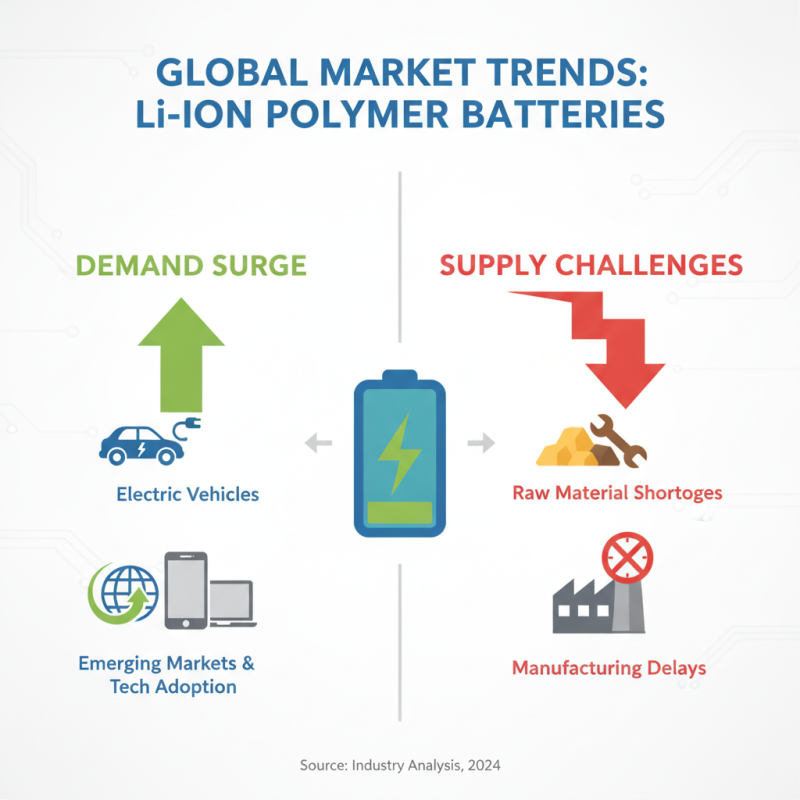
In the rapidly evolving world of technology, the demand for Li Ion Polymer Battery solutions has surged. These batteries are crucial for powering everything from smartphones to electric vehicles. According to Dr. Emily Chen, a renowned expert in battery technology, “Understanding the nuances of Li Ion Polymer Battery design can greatly affect product performance.” This emphasizes the importance of knowledge while navigating the complexity of global battery markets.
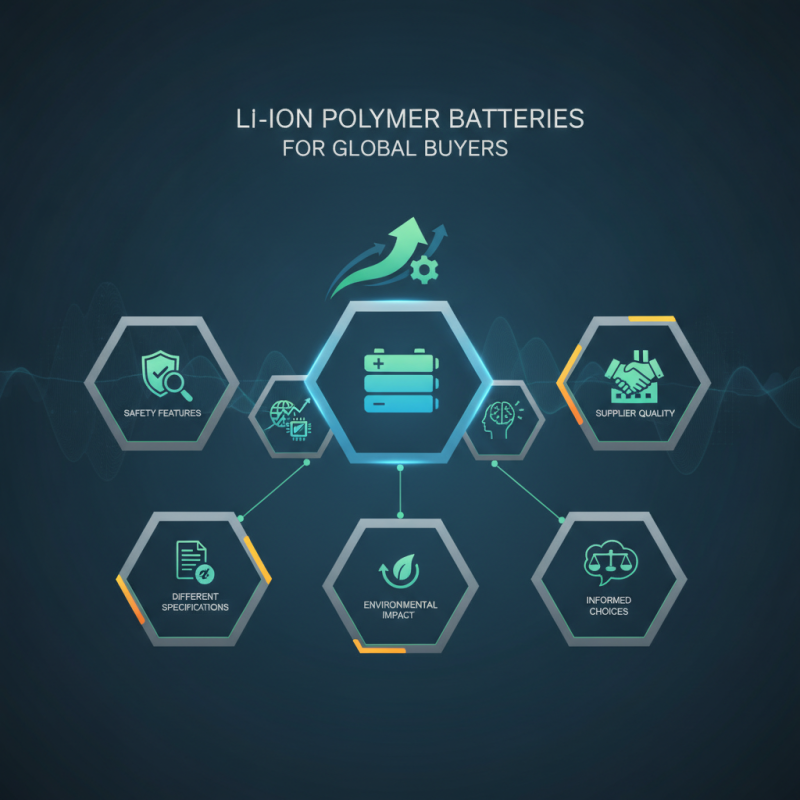
Buyers often face challenges in selecting the right Li Ion Polymer Battery. It's vital to be informed about different specifications, safety features, and environmental impacts. Each battery type has unique characteristics. Misjudging these factors can lead to significant setbacks and failures in product design or operational efficiency.
Furthermore, not all suppliers maintain the same quality standards. A thorough vetting process is necessary. Potential buyers should prioritize companies known for their reliability and innovation. By embracing careful deliberation, buyers can make informed choices and avoid common pitfalls associated with the Li Ion Polymer Battery industry.
Advantages of Li-Ion Polymer Batteries Over Other Battery Types
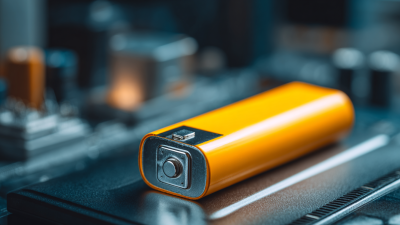
Lithium-ion polymer (Li-Ion polymer) batteries offer several advantages over traditional battery types. One significant benefit is their lightweight construction, which makes them ideal for portable devices. Compared to nickel-cadmium and lead-acid batteries, Li-Ion polymer batteries can deliver higher energy densities. This means they can store more energy while being smaller and lighter, which is crucial for modern gadgets.
Another advantage is their flexible shape. Unlike rigid battery designs, Li-Ion polymer batteries can be molded to fit various device designs. This flexibility allows manufacturers to create sleeker products without sacrificing performance. Additionally, they exhibit lower self-discharge rates, which enhances shelf life. This is vital for devices that are not used frequently, as it means they retain their charge for longer periods.
However, there are considerations to keep in mind. Li-Ion polymer batteries can be sensitive to temperature extremes, which may affect their lifespan. It's essential to monitor operating conditions to ensure optimal performance. Additionally, the technology is constantly evolving, which means staying informed about advancements is crucial for buyers. Investing in understanding these batteries can lead to more informed purchasing decisions.
Key Specifications to Consider When Purchasing Li-Ion Polymer Batteries
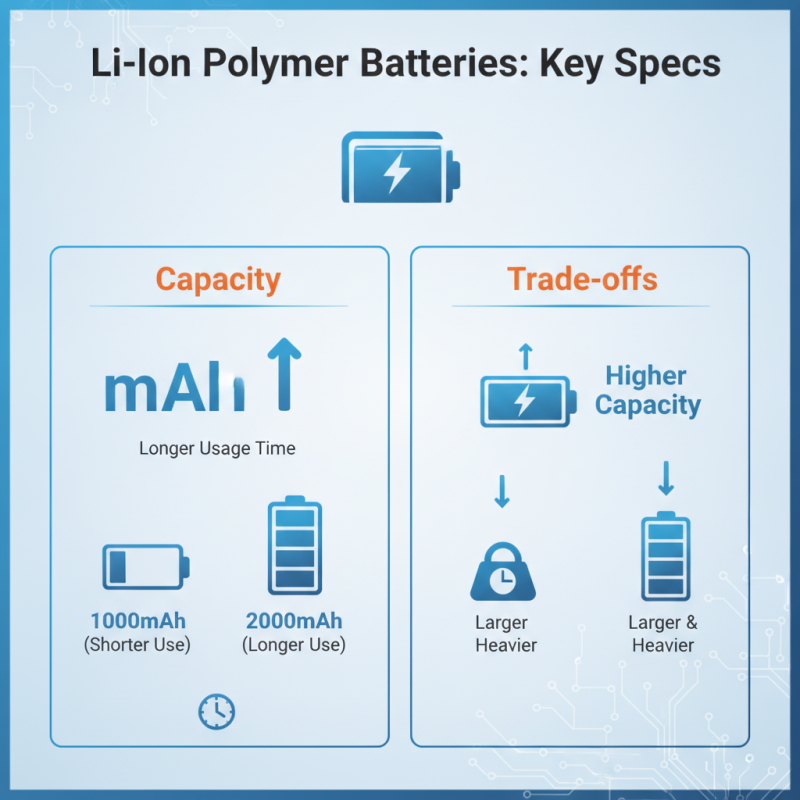
When purchasing Li-Ion polymer batteries, understanding key specifications is crucial. Capacity is one of the most important aspects. It is measured in milliampere-hours (mAh). Higher capacity means longer usage time. For example, a 2000mAh battery will last longer than a 1000mAh battery under the same load. However, consider the trade-offs. A battery with higher capacity can be larger and heavier.
Another significant specification is voltage. Most Li-Ion polymer batteries operate between 3.7V to 4.2V. The voltage level impacts performance and compatibility. Ensure the voltage aligns with the device requirements. Additionally, check for discharge rates, typically expressed as a “C” rating. This influences how quickly the battery can deliver energy.
Cycle life is another specification to think about. It indicates how many charge and discharge cycles a battery can go through before its capacity drops significantly. Batteries with a higher cycle life offer better longevity. However, performance can vary. Not all batteries that claim high cycle lives deliver as promised. This disparity highlights the need for research and purchasing from reliable sources. Balancing these factors will lead to more informed decisions and better overall satisfaction.
Safety Standards and Regulations for Li-Ion Polymer Battery Usage
When considering Li-Ion polymer batteries, understanding safety standards is crucial. Buyers globally must comply with various regulations. These rules ensure user safety and product reliability. Testing and certification are vital. Look for products that meet international safety standards. Compliance indicates a certain level of quality.
In addition, monitor battery handling practices. Misuse can lead to risks like overheating or even fires. Ensure proper charging procedures are followed. Overcharging can damage the battery and pose safety hazards. Storage temperature is also a factor. Excessive heat or cold can affect performance.
Not all suppliers follow the same guidelines. Research the companies and their certifications. Some manufacturers may lack robust safety protocols. This can lead to unreliable products. Buyers should prioritize sourcing from reputable suppliers with a track record in safety compliance.
Top Li Ion Polymer Battery Tips for Global Buyers
| Aspect |
Detail |
| Chemistry |
Lithium-ion Polymer (LiPo) |
| Nominal Voltage |
3.7 Volts |
| Capacity Range |
1000 mAh to 5000 mAh |
| Cycle Life |
300 to 500 cycles |
| Temperature Range for Use |
-20°C to 60°C |
| Safety Standards |
UN 38.3, IEC 62133 |
| Regulatory Compliance |
CE, RoHS, FCC |
| Common Applications |
Consumer Electronics, Drones, Electric Vehicles |
| Storage Recommendations |
Cool, dry place; 40%-60% charge level |
Best Practices for Maintenance and Longevity of Li-Ion Polymer Batteries
Maintaining the longevity of Li-Ion polymer batteries is crucial for efficiency and reliability. Research shows that high temperatures can significantly reduce battery life. Keeping the battery cool is essential. Avoid exposing it to direct sunlight or heat sources. A temperature range of 20-25°C is optimal for most batteries, which aids in sustaining performance over time.
Regular charging habits can profoundly impact battery health. Using the battery between 20% and 80% charge can extend its lifespan. Completely draining or fully charging can strain the battery. Data suggests that charging in small increments can be better than longer sessions. For instance, many users fail to realize that short, frequent charges help maintain a healthier battery.
Tip: Consider avoiding rapid charging whenever possible. While convenient, it can lead to overheating and diminished battery capacity. Additionally, storing batteries at around 50% charge when not in use can prevent degradation. Frequent monitoring of usage patterns can offer valuable insights. Not all users follow ideal practices, which could prompt a more careful approach to battery management. While not everyone may notice the impact of neglecting these tips immediately, long-term effects can be detrimental.
Top Li Ion Polymer Battery Maintenance Tips
This chart illustrates the impact of various maintenance tips on the longevity of Li-Ion Polymer batteries. Proper storage temperature, limited charge cycles, careful discharge depth, regular monthly maintenance, and consideration of battery age are crucial factors that contribute to overall battery life.