Top Tips for Choosing Lithium Batteries for Electric Bikes?
Choosing the right lithium batteries for electric bikes is crucial for performance and safety. The rise in electric bike usage has sparked significant interest in battery technology. According to a recent report by the International Council on Clean Transportation, e-bike sales have surged by over 50% in the last few years. This growth emphasizes the importance of selecting the right lithium batteries.
Expert John Smith, a leading figure in the lithium battery industry, states, "The right battery can enhance both performance and ride quality." However, it's not always easy to make the best choice. Many consumers focus solely on price, neglecting factors such as battery capacity and cycle life. Such decisions can result in poor performance and higher costs in the long run.
Understanding the specifications, such as voltage and charging times, can make a significant difference. The demand for lighter, more efficient batteries is rising. Yet, consumers often overlook important details. Inadequate research can lead to frustration with subpar battery life. The quest for optimal lithium batteries for electric bikes requires careful consideration and informed decisions.

Understanding the Different Types of Lithium Batteries for Electric Bikes
When choosing lithium batteries for electric bikes, it's crucial to understand the different types available. Lithium-ion, lithium iron phosphate, and lithium polymer are the most common. Each type has unique advantages and drawbacks. For instance, lithium-ion batteries are popular due to their balance of weight and capacity. However, they might degrade faster under extreme conditions.
Consider the intended use of your electric bike. If you plan long rides, higher capacity batteries may suit you better. But this can come with increased weight. A lighter battery might be beneficial for city commuters, yet it may hold less charge.
Here are tips to help you decide. Check the battery's cycle life. A battery with a higher cycle life lasts longer. Look at the discharge rate. A higher discharge rate means more power for steep climbs. Lastly, think about the cost. Cheaper batteries can save money but may need replacement sooner. Make sure to strike a balance that fits your needs.
Evaluating Battery Capacity and Range for Optimal Performance
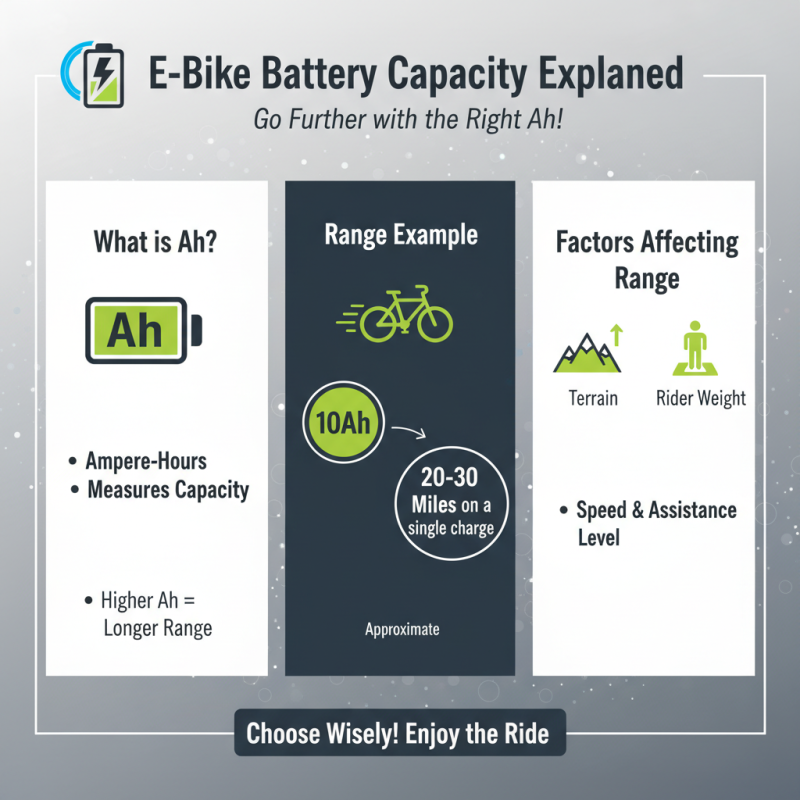
When choosing lithium batteries for electric bikes, evaluating battery capacity is crucial. Capacity is typically measured in ampere-hours (Ah). A higher Ah rating often means a longer range. For instance, batteries with 10Ah can generally power a bike for about 20-30 miles on a single charge. However, real-world conditions can affect this. Factors like terrain and rider weight will play significant roles.
Range is another critical factor. An electric bike's range may vary based on battery capacity and bike design. A 36V battery can help achieve speeds up to 20 mph, but expect lower performance on steeper climbs. The average cyclist may cover about 15-25 miles, depending on the battery. Studies show that batteries lose efficiency over time. This can lead to fewer miles per charge after just a few years.
Choosing the right battery involves balancing weight and power. A lighter battery can enhance performance but might offer decreased range. Riders might find themselves reconsidering battery options after experiencing sudden drops in range. It's essential to test various configurations before settling on one that feels right. Personal experience and experimentation can often lead to the best finding in this evolving space.
Factors Influencing Battery Lifespan and Maintenance Needs
When choosing lithium batteries for electric bikes, understanding factors that influence battery lifespan is crucial. Battery lifespan can be affected by temperature. Studies show that lithium batteries operate optimally between 20 to 25°C (68 to 77°F). Exposure to extreme heats can diminish capacity by up to 40%. Cold conditions can also be damaging, reducing energy output significantly.
Maintenance plays a vital role, too. Regularly checking battery connections can prevent rust and deterioration. Reports suggest that improper maintenance can shorten battery life by as much as 30%. Charging practices are equally important. Avoiding complete discharges and frequent overcharging can enhance longevity. Instead of charging after every ride, wait until the battery drops to around 20%.
Environmental impact is another consideration. A recent study noted that lithium waste could escalate if not properly recycled. Consumers must reflect on disposal methods when their batteries reach the end of life. This awareness not only benefits the user but also mitigates potential harm to the environment.
Assessing Weight and Size for Balance and Handling on E-Bikes
When choosing lithium batteries for electric bikes, weight and size are crucial factors. The average lithium battery weighs between 2 to 5 kg. A lighter battery improves handling. Many riders seek a balance between capacity and weight. A heavier battery may affect the overall ride.
Consider how battery placement influences balance. Ideally, the center of mass should be low and centralized. Some reports suggest that a battery positioned low enhances stability during turns. A well-positioned battery can prevent wheelies, particularly when accelerating from a stop. Riders should also account for frame design. Certain frames accommodate larger batteries better than others.
Battery size affects not only weight but also aesthetics. A bulky battery can disrupt the bike's sleek look. It might also lead to discomfort during rides. Riders may feel fatigue from an unbalanced setup. It’s important to experiment with different configurations before finalizing a choice. A battery’s dimensions may impact pedals, especially on compact models. Finding the right fit can take time and effort, but it's essential for an enjoyable experience.
Comparing Costs and Brands for the Best Value Lithium Batteries
When choosing lithium batteries for electric bikes, cost and brand can greatly affect your experience. Comparing prices can feel overwhelming. Some batteries may seem cheaper but compromise on longevity and performance. Look closely at the specifications. A lower upfront cost can lead to higher replacement expenses.
Brand reputation is important, yet it is not everything. An established brand may have higher prices due to marketing. Newer brands may offer excellent value, but they often lack user feedback. Research reviews and customer experiences to gain insights. Focus on energy density and cycle life. These metrics determine battery efficiency.
Consider warranties and customer service as well. A lengthy warranty can indicate confidence in the product. However, some brands may not honor their warranties. Also, read the fine print carefully. This can save you from unexpected costs later. In the end, making an informed choice takes time. Reflecting on trade-offs can lead to better satisfaction in the long run.
Comparison of Lithium Battery Costs for Electric Bikes
This chart compares the costs of various lithium batteries suitable for electric bikes based on their specifications. The prices represent different voltage and amp-hour combinations, highlighting the potential investment required for each option.