Top 10 High and Low Temperature Lithium Batteries for Buyers?
In the rapidly evolving world of energy storage, the importance of High and Low Temperature Lithium Batteries cannot be overstated. These batteries power everything from electric vehicles to renewable energy systems. Dr. Jane Thompson, an expert in battery technology, once remarked, “The true potential of lithium batteries lies in their performance across a wide temperature range.” This statement encapsulates the need for consumers to understand their options.
Buyers today face a daunting task. The market is flooded with various battery types that promise reliability and efficiency. However, not all batteries can function optimally in extreme conditions. Higher temperatures can degrade battery life, while lower temperatures can cause reduced performance.
Selecting the right battery requires careful consideration. Users must evaluate their specific needs and the operational environment where these batteries will be used. Understanding the distinctions among high and low temperature lithium batteries will guide buyers in making informed decisions. The stakes are high, as a wrong choice can lead to safety concerns and costly replacements. Exploring the top options in this category is vital for making the best investment.
Overview of High and Low Temperature Lithium Batteries
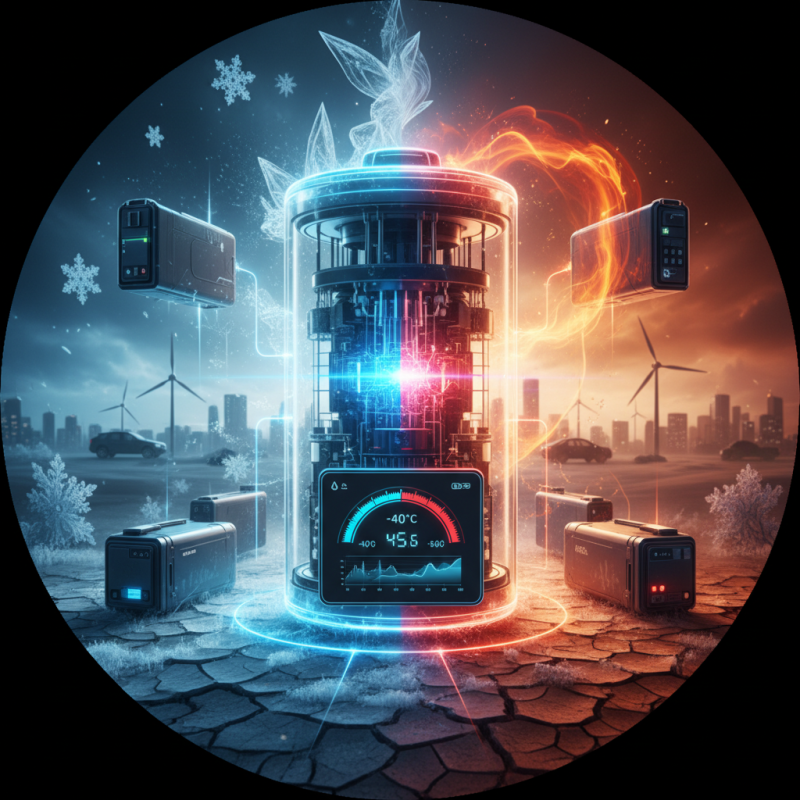
High and low temperature lithium batteries are growing in importance. They are essential for applications in extreme conditions. These batteries function effectively in temperatures ranging from -40°C to 60°C. A study from the Battery University shows that these ranges significantly enhance battery life and performance.
High temperature batteries often utilize advanced materials. These improvements help maintain performance under heat. On the other hand, low temperature batteries require special electrolytes. These allow them to operate efficiently in cold environments. According to a report by Market Research Future, the market for high and low temperature lithium batteries is expected to reach USD 10 billion by 2025.
However, there are challenges in these technologies. Performance at extreme temperatures can vary widely. Degradation rates are not always predictable. Users may face trade-offs between energy density and thermal stability. The choice of applications is critical and should be guided by specific requirements. Addressing these challenges ensures optimal use and longevity of battery systems.
Key Features to Consider When Choosing Lithium Batteries
When selecting lithium batteries, key features are crucial. Battery chemistry significantly affects performance. Different chemistries offer various capacities and temperature tolerances. It's essential to understand your specific needs. For instance, deep cycle batteries excel in longevity, while others may provide quick bursts of power.
Capacity is another factor. Look for batteries with adequate amp-hour ratings. This rating determines how much energy you can use before recharging is necessary. A higher capacity often means longer usage times, ideal for devices requiring constant power.
**Tip:** Consider your intended application. Some batteries are better suited for low-temperature environments, while others perform well under high temperatures. Check the operational temperature range.
Durability matters too. Look for batteries with a robust casing. A quality build can extend lifespan, especially when exposed to harsh conditions.
**Tip:** Research reviews and user experiences. They can reveal how batteries function in real-world situations. This insight may help you make informed decisions. It's essential to weigh all features against your requirements, taking time to reflect on potential drawbacks. Each choice has its pros and cons.
Top 5 High Temperature Lithium Batteries for Extreme Environments
When selecting high-temperature lithium batteries, it’s crucial to understand their specific applications. These batteries function well in extreme environments, such as industrial settings or outdoor activities in harsh climates. They are designed to withstand elevated temperatures, ensuring reliability even when the heat peaks.
High-temperature lithium batteries typically use special materials to minimize degradation. This construction enhances their overall performance and lifespan. For instance, some models can operate at temperatures exceeding 60°C. They maintain efficiency and energy output longer than standard batteries under these conditions.
While many high-temperature options exist, each has unique strengths and weaknesses. Some might excel in rapid discharge rates but struggle with longevity. Others manage heat dissipation well but may sacrifice power. Buyers must evaluate their specific needs carefully. Choosing improperly can lead to reduced performance. Be vigilant about testing your battery under real conditions to gauge its true capabilities.
Top 5 Low Temperature Lithium Batteries for Cold Conditions
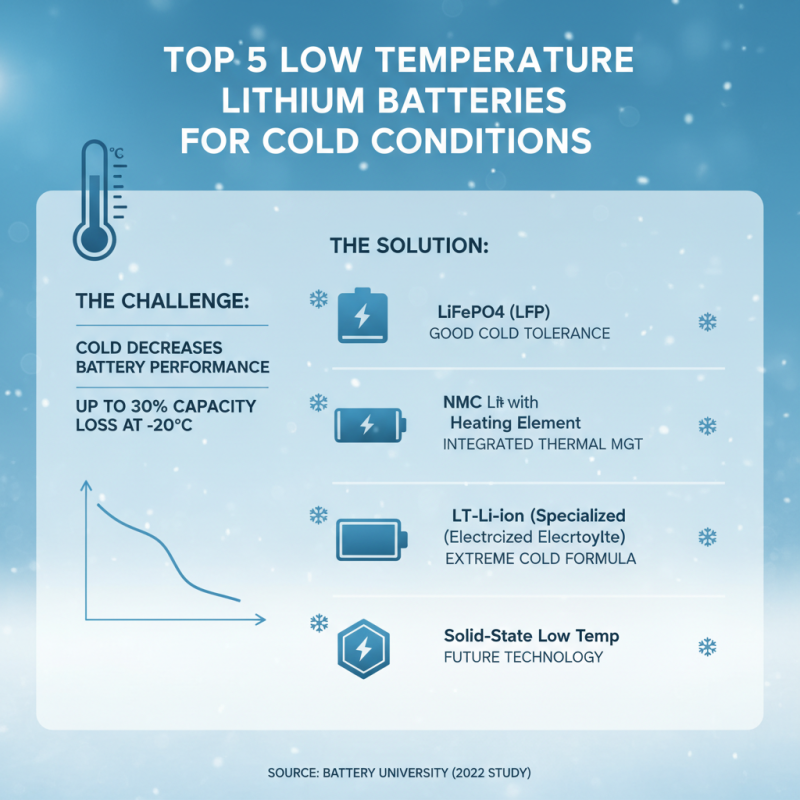
In cold conditions, lithium batteries face significant challenges. Their performance often deteriorates as temperatures drop. According to a 2022 study by the Battery University, low temperatures can decrease battery capacity by as much as 30% at -20°C. Choosing the right low-temperature lithium battery is crucial for reliability.
Top-performing low-temperature batteries maintain efficiency even in frigid environments. Research has shown that specialized lithium designs can operate at temperatures as low as -40°C. For instance, the use of advanced electrolyte compositions and improved thermal management systems helps enhance performance. These batteries can deliver up to 1,500 discharge cycles, compared to standard models, which typically last only 500 cycles.
However, not all batteries are created equal. Some low-temp batteries may struggle with power output, especially during peak demands. A 2021 industry report highlighted that inconsistency in voltage can result in reduced device performance. It's essential to thoroughly analyze specifications and operational limits before purchase. This ensures optimal functionality in extreme cold while minimizing potential failures.
Comparative Analysis of Performance and Applications
When choosing lithium batteries, temperature performance is crucial. Batteries perform differently under varying temperatures. High-temperature lithium batteries often excel in energy density. They are suitable for applications like electric vehicles and drones. These batteries operate efficiently in extreme heat. However, their lifespan may shorten due to thermal degradation. Frequent high-temperature cycles can lead to overheating issues.
Low-temperature lithium batteries, on the other hand, maintain efficiency when it’s cold. They are perfect for uses in colder climates or during winter. However, their energy output can diminish in extreme cold. Users often notice reduced capacity in harsh conditions. Understanding these trade-offs is essential for selecting the right battery.
Many buyers overlook the importance of temperature resilience. It’s a factor that influences performance and longevity. Battery users need to consider their specific applications. Factors like heating mechanisms and insulation can be vital. Misjudging temperature effects can lead to suboptimal performance. This consideration can make a significant difference in overall satisfaction.
Top 10 High and Low Temperature Lithium Batteries for Buyers
| Battery Type |
Operating Temperature Range (°C) |
Capacity (Ah) |
Voltage (V) |
Cycle Life (Cycles) |
Applications |
| Lithium Iron Phosphate (LiFePO4) |
-20 to 60 |
200 |
3.2 |
2000 |
Electric Vehicles, Energy Storage |
| Lithium Nickel Manganese Cobalt (NMC) |
-20 to 45 |
250 |
3.7 |
1000 |
Consumer Electronics, EVs |
| Lithium Cobalt Oxide (LCO) |
0 to 60 |
150 |
3.7 |
500 |
Mobile Phones, Laptops |
| Lithium Polymer (LiPo) |
-20 to 60 |
100 |
3.7 |
300 |
Drones, RC Vehicles |
| Lithium Manganese Oxide (LMO) |
-30 to 60 |
200 |
3.7 |
1000 |
Power Tools, Medical Devices |
| Lithium Titanate (LTO) |
-40 to 60 |
100 |
2.4 |
7000 |
Grid Energy Storage |
| Lithium Sulfur (Li-S) |
-20 to 60 |
300 |
2.1 |
300 |
Electric Vehicles, Aerospace |
| Lithium NMC (Nickel Manganese Cobalt) High Temperature |
0 to 80 |
350 |
3.7 |
1200 |
Aerospace, Military |
| High-Temperature Lithium Iron Phosphate |
-20 to 70 |
240 |
3.2 |
1500 |
Backup Power, UPS Systems |
| Low-Temperature Lithium Battery |
-40 to 20 |
120 |
3.0 |
400 |
Remote Sensors, Arctic Applications |