留下你的信息

Top 48V Lithium Battery for Electric Bike Suppliers

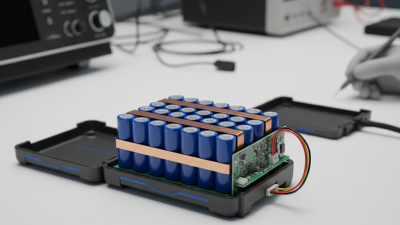
Choosing a reliable 48v Lithium Battery For Electric Bike supplier requires more than comparing prices or advertised capacity. A strong supplier should demonstrate practical experience with cell selection, battery management systems, enclosure design, and bicycle integration. The battery must fit the frame securely. Its connectors should resist vibration. Its charging port should feel protected, not improvised.

Battery researcher Dr. Euan McTurk offers a useful reminder: “A battery is only as good as the system around it.” This principle matters when evaluating the Top 48V Lithium Battery for Electric Bike Suppliers. A high-quality pack needs balanced cells, accurate protection settings, thermal control, and clear production records. Ask for test data, cycle-life evidence, warranty terms, and traceable cell information. Do not rely on attractive labels alone.

Real riding exposes weak claims quickly. A delivery rider climbing wet hills needs stable voltage under load. A commuter needs predictable range during cold mornings. A manufacturer should explain these conditions honestly, even when the answer is inconvenient. No supplier is flawless. Some publish impressive figures but provide limited field evidence. That weakness deserves attention.

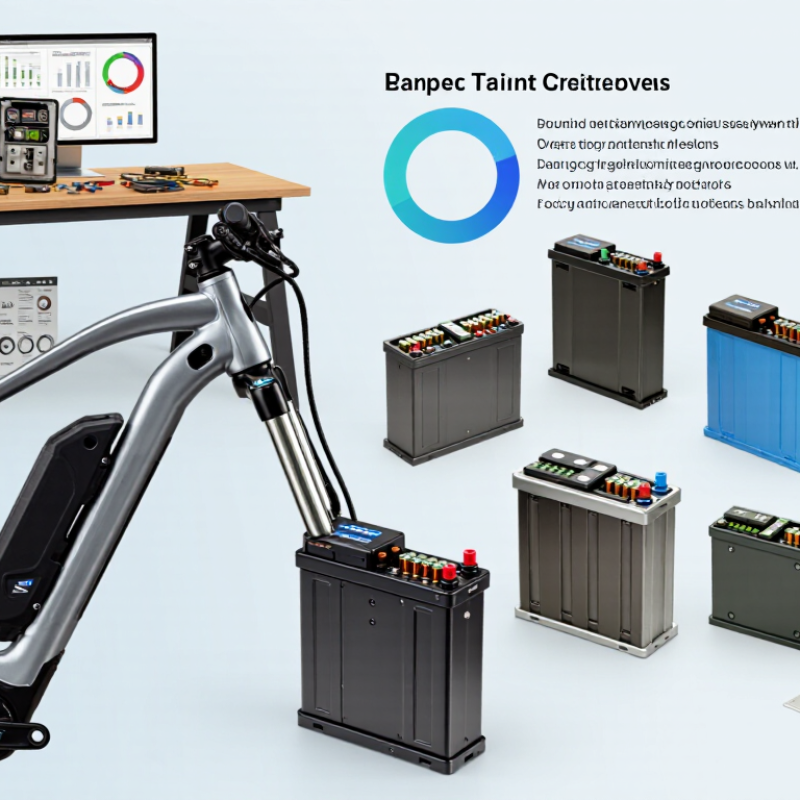
This guide compares leading suppliers through performance, safety practices, customization ability, communication, and after-sales support. It also considers details often overlooked, such as connector quality, charger compatibility, waterproofing, and replacement procedures. The best supplier is not always the cheapest. It is the partner that documents its work, admits limitations, and helps the battery perform consistently beyond the showroom.
Top 48V Lithium Battery for Electric Bike Suppliers

What a 48V Lithium Battery Is and How It Powers an Electric Bike

A 48V lithium battery is a rechargeable power pack designed to supply steady electricity to an electric bike. Its “48V” rating is nominal, not constant. A common lithium-ion pack reaches about 54.6V when fully charged, then gradually drops during riding. Battery capacity is measured in ampere-hours, or Ah. Multiplying volts by Ah gives approximate energy in watt-hours. For example, a 48V 15Ah battery stores about 720Wh.

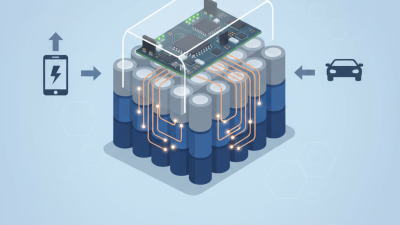
Inside the pack, connected cells provide power while a battery management system monitors voltage, temperature, and charging balance. The controller draws current from the battery and sends it to the motor. More current can improve acceleration, but it also creates extra heat and reduces range. Check the connector, mounting rail, and charger rating before installation. A loose contact can cause intermittent power on rough roads.

I once underestimated this detail during a workshop inspection. The battery itself was healthy, but vibration had weakened the connection. Range also depends on rider weight, tire pressure, hills, wind, and assist level. Laboratory figures are useful, but real roads are less polite. Store the battery in a dry, moderate-temperature place, and stop using it if the casing swells, leaks, or becomes unusually hot.

Key Specifications for Comparing 48V Electric Bike Batteries

When comparing 48V lithium batteries for electric bikes, check nominal voltage and system compatibility. A typical 48V pack reaches about 54.6V when fully charged. The controller must support this charging level. Capacity matters too. A 15Ah battery stores roughly 720Wh, calculated by multiplying voltage by amp-hours. More watt-hours usually means longer range, but rider weight, hills, wind, and tire pressure change the result.

Examine the battery management system, or BMS. It should protect against overcharging, deep discharge, overheating, and excessive current. Compare continuous and peak discharge ratings with the motor’s requirements. A battery with a high capacity but weak current output may feel disappointing during steep climbs. Check cell chemistry, expected cycle life, operating temperature, enclosure strength, and water resistance. Weight and mounting dimensions also affect daily handling.

Reliable suppliers provide clear datasheets, charger specifications, production dates, and traceable test records. Ask about warranty coverage, replacement parts, and safe shipping procedures. In my own battery comparisons, I once focused too heavily on advertised range. That was a mistake. Real performance depended more on current delivery and temperature control. Some suppliers also provide sample testing, which helps verify capacity before a larger purchase. Claims should be measurable, not decorative.

Top 48V Lithium Battery for Electric Bike Suppliers - Key Specifications for Comparing 48V Electric Bike Batteries
Key Specification Entry-Level 48V Battery Standard 48V Battery High-Capacity 48V Battery What to Compare
Battery Chemistry Rechargeable lithium-ion Rechargeable lithium-ion Rechargeable lithium-ion Confirm the exact cell chemistry, cell format, and safety documentation.
Nominal Voltage 48 V 48 V 48 V A 48 V lithium-ion pack normally uses 13 cells in series.
Full-Charge Voltage 54.6 V 54.6 V 54.6 V Use a charger designed specifically for a 13-series lithium-ion battery.
Typical Capacity 10 Ah 15 Ah 20 Ah Higher amp-hour capacity generally provides longer riding time but increases size, weight, and cost.
Approximate Energy 480 Wh 720 Wh 960 Wh Energy is calculated as nominal voltage × amp-hour capacity; actual usable energy varies with conditions.
Recommended Motor Power 250–500 W 500–750 W 750–1,000 W Match the battery output capability with the motor controller and intended use.
Continuous Discharge Current 15–20 A 20–30 A 30–40 A The continuous rating should meet or exceed the controller’s maximum continuous current.
Peak Discharge Current 25–35 A for up to 10 seconds 35–45 A for up to 10 seconds 45–60 A for up to 10 seconds Check the peak duration and protection limits stated in the battery specification sheet.
Battery Management System Overcharge, over-discharge, over-current, and short-circuit protection Protection functions plus cell balancing and temperature monitoring Protection functions, cell balancing, temperature monitoring, and low-temperature charging protection A suitable BMS helps control charging, discharging, balancing, and fault conditions.
Standard Charger Output 54.6 V, 2 A 54.6 V, 2–3 A 54.6 V, 3–5 A Charging time depends on charger current, battery capacity, temperature, and charger efficiency.
Estimated Charging Time Approximately 5–6 hours Approximately 6–8 hours Approximately 6–9 hours Estimated from rated capacity and charger output; charging is slower near full capacity.
Typical Cycle Life 500–800 cycles 600–1,000 cycles 600–1,000 cycles Cycle life depends on depth of discharge, charge rate, storage, temperature, and cell quality.
Approximate Battery Weight 3.5–4.5 kg 4.5–6.0 kg 6.0–8.0 kg Actual weight varies according to cell type, enclosure, connectors, and mounting hardware.
Common Mounting Formats Frame-mounted, rear-rack, or semi-integrated Frame-mounted, rear-rack, or semi-integrated Frame-mounted or integrated downtube Verify mounting-hole positions, rail compatibility, clearance, and locking mechanism.
Approximate Dimensions 360–390 × 90–110 × 90–110 mm 360–420 × 90–110 × 90–120 mm 400–470 × 100–125 × 100–130 mm Dimensions vary significantly by enclosure design and mounting style; confirm with a mechanical drawing.
Operating Temperature 0°C to 45°C while charging; −20°C to 60°C while discharging 0°C to 45°C while charging; −20°C to 60°C while discharging 0°C to 45°C while charging; −20°C to 60°C while discharging Charging below freezing should be prevented unless the pack includes approved low-temperature protection.
Enclosure Protection Basic splash resistance Sealed enclosure with typical IP54–IP65 target Sealed enclosure with typical IP54–IP65 target The actual IP rating applies only when the complete enclosure, connectors, and seals are tested together.
Connector Options DC barrel, two-pin, or three-pin connector Two-pin, three-pin, or high-current connector High-current two-pin or three-pin connector Confirm connector polarity, current rating, locking method, and compatibility with the controller.
Suitable Riding Range Approximately 30–55 km Approximately 45–80 km Approximately 60–110 km Range depends on rider weight, terrain, speed, assist level, tire pressure, wind, and temperature.
Storage Recommendation Store at about 40–60% charge in a cool, dry place Store at about 40–60% charge in a cool, dry place Store at about 40–60% charge in a cool, dry place Avoid prolonged exposure to heat, moisture, direct sunlight, and complete discharge.
Compliance Documents to Request UN 38.3 test summary, SDS, and charger documentation UN 38.3 test summary, SDS, IEC 62133-2 test evidence, and charger documentation UN 38.3 test summary, SDS, IEC 62133-2 test evidence, and charger documentation Documentation requirements vary by destination and transport method; verify applicable local regulations.

Battery Types, Compatibility, and Essential Safety Features

Choosing a 48V lithium battery starts with chemistry, not marketing. Lithium-ion NMC packs are compact and energy-dense, while lithium iron phosphate packs usually offer stronger thermal stability and longer cycle potential. The IEA’s Global EV Outlook 2024 reports more than 280 million electric two- and three-wheelers worldwide. That scale makes consistent battery testing increasingly important.

A “48V” label can hide major compatibility differences. A 13-series lithium-ion pack reaches 54.6V when fully charged. A 16-series lithium iron phosphate pack can reach about 58.4V. The controller must accept the battery’s maximum voltage and continuous current. Check connector shape, polarity, mounting space, communication wiring, and charger output. Do not trust voltage alone. Real-world range also depends on rider weight, hills, temperature, tire pressure, and assist settings. Product sheets often look too optimistic.

Safety features deserve careful supplier questions. A suitable battery management system should provide overcharge, over-discharge, overcurrent, short-circuit, and temperature protection. Cell balancing matters. A fuse and secure enclosure matter too. Look for documented testing against standards such as IEC 62133-2, UL 2271, and UN 38.3 transport requirements. The U.S. Consumer Product Safety Commission has repeatedly linked micromobility incidents with incompatible chargers and damaged battery packs. A certified battery can still be misused. Suppliers should provide test reports, traceable cell information, charging instructions, and clear warranty terms. I would still inspect every pack before installation; certification is evidence, not a substitute for judgment.

How to Evaluate 48V Lithium Battery Suppliers

Top 48V Lithium Battery for Electric Bike Suppliers

How to Evaluate 48V Lithium Battery Suppliers

Choosing a 48V lithium battery supplier requires more than checking the lowest quotation. Ask about cell origin, nominal voltage, capacity testing, and battery management system protection. A dependable supplier should explain overcharge, over-discharge, short-circuit, and temperature safeguards in clear terms. Request test reports and production records, not only polished product photos. Real evidence matters.

Check whether the battery matches your electric bike’s motor, controller, charger, and mounting space. A 48V pack may have different connector types, discharge limits, and physical dimensions. Ask for a sample before placing a larger order. Measure its weight, case quality, cable length, and charging behavior. I have found that small connector details can delay an otherwise suitable project.

Tips

Compare warranty conditions, cycle-life test methods, and replacement procedures. Confirm how the supplier handles damaged units and technical questions. Look for traceable batch numbers and consistent labeling. Ask whether capacity is measured under a stated current and temperature. Claims without test conditions are difficult to trust. Also review applicable transport and product-safety requirements for your market. A supplier that welcomes careful questions is often more reliable than one promising everything instantly. Do not ignore uncomfortable gaps. They may reveal the real risk.

48V Lithium Battery Supplier Evaluation: Nominal Energy by Rated Capacity

This chart shows the nominal energy available from common 48V lithium battery capacities. Energy is calculated using the standard formula: nominal voltage × rated capacity. When evaluating suppliers, compare the stated capacity, test conditions, battery management system protection, and usable energy rather than relying on voltage alone.

Top Supplier Profiles and Selection Criteria for Buyers

Top 48V Lithium Battery for Electric Bike Suppliers

A useful supplier profile starts with manufacturing capability, not catalogue size. Cell integrators offer custom packs and battery management systems. Contract assemblers often provide flexible minimum orders and enclosure designs. Regional distributors can shorten delivery times, but traceability may be weaker. The buyer should request cell origin, production records, warranty terms, and recent test reports.

Voltage labels need careful checking. A 48V lithium-ion pack commonly uses 13 series cells and reaches 54.6V when fully charged. A lithium iron phosphate pack may use 16 cells, producing 51.2V nominally. These systems are not interchangeable. The IEA Global EV Outlook 2024 reports more than 25 million electric two- and three-wheelers in operation globally. That scale increases demand for safer, serviceable batteries. Safety evidence remains essential.

Selection should include continuous discharge current, peak load, cycle-life testing, thermal performance, and water-resistance design. Ask whether testing follows UN 38.3 and IEC 62133-2 requirements. BloombergNEF’s 2024 Battery Price Survey placed the average lithium-ion pack price at 115 dollars per kilowatt-hour, but e-bike packs often cost more after assembly and certification. A low quotation still looks attractive, sometimes wrongly. I would test sample packs under hill climbs, cold starts, and repeated charging before approving volume production. Suppliers should also explain cell balancing, fault logging, replacement procedures, and realistic lead times.