How to Use Lead Acid Batteries to Replace Lithium Batteries Efficiently?
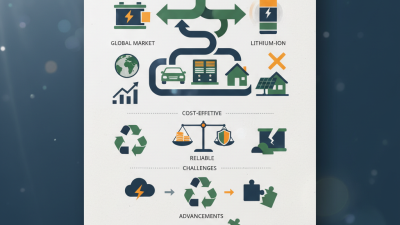
The transition from lithium batteries to lead acid batteries is gaining attention. This shift, or "Lead Acid Replaces Lithium Batteries," aims at exploring a more cost-effective and durable solution. Lead acid batteries have a long history of reliable performance in various applications, yet, concerns about their efficiency and longevity need addressing.
Lead acid batteries hold significant advantages. They are cheaper and widely available. However, they may not match lithium batteries in energy density. Therefore, understanding their limitations is crucial. Battery life can be shorter, requiring regular maintenance. This complicates their use, especially in modern applications demanding high performance.
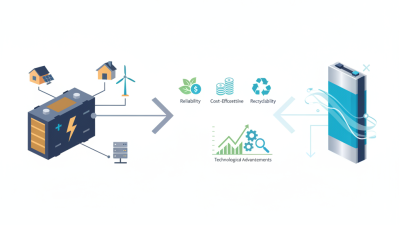
Exploring how lead acid can replace lithium batteries efficiently calls for a balanced approach. Not all scenarios may favor lead acid technology. Innovations in charging methods and battery management systems can enhance performance. Therefore, evaluating the right applications is vital for success. Balancing cost-efficiency and reliability remains the key challenge.

Understanding Lead Acid and Lithium Batteries: A Comparative Overview
Lead acid and lithium batteries represent two distinct technologies with unique advantages and challenges. Lead acid batteries are well-known for their affordability and widespread use in various applications, such as automotive and backup power systems. According to a report by the International Energy Agency, lead acid batteries constitute a significant portion of the global battery market, accounting for about 30% of battery usage. Despite their advantages, lead acid batteries have a lower energy density, often ranging from 30 to 50 Wh/kg, compared to lithium batteries, which can achieve densities exceeding 150 Wh/kg.
On the other hand, lithium batteries are prized for their lightweight and efficiency. Yet, their higher production costs and resource scarcity raise concerns. The global demand for lithium is projected to grow significantly, with estimates indicating a surge to over 1.7 million tons by 2025. This growth prompts discussions about sustainability and recycling, as many lithium batteries have limited lifespans and disposal challenges. Transitioning to lead acid batteries could provide a temporary solution, although issues like shorter cycle life (typically 500-1,000 cycles) and environmental concerns must be carefully considered. Each technology carries implications for performance, environmental impact, and economics, prompting ongoing debate among industry professionals.
Advantages of Lead Acid Batteries in Alternative Applications
Lead acid batteries are gaining traction in various applications. These batteries have unique advantages that can make them a viable alternative to lithium batteries. One significant benefit is their cost-effectiveness. Reports indicate that lead acid batteries can cost up to 40% less than lithium-ion options. This makes them attractive for users on a budget, especially in industrial settings.
Another compelling reason is their robustness. Lead acid batteries can withstand extreme temperatures and handle heavy loads. According to industry data, they maintain performance in temperatures ranging from -40°C to 60°C. This durability ensures longevity and reliability in demanding environments. While they are heavier and bulkier than lithium batteries, their resilience in tough conditions compensates for this drawback.
Charging lead acid batteries is straightforward. They can typically be fully charged in several hours. In contrast, lithium batteries often require complex management systems. However, lead acid batteries do have limitations, like lower energy density. This means they store less energy for the same size compared to lithium alternatives. Users must carefully evaluate their specific needs to choose between these technologies effectively.
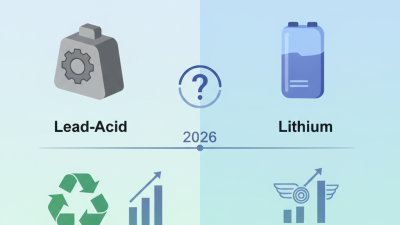
Lead Acid Batteries vs. Lithium Batteries: Performance Comparison
Step-by-Step Guide to Implementing Lead Acid Batteries
When considering lead acid batteries as a substitute for lithium batteries, it’s essential to approach the transition carefully. Begin with evaluating your energy needs. Identify the voltage and capacity requirements of your applications. Lead acid batteries come in various sizes. Matching these specifications helps maintain efficiency.
After gathering the necessary information, inspect the charging system. Lead acid batteries have different charging protocols compared to lithium batteries. A dedicated charger is vital. Mismanagement can lead to shortened battery life or damage. Monitor voltage levels during this phase. Adjustments may be necessary to ensure optimal performance. Regular checks create reliability.
Next, consider real-world applications. Look at the physical weight of lead acid batteries. They tend to be heavier than lithium counterparts. This could affect mobility if used in portable devices. Think about the impact of added weight. Maintenance should also not be overlooked. Lead acid batteries require periodic checks for corrosion. Neglecting this aspect may lead to inefficiencies over time.
Challenges and Solutions for Replacing Lithium with Lead Acid
Replacing lithium batteries with lead-acid alternatives poses distinct challenges. Lead-acid batteries often have lower energy density and shorter cycle life compared to lithium counterparts. For example, lead-acid batteries typically deliver about 30-50 Wh/kg, while lithium batteries can provide up to 250 Wh/kg. This significant disparity limits the application areas of lead-acid batteries, particularly in high-demand sectors like electric vehicles.
Durability is another critical issue. Lead-acid batteries tend to degrade more quickly in deep cycle applications, leading to decreased reliability. Approximately 50% of lead-acid batteries fail prematurely, primarily due to improper charging methods or extreme temperatures. To combat this, regular maintenance practices and advancements in battery management systems are essential. Improved designs, such as absorbed glass mat (AGM) technology, can enhance safety and performance, reducing failure rates.
Recycling poses a unique challenge as well. While lead-acid batteries are recyclable, only about 5% of lithium batteries are currently recycled effectively. This raises environmental concerns, emphasizing the need for improved recycling frameworks for both battery types. As we explore the transition to lead-acid systems, acknowledging these challenges is vital for achieving a viable replacement strategy.
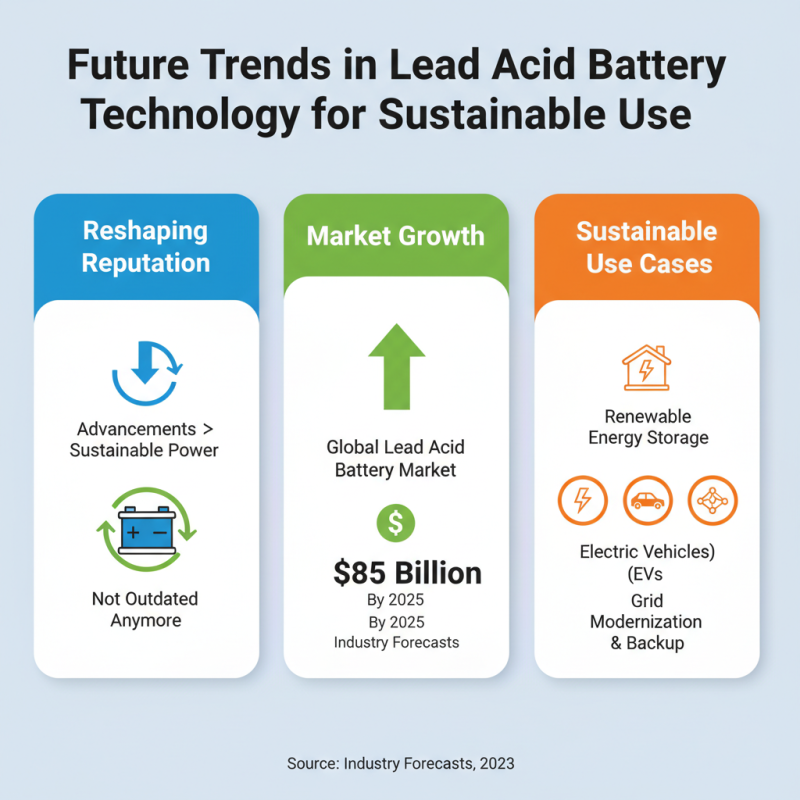
Future Trends in Lead Acid Battery Technology for Sustainable Use
Lead acid batteries are traditionally viewed as outdated compared to lithium batteries. However, recent advancements are reshaping their reputation. The global lead acid battery market is expected to grow significantly, estimated at $85 billion by 2025, according to industry forecasts. This shift highlights their increasing relevance as sustainable power sources in various applications.
Future trends indicate that lead acid battery technology is advancing toward greater efficiency and recycling capabilities. For example, the development of absorbed glass mat (AGM) and gel battery technologies enhances performance. These innovations can provide up to 20% more cycle life than conventional lead acid batteries. Furthermore, the recycling rate stands impressively at 99%, exceeding that of lithium batteries, which raises questions about sustainable practices within the industry.
Despite these advancements, challenges remain. Lead toxicity and disposal regulations pose risks. Addressing these issues is crucial for market acceptance. Ongoing research focuses on improving performance while minimizing environmental impacts. Exploring hybrid systems that integrate lead acid with renewable sources is another avenue worth investigating. The journey is complex, but the potential for sustainable use of lead acid batteries is promising.