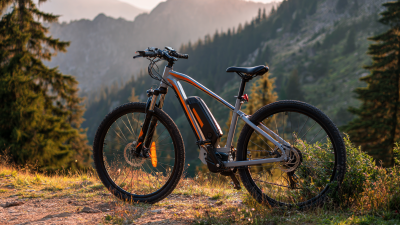
The rise of the lithium bike battery market has transformed the cycling industry. According to recent industry reports, the global lithium-ion battery market is projected to grow by 24% annually through 2026. This growth is driven by increasing demand for electric bikes. As cycling enthusiasts seek longer ranges and shorter charging times, the features of lithium bike batteries become crucial.
Expert in the field, Dr. Sarah Thompson, explains, “Lithium bike batteries have revolutionized the way we think about electric cycling.” Her insights highlight the lightweight nature and efficiency of these batteries. They not only enhance bike performance but also improve the overall riding experience. Yet, some users still face challenges, such as battery lifespan and cost-effectiveness.
The balance between performance and price is essential for consumers. Many lithium bike batteries offer advanced features, but their reliability is often questioned. Thus, it is vital to scrutinize these products before investing. Understanding the intricate details of lithium bike battery technology can lead to more informed choices.
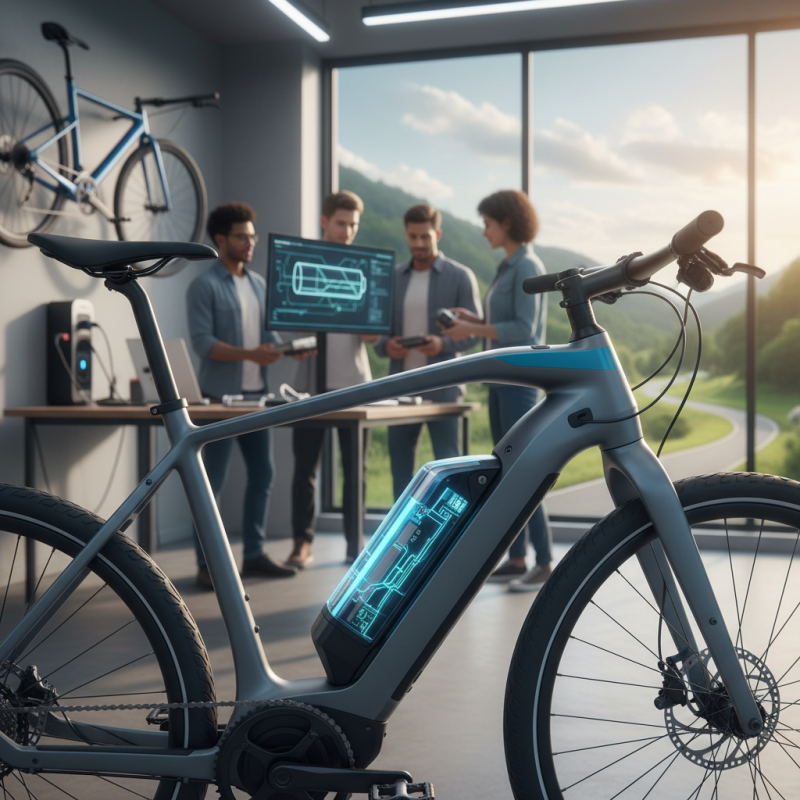
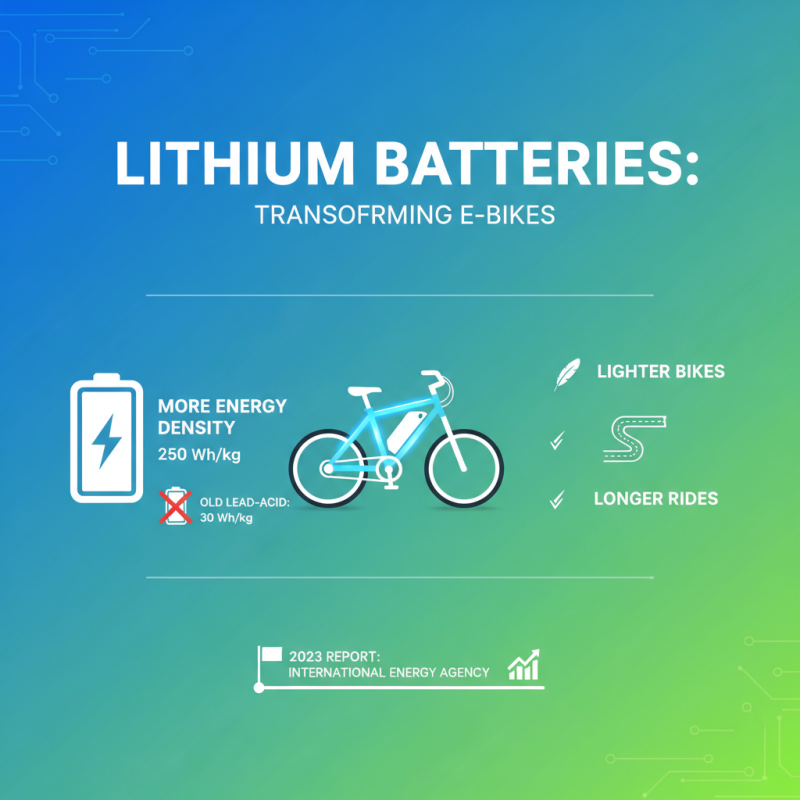
Lithium batteries have transformed the electric bike industry. They offer a compelling combination of features and benefits. One major advantage is their energy density. With higher energy per kilogram, lithium batteries can store more power in a smaller and lighter package. This means lighter bikes and longer rides. According to a 2023 report by the International Energy Agency, lithium batteries can achieve up to 250 Wh/kg. This makes them far superior to traditional lead-acid batteries, which typically provide only 30 Wh/kg.
Moreover, lithium batteries charge faster than their counterparts. A full charge can take just a few hours. This convenience is critical for daily riders who need to recharge quickly. However, charging times can vary greatly depending on the battery quality and charger used. Some users report slower charging, which can be inconvenient. Additionally, lithium batteries generally have a longer lifespan, lasting 2,000-4,000 cycles compared to 500-1,000 cycles for older technologies.
Despite these advantages, there are concerns about safety. Lithium batteries can be prone to overheating and, in rare cases, may catch fire. Proper storage and usage are crucial to minimize risks. Furthermore, they can be more expensive upfront. Many riders find it worth the investment, but the price tag does require careful consideration. As the market evolves, balancing cost, safety, and performance will remain essential for both manufacturers and consumers.
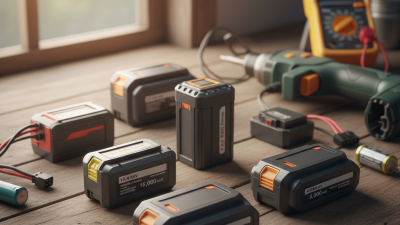
In 2026, e-bike enthusiasts have various lithium battery types to choose from. Each type presents unique features and advantages.
Lithium-ion batteries, known for their efficiency, are the most popular option. They offer high energy density, meaning they can store more power in a lighter package. This attribute is crucial for e-bike performance and range.
Another notable type is Lithium Iron Phosphate (LiFePO4). While heavier, it boasts a longer lifecycle. Users might find this appealing for longevity, but the trade-off is a slightly lower energy capacity. Additionally, these batteries are generally more stable, reducing safety concerns. However, their weight can impact bike handling, which may not suit everyone.
Lastly, Lithium Polymer (LiPo) batteries provide flexibility in design. They can fit into more compact frames, making them ideal for sleek, modern bikes. Yet, they may require more careful handling. Some riders may overlook the importance of maintenance when using LiPo. It’s essential to reflect on how each battery's characteristics align with individual riding styles.
As we look towards 2026, the performance metrics for lithium bike batteries will evolve significantly. Expect advancements in energy density, allowing longer rides without frequent recharging. New technologies will likely enable batteries to sustain higher power outputs, providing riders with boosts during steep climbs. Recharge times will shorten, which means less waiting and more riding.
Battery life is crucial for adventure enthusiasts. In 2026, anticipate cycles that last longer, but be aware that actual longevity may still vary. Factors such as temperature and usage patterns will profoundly affect performance. A battery may not always perform optimally in extreme conditions. Regular maintenance and smart charging habits will be essential to maximizing lifespan.
Safety features are expected to improve as well. Enhanced thermal management systems should help prevent overheating. However, batteries might still face issues in extreme scenarios. It's wise to remember that technology can only do so much. A robust understanding of your battery’s limitations will enhance your biking experience, leading to better decision-making on the road.
The production and disposal of lithium batteries present significant environmental challenges. Mining lithium often leads to water shortages in local communities. Reports indicate that lithium extraction uses up to 2 million liters of water per ton of lithium. This puts immense pressure on already strained water resources.
Disposing of lithium batteries is a complex issue. Many batteries end up in landfills, where they can leak harmful chemicals into the soil and water. According to the Environmental Protection Agency, only around 5% of lithium batteries are recycled properly. This raises concerns about pollution and long-term ecological damage.
Moreover, the lifecycle emissions from lithium battery production are substantial. A recent study found that producing a single lithium-ion battery can generate over 150 kg of CO2 emissions. This number could rise as demand for electric bikes increases. With the global push towards sustainable cycling, these environmental aspects require urgent attention and action.
The future of lithium battery technology for e-bikes looks promising as we approach 2026. Innovations are emerging, aiming to enhance performance and longevity. One notable trend is the development of solid-state batteries. These batteries promise to reduce the risk of overheating and increase energy density. More energy packed within the same size is appealing for e-bike manufacturers.
Another trend involves recycling and sustainability. As e-bikes gain popularity, the demand for sustainable battery solutions grows. Companies are exploring ways to recycle old batteries efficiently. This shift not only conserves resources but also minimizes environmental impact. Yet, the recycling process still faces challenges in terms of efficiency and cost.
Battery management systems are also evolving. Advanced algorithms will improve monitoring and balancing. This can potentially extend battery life and optimize charging cycles. However, the complexity of these systems raises questions about reliability. Users may need to adapt to new technologies, which can take time. Improvements are exciting, but convenience and user-friendliness must not be overlooked.
| Feature | Description | Benefits |
|---|---|---|
| High Energy Density | Offers more power in a lighter battery | Increased range and reduced weight of e-bikes |
| Fast Charging Capability | Battery can charge quickly | Minimizes downtime and maximizes riding time |
| Long Cycle Life | Battery lasts longer with many charge cycles | Cost-effective and environmentally friendly |
| Temperature Resilience | Performs well in a wide range of temperatures | Reliable performance in various weather conditions |
| Safety Features | Includes thermal management and protection circuits | Enhances rider safety and battery durability |
| Modular Design | Rechargeable cells can be easily replaced | Facilitates repairs and prolongs battery lifespan |