Why Choose a 14.4v Lithium Ion Battery Pack for Your Needs?
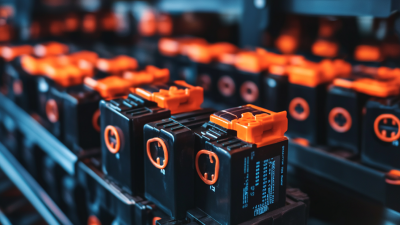
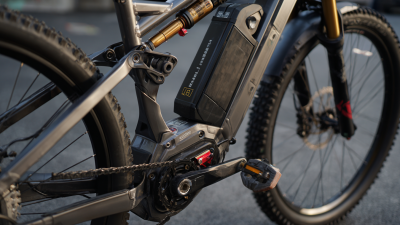
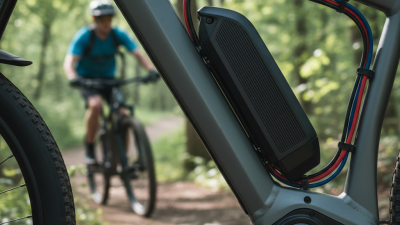
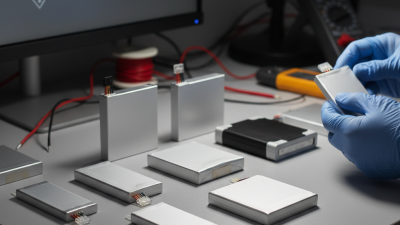
When it comes to choosing a battery pack, the 14.4v Lithium Ion Battery Pack stands out as a reliable option. Its design is suited for a range of applications, from power tools to consumer electronics. This versatility makes it a popular choice among users who seek efficiency and longevity in their devices.
Understanding the benefits of a 14.4v Lithium Ion Battery Pack is essential. These battery packs offer high energy density, meaning they can store more power in a compact size. Moreover, they exhibit low self-discharge rates, ensuring that they retain their charge over time. However, users should be aware of the importance of proper care and maintenance, as degradation can occur if not handled correctly.
As with any technology, there are trade-offs. While 14.4v Lithium Ion Battery Packs are powerful, their performance can diminish if exposed to extreme temperatures or overcharged. Therefore, it's crucial to consider usage patterns and storage conditions. Overall, a thoughtful selection of a 14.4v Lithium Ion Battery Pack can optimize device performance and enhance user experience.
Benefits of Using a 14.4v Lithium Ion Battery Pack in Modern Devices
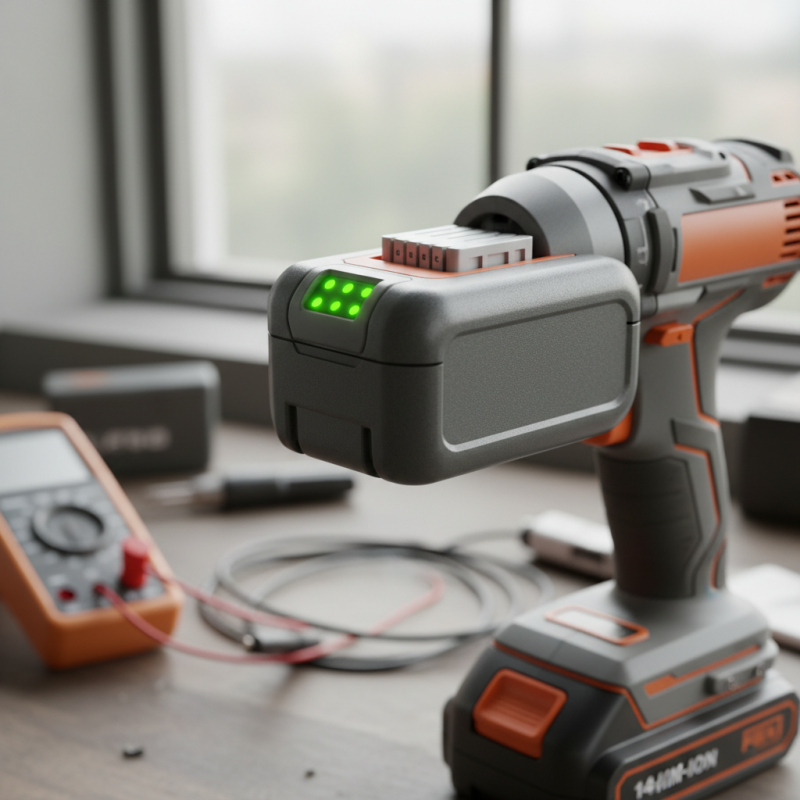
When it comes to powering modern devices, a 14.4v lithium-ion battery pack stands out. These batteries are lighter yet provide substantial energy. They excel in efficiency, giving devices longer runtimes. Users often appreciate their fast charging capabilities, making them convenient for daily tasks.
In terms of reliability, lithium-ion batteries have a longer lifespan compared to traditional options. They can withstand numerous charge cycles. This durability makes them a strong choice for electronics that see heavy use. Moreover, they are less prone to memory effect, retaining their full capacity over time.
**Tip:** Always check the voltage compatibility of your device before purchasing a battery pack. Mismatched voltage can lead to performance issues.
Choosing the right battery can be daunting. Not all devices need a 14.4v pack. Always assess your specific needs before committing.
**Tip:** Consider your device's energy demands. High-drain devices benefit significantly from lithium-ion technology.
Advantages of Using a 14.4V Lithium Ion Battery Pack
Comparison of 14.4v Lithium Ion Batteries to Other Battery Chemistries
When considering battery options, 14.4v lithium-ion batteries stand out for several reasons. They deliver impressive energy density, allowing for longer usage times without frequent recharging. These batteries can provide a stable voltage level throughout their discharge cycle, which is crucial for devices that require consistent power. Unlike nickel-cadmium batteries, which suffer from memory effects, lithium-ion batteries can be recharged at any time without losing capacity.
In comparison with lead-acid batteries, 14.4v lithium-ion packs are lighter and more compact. This is particularly advantageous in portable applications. However, these batteries do require careful management of charging cycles to prevent overheating. They are generally equipped with advanced battery management systems, which enhance safety. Yet, the technology is not entirely foolproof. Users must be vigilant to ensure longevity.
Cost can be a barrier to entry for some. While initial investments are higher than traditional batteries, the long-term benefits often make them worthwhile. Understanding the trade-offs is essential. As technology evolves, more efficient options may emerge, prompting re-evaluation of existing choices. Exploring alternatives is always a wise approach in the rapidly advancing battery landscape.
Comparison of 14.4v Lithium Ion Batteries to Other Battery Chemistries
| Battery Chemistry |
Energy Density (Wh/kg) |
Cycle Life (Cycles) |
Self-Discharge Rate (%) |
Charge Time (hrs) |
Applications |
| 14.4v Lithium Ion |
150-200 |
500-2000 |
1-5% |
2-4 |
Power Tools, Electric Vehicles |
| Lead Acid |
30-50 |
200-300 |
5-15% |
8-16 |
Automotive, Backup Power |
| NiMH |
60-120 |
300-500 |
20-30% |
3-6 |
Consumer Electronics, Hybrid Vehicles |
| LiFePO4 |
90-120 |
2000-5000 |
3-5% |
4-6 |
Solar Energy Storage, Electric Vehicles |
Performance Metrics: Why 14.4v Lithium Ion is Ideal for High-Drain Applications
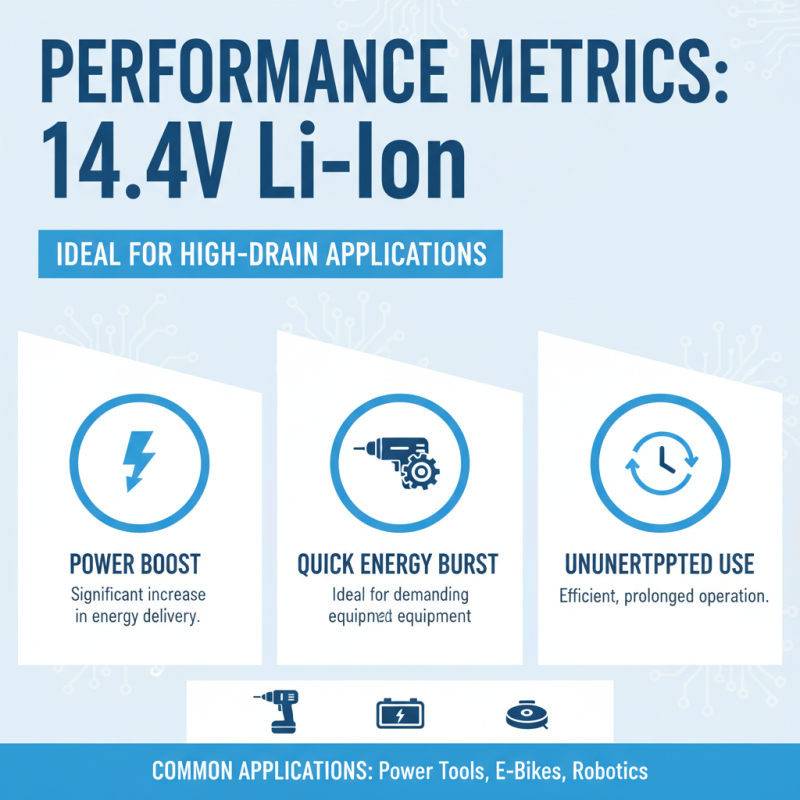
When considering a battery pack for high-drain applications, the 14.4v lithium-ion battery stands out. This voltage level provides a significant boost in power. It is often used in tools and devices that require a quick burst of energy. With this battery, you can efficiently power high-demand equipment without frequent interruptions.
The performance metrics of a 14.4v lithium-ion battery are impressive. These batteries offer high energy density, meaning they store a lot of energy in a small size. In situations like drilling or saw cutting, the battery maintains consistent voltage. It can deliver power much better than lower voltage alternatives. However, some users may find the initial cost daunting. This upfront investment can lead to long-term savings due to better performance and longevity.
Another point to reflect on is the battery's lifespan. While lithium-ion batteries generally have a good cycle life, factors like temperature and charging habits can affect performance. Users need to be aware that undercharging or overcharging can shorten the lifespan. It's essential to monitor usage and adapt your charging practices accordingly.
Cost-Effectiveness: Analyzing the Lifespan and Replacement Frequency
When considering energy sources, 14.4v lithium-ion battery packs stand out for their cost-effectiveness.
These batteries often have a longer lifespan compared to traditional alternatives. Users typically see up to
500 charge cycles before a noticeable decline in performance.
This longevity means fewer replacements, reducing long-term costs significantly.
However, it is important to acknowledge that not all lithium-ion batteries are created equal. Variability in quality can affect performance and lifespan.
Poor manufacturing processes may lead to a product that fails prematurely. Users must do their research to ensure they are investing wisely.
Additionally, while initial costs may seem higher, the reduced frequency of replacement makes them a smart choice over time.
Costly and frequent purchases of inferior batteries can quickly add up.
Balancing upfront investment against the durability of a quality 14.4v lithium-ion battery pack is crucial for making an informed decision.
Environmental Impact: Recycling and Sustainability of Lithium Ion Technologies
The environmental impact of lithium-ion technologies is a critical issue. These batteries are widely used and highly efficient. However, their production and disposal raise questions about sustainability. One major concern is the extraction of raw materials. Mining for lithium, cobalt, and nickel can cause habitat destruction and water pollution. This process often affects local communities and ecosystems.
Recycling offers a pathway to mitigate some of these concerns. Many components of lithium-ion batteries can be reclaimed and reused. Effective recycling systems can reduce the demand for new raw materials. However, many consumers are unaware of how to recycle these batteries properly. There is still a need for more comprehensive recycling programs and public education. The technology for recycling is improving, but challenges remain in terms of cost and efficiency.
Sustainability is not just a buzzword; it requires collective effort. Developing a circular economy for lithium-ion batteries is crucial. This means rethinking production and consumption patterns. It also involves encouraging manufacturers to adopt more sustainable practices. The journey towards a more sustainable future is complex and requires ongoing reflection. Every step taken matters in this transition.