How to Choose High Capacity Lithium Battery for Global Supply?
Choosing a high capacity lithium battery for global supply involves careful consideration of multiple factors. According to Dr. Emily Carter, a renowned expert in battery technology, "The right battery can significantly impact performance and sustainability." Her insights guide us in navigating this complex industry.
High capacity lithium batteries are essential for many applications, from electric vehicles to renewable energy storage. Selecting the appropriate battery requires knowledge of chemistry, manufacturing processes, and market demands. Various manufacturers offer different specifications, making informed choices crucial.
However, not all batteries labeled as high capacity deliver the expected performance. It’s imperative to scrutinize specifications and seek reliable suppliers. Exploring newer technologies and recycling options is also vital for sustainability. The path to choosing the right battery can be challenging, with many variables to consider.

Importance of High Capacity Lithium Batteries in Global Supply Chains
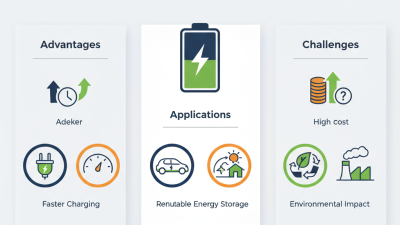
High capacity lithium batteries play an essential role in global supply chains. These batteries are critical for various applications, including electric vehicles (EVs) and renewable energy storage. According to a recent report by the International Energy Agency, global demand for lithium batteries is projected to increase by 20% annually through 2030. This surge highlights the need for robust supply chains that can support higher production capacities.
The importance of reliable lithium battery sourcing cannot be overstated. As industries become more dependent on sustainable energy sources, the demand for high capacity batteries will rise significantly. A 2022 study by BloombergNEF revealed that the capacity of lithium-ion batteries is expected to reach 3,200 GWh by 2030. However, supply chain disruptions can lead to greater risks, affecting both cost and availability. Such uncertainties require companies to rethink their battery sourcing strategies.
When evaluating suppliers, factors like production capability and material sourcing are crucial. Transparency in the supply chain is vital to ensure that companies mitigate risks effectively. Reports from industry analysts indicate that 70% of battery manufacturers face challenges related to raw material acquisition. Ensuring a diverse supplier base may help in alleviating these concerns.
How to Choose High Capacity Lithium Battery for Global Supply? - Importance of High Capacity Lithium Batteries in Global Supply Chains
| Dimension |
Specification |
Importance |
Application |
| Capacity (Ah) |
100-300 Ah |
Higher capacity ensures longer usage periods, reducing the need for frequent charging. |
Electric vehicles, renewable energy storage. |
| Voltage (V) |
3.6-4.2 V |
Understanding voltage helps in compatibility with different systems and applications. |
Consumer electronics, industrial machines. |
| Cycle Life |
500-2000 cycles |
Longer cycle life reduces total cost of ownership. |
Grid energy storage, electric bikes. |
| Weight (kg) |
10-40 kg |
Lightweight options enhance portability. |
Portable devices, drones. |
| Temperature Range (°C) |
-20 to 60 °C |
Wider temperature range increases versatility in various environments. |
Outdoor applications, extreme condition environments. |
Key Factors to Consider When Selecting High Capacity Lithium Batteries
Selecting high capacity lithium batteries involves evaluating several key factors.
Capacity is paramount, but it's not the only consideration. Users should assess the specific energy requirements of their applications. Understanding whether the battery will support high discharge rates or long run times is crucial. Check the battery’s cycle life and its performance under different temperatures.
Another critical factor is safety. High capacity lithium batteries can pose risks if not managed properly. Look for batteries with built-in protection circuits against overcharging and short circuits. The materials used in battery construction also matter. High-quality materials ensure reliability and longevity.
Cost is always a factor, but it shouldn’t be the only driver. Sometimes, cheaper options compromise safety or lifespan. It’s necessary to weigh the initial cost against long-term performance and durability. Real-world testing and user feedback can offer insights. Engaging with a community of users can help highlight potential pitfalls or unexpected challenges.
Assessment of Battery Chemistry: Lithium-Ion vs Lithium Polymer
When evaluating battery chemistry,
lithium-ion and lithium polymer offer distinct advantages.
Lithium-ion batteries typically provide higher energy density. They can store more energy in a smaller space.
This makes them a popular choice for devices requiring long-lasting power, such as smartphones and laptops.
On the other hand, lithium polymer batteries are lightweight and can be molded into various shapes.
This flexibility allows for innovative designs in compact electronic devices.
However, both battery types have their downsides.
Lithium-ion batteries can suffer from thermal issues if not managed properly.
They may pose safety risks if they overheat. Conversely, lithium polymer batteries often come with higher costs despite their versatility.
They may also have a shorter lifespan under heavy use.
It’s essential to consider these factors when making your selection.
When choosing between them, reflect on your specific needs.
Think about the application and design constraints. Consider weight, cost, and safety.
Understanding the pros and cons can help you make an informed decision.
Finding the right balance often requires further research and careful consideration.
Evaluating Manufacturer Reliability and Supply Chain Stability
Choosing a reliable manufacturer for high-capacity lithium batteries is crucial for global supply stability. Recent industry reports indicate that supply chain disruptions increased by 30% in the last year alone. Companies should prioritize manufacturers with proven track records and strong financial health. Assessing a manufacturer's certification and adherence to international standards can help ensure quality and reliability.
A well-established manufacturer often has robust processes to handle supply chain uncertainties. It's essential to explore their sourcing strategies and raw material availability. A report by the International Energy Agency highlights that nearly 70% of lithium supply comes from only a few countries. This concentration can lead to vulnerabilities in supply chains. Look for manufacturers who diversify their sources and have contingency plans in place.
When evaluating a potential partner, consider their sustainability practices. Manufacturers adhering to environmental standards tend to have better reputations. Additionally, a transparent communication process indicates reliability. Engage with industry experts and seek reviews from existing clients to gauge trustworthiness.
It can be tempting to choose the lowest-cost option, but this may not always ensure reliability. Companies should weigh cost against the potential risks of supply chain failures. Building long-term relationships with dependable manufacturers can yield better outcomes.
High Capacity Lithium Battery Manufacturer Reliability
Global Market Trends and Future Projections for Lithium Battery Demand
The global demand for lithium batteries is rapidly increasing. This surge is driven by various sectors, including electric vehicles, renewable energy storage, and consumer electronics. Market analysts predict that this trend will continue as more countries emphasize sustainability and reduce carbon emissions. The transition to electric mobility is a key factor influencing future projections for lithium battery demand.
Industry experts note several challenges in meeting this demand. Sourcing raw materials, such as lithium and cobalt, raises concerns about environmental impacts and ethical mining practices. Supply chain disruptions can also affect battery production. Not all suppliers have sustainable practices in place, leading to potential risks for manufacturers. It's crucial to evaluate supply chains thoroughly.
Companies should consider factors beyond simple capacity metrics. The efficiency and lifecycle of a battery are equally important. A high-capacity battery may not be the best choice if it has a short lifespan or poor performance under varying temperatures. Decision-makers must reflect on the balance between capacity, sustainability, and reliability. Investing in research and development can help address these gaps.