10 Essential Tips for Choosing Lithium Batteries for Electric Bikes?
Choosing the right lithium batteries for electric bikes is crucial for performance and safety. With numerous options on the market, it can be daunting to find the ideal fit. Understanding battery chemistry, capacity, and compatibility is essential. This knowledge helps you avoid common pitfalls.
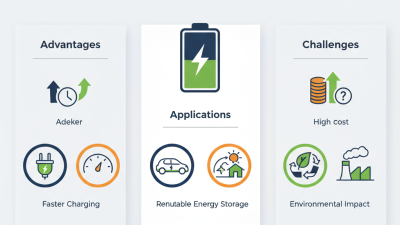
Quality lithium batteries for electric bikes can enhance your riding experience. They provide longer ranges and faster charging times. However, not all batteries are created equal. Some cheaper options may compromise safety or longevity. It's vital to invest in reputable brands, as they offer better warranties and support.
Many riders overlook important factors like weight and configuration. A lighter battery can improve handling, while the right size ensures a proper fit. More isn’t always better; sometimes, a smaller battery is adequate. Take time to assess your needs and riding style before making a decision. This choice can significantly impact your electric biking journey.
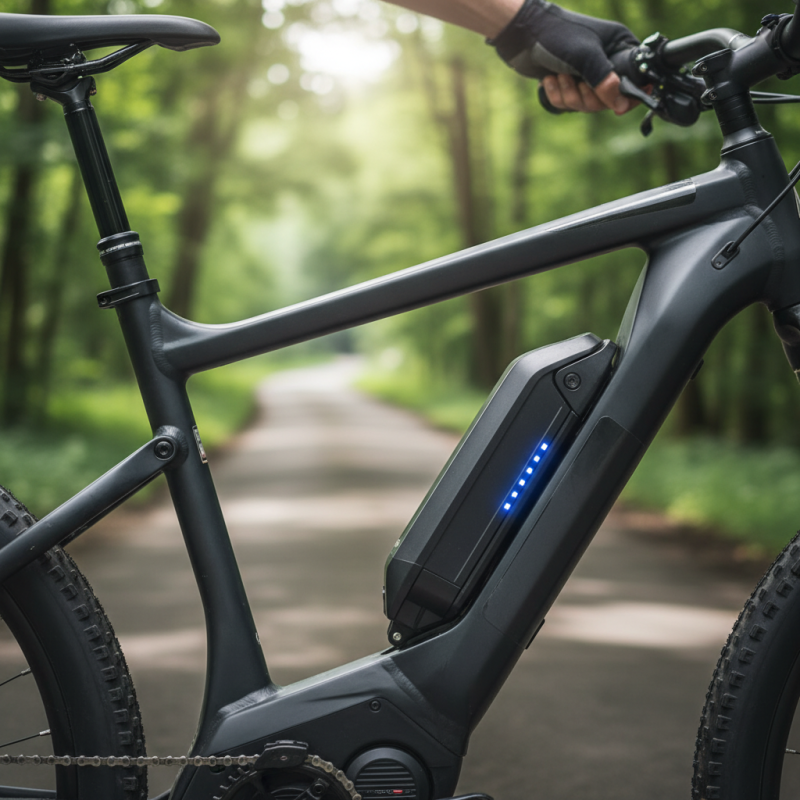
Understanding Lithium Battery Basics for Electric Bikes
When considering lithium batteries for electric bikes, understanding the basics is crucial. Lithium batteries are popular due to their lightweight and high energy density. Typically, they provide around 250-700 Wh of energy, allowing for longer range rides compared to lead-acid alternatives. According to a report by the Global Battery Alliance, over 70% of electric bike manufacturers choose lithium-ion technology for their bikes, highlighting its growing dominance in the market.
Battery lifespan is another key aspect. Most lithium batteries last between 500 to 1,500 charge cycles. This means if you charge your battery daily, it could last around one to five years. However, not all lithium batteries are created equal. Quality can vary significantly, impacting both performance and safety. A study by the International Energy Agency found that poor-quality batteries account for 15% of battery failures, which is a risk to both riders and devices.
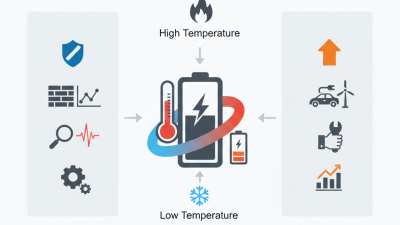
Charging practices play an important role in battery longevity. Optimal charging should occur at room temperature. Extreme temperatures can negatively affect battery efficiency. Regular maintenance checks are essential as well. Scrutinizing the battery for signs of damage or swelling can prevent hazardous situations. Ignoring these factors could lead to battery failure, decreased performance, and even safety hazards. This imperfect understanding of battery management demonstrates the need for greater consumer education on lithium battery care.
Factors to Consider for Electric Bike Battery Capacity
When selecting a lithium battery for your electric bike, battery capacity stands out as a critical factor. This capacity, typically measured in amp-hours (Ah), dictates how long your bike can run before needing a recharge. Research indicates that the ideal battery capacity for most electric bikes ranges from 10Ah to 20Ah. However, this can vary depending on your riding style and distance.
Different riders have unique needs. Commuters may prefer a battery with higher capacity for longer daily rides. Conversely, casual riders might opt for a smaller, lighter battery. A study from the Battery University highlights that a 36V system with 12Ah provides an average range of 25 to 40 miles per charge under various conditions. Yet, factors such as terrain and rider weight can significantly influence these numbers.
One must also consider the battery's energy density. Higher energy density batteries deliver more power without increasing weight. This aspect is crucial for cycling performance. Furthermore, while larger batteries may offer more mileage, they can also add considerable weight. Striking the right balance between capacity and weight is essential. Ultimately, understanding your specific needs and reviewing various capacity options can lead to a more tailored and enjoyable riding experience.
Importance of Voltage Ratings in Lithium Batteries
When selecting lithium batteries for electric bikes, understanding voltage ratings is crucial. Voltage impacts performance and efficiency. A battery with an appropriate voltage rating allows for optimal power delivery to the bike’s motor. If the voltage is too low, the bike may struggle to reach speeds. If too high, it can overheat or damage the motor.
Moreover, it's essential to consider the bike's overall design. The bike’s controller and motor must match the battery’s voltage. An incompatible voltage can lead to poor performance and potential safety hazards. Many users overlook this aspect. They focus mainly on capacity, ignoring how voltage affects daily use.
While shopping, always verify specifications. It's wise to consult with experienced riders. They can offer insights on the best voltage for specific biking needs. Despite the abundance of information available, not all resources are reliable. Some may misrepresent technical details. Beware of vague advice that doesn't explain the implications of voltage ratings. Focus on clear, factual information. This will enhance decision-making for a safe and enjoyable ride.
Voltage Ratings in Lithium Batteries for Electric Bikes
Evaluating Battery Lifespan and Cycle Durability
When choosing lithium batteries for electric bikes, understanding battery lifespan and cycle durability is crucial. A study by the International Energy Agency indicates that the average lifespan of a lithium battery can range from 500 to 2,000 charge cycles. Each cycle represents a full discharge and recharge. Choosing a battery with higher cycle durability ensures that it remains effective over time. It is important to remember that environmental factors, such as temperature and usage patterns, can significantly impact these averages.
Research indicates that lithium-ion batteries tend to degrade faster in extreme conditions. For instance, extreme heat can shorten their lifespan by nearly 30%. Regular usage patterns, like frequent deep discharges, also play a role. A deeper discharge may provide more immediate range but could lead to quicker wear. Therefore, selecting a battery with a well-researched thermal management system can add years to its life.
Another aspect to consider is the battery’s chemistry. Different lithium compounds, such as lithium nickel manganese cobalt oxide (NMC), offer various benefits. NMC batteries may offer better stability but often come at a higher price point. It's essential to weigh the benefits of longevity against budget constraints. Ultimately, making a fully informed decision can enhance the e-bike experience and improve overall performance.
10 Essential Tips for Choosing Lithium Batteries for Electric Bikes
| Tip |
Battery Type |
Average Lifespan (Years) |
Cycle Durability (Cycles) |
Weight (kg) |
| Choose the Right Chemistry |
Lithium-Ion |
5 |
500 |
2.5 |
| Check Capacity |
Lithium Polymer |
4 |
600 |
2.0 |
| Evaluate Brand Reputation |
Lithium Iron Phosphate |
8 |
2000 |
5.0 |
| Analyze Warranty Options |
NMC (Nickel Manganese Cobalt) |
6 |
1000 |
3.5 |
| Consider Temperature Resistance |
Lithium Titanate |
10 |
3000 |
6.0 |
Choosing the Right Battery Weight for Performance and Handling
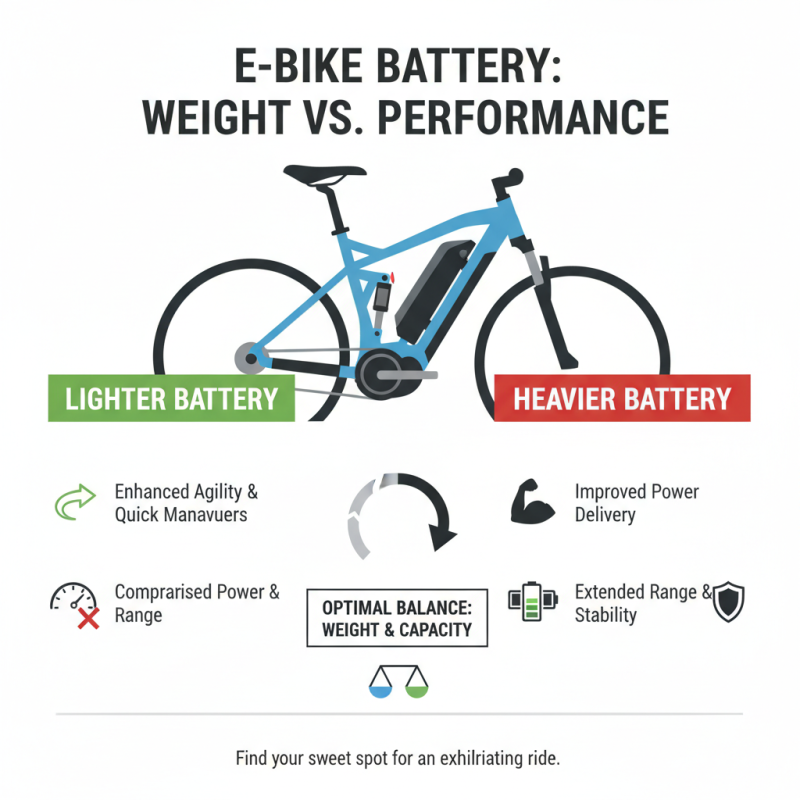
When selecting a lithium battery for your electric bike, weight plays a crucial role in performance and handling. A lighter battery enhances agility, allowing for quicker maneuvers. However, too light can compromise power delivery and range. Striking a balance between weight and capacity is essential for an optimal riding experience.
Consider your cycling habits. If you frequently tackle steep hills, a heavier battery with higher capacity may be ideal. But remember, heavier batteries affect maneuverability. They can lower your bike's center of gravity, making it less stable during sharp turns. Take time to evaluate how the weight impacts your ride.
Testing different setups can reveal surprising insights. You might find a heavier battery gives you more consistent power, while a lighter one feels more dynamic. Experimenting with various weights is key. Each rider has unique preferences, and finding your perfect match can enhance your overall biking experience.