Why Are Lead Acid Batteries Replacing Lithium Batteries?
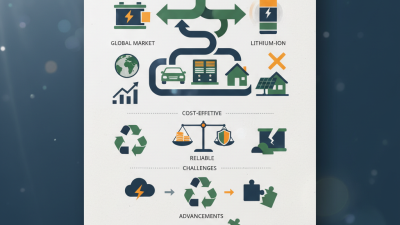
The shift in battery technology is gaining momentum. Lead acid replaces lithium batteries in various applications, driven by their affordability and reliability. According to industry reports, the global lead-acid battery market was valued at $54 billion in 2022, highlighting its robustness.
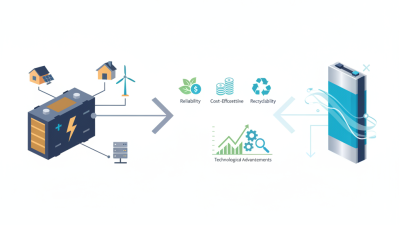
Despite lithium batteries being favored for some technologies, lead acid batteries shine in specific sectors. They are preferred in automobiles, industrial applications, and renewable energy storage. Their cost-effective nature often outweighs lithium’s benefits. A study by BNEF suggests lead-acid batteries could hold over 40% of the market share by 2025, underscoring their resurgence.
While lithium batteries are acknowledged for efficiency, concerns about recycling and resource scarcity loom large. Lead acid batteries offer easier recycling, with a recovery rate of over 95%. This makes them an attractive option, particularly for economies focusing on sustainable practices. The choice of lead acid over lithium becomes a complex debate rooted in practicality and environmental considerations.

Advantages of Lead Acid Batteries Over Lithium Batteries
Lead acid batteries are making a comeback in certain applications, offering distinct advantages over lithium batteries. One significant benefit is their cost-effectiveness. According to a recent industry report, lead acid batteries can be produced for nearly half the price of lithium alternatives. This makes them appealing for budget-conscious projects, especially in developing regions.
Another noteworthy aspect is the recycling potential of lead acid batteries. Data indicates that over 95% of lead acid batteries are recycled, yielding a closed-loop system that minimizes waste. In contrast, lithium battery recycling rates remain significantly lower, often requiring complex processes. This leads to environmental concerns, as improper disposal can harm ecosystems.
Lead acid batteries also excel in performance under extreme conditions. Research shows they provide reliable power in high-temperature environments and have a longer discharge time in certain applications. However, their weight and lower energy density can be limitations. These factors prompt users to carefully consider their choices. Balancing cost, environmental impact, and performance is crucial in battery selection.
Cost Comparison: Lead Acid vs. Lithium Battery Technologies
The choice between lead acid and lithium batteries often hinges on cost. Lead acid batteries are typically much cheaper upfront. Their production is simpler, relying on established technology. However, this low initial cost can be misleading. Lead acid batteries generally have a shorter lifespan. They usually need replacing every few years.
Lithium batteries, while more expensive, offer longer life and better performance. They also charge faster and provide more energy density. Over time, the superior longevity of lithium batteries can outweigh the upfront cost. The overall value can surpass that of lead acid batteries.
Cost assessment must consider maintenance and disposal. Lead acid batteries demand more frequent replacements. Their environmental impact adds cost to their long-term use. In contrast, lithium batteries, while more expensive at purchase, become more cost-effective in the long run due to their efficiency. Choosing the right option depends on specific needs and financial considerations.
Cost Comparison: Lead Acid vs. Lithium Battery Technologies
This chart compares the average cost per kWh of Lead Acid and Lithium batteries. Lead Acid batteries are significantly cheaper, which could explain their growing popularity in certain applications despite the higher energy density and longer lifespan of Lithium batteries.
Environmental Impact of Lead Acid and Lithium Batteries
The environmental impact of lead acid and lithium batteries shows significant differences. Lead acid batteries have been around for over a century. They are 97% recyclable, according to the Battery Council International. This recycling rate highlights their environmental potential. However, they can release lead, a toxic metal, into soil and water if not managed properly.
On the other hand, lithium batteries pose different challenges. The production process is more energy-intensive. According to a report from the International Energy Agency, lithium extraction can harm water supplies. Moreover, the disposal of lithium batteries has raised concerns. They contain hazardous materials that can leak into the environment. Current recycling methods for lithium batteries are not yet efficient.
As we consider battery choices, the long-term environmental effects cannot be overlooked. Lead acid batteries are better recycled. But we must improve their handling. Lithium batteries are more eco-friendly in performance. However, their production and disposal present serious challenges. Balancing these factors is key for sustainable energy solutions.
Performance Factors Influencing Battery Choice in Various Applications
Lead acid batteries are gaining traction in various applications due to their performance factors. Their ability to deliver high surge currents makes them suitable for starting engines and powering vehicles. Reported data shows that lead acid batteries can provide up to 2000 amps for a few seconds, which is critical in heavy-duty scenarios. This attribute contrasts sharply with lithium batteries, which may struggle under similar conditions.
Costs also play an essential role in battery selection. The average price for lead acid batteries is significantly lower than that of lithium counterparts. According to market reports, lead acid batteries can cost about $150 per kWh, while lithium batteries average around $500 per kWh. This price differential makes lead acid a more accessible choice for small-scale applications and budget-conscious projects.
However, performance issues such as weight and cycle life must be addressed. Lead acid batteries are heavier, which can be a limitation in portable applications. Consequently, assessing the right battery involves a delicate balance between weight, cost, and performance. In some instances, the shorter lifespan of lead acid batteries—approximately 3 to 5 years—can lead to higher overall costs. Thus, thoughtful consideration is crucial in determining the best option for specific energy needs.
Market Trends: Lead Acid Battery Demand vs. Lithium Battery Demand
The shift toward lead acid batteries is evident in various sectors. Demand for lead acid batteries has surged in industries like automotive and energy storage. Their robustness and cost-effectiveness make them highly appealing to manufacturers. They often outperform lithium batteries in scenarios requiring deep cycling and high discharge rates.
On the other hand, lithium battery demand remains strong, especially in portable electronics and electric vehicles. These batteries are lighter and have a higher energy density. However, concerns about supply chain stability and recycling processes for lithium batteries are growing. Such issues have prompted businesses to reconsider their energy storage strategies.
While lead acid batteries may not be as innovative as lithium types, they offer reliable performance and a well-established recycling infrastructure. This balance of pros and cons leads industries to reflect on their choices. As markets evolve, familiarity and proven reliability of lead acid batteries could reshape energy storage trends. This shift warrants careful consideration from all stakeholders.
Why Are Lead Acid Batteries Replacing Lithium Batteries? - Market Trends: Lead Acid Battery Demand vs. Lithium Battery Demand
| Year |
Lead Acid Battery Demand (Million Units) |
Lithium Battery Demand (Million Units) |
Growth Rate (Lead Acid %) |
Growth Rate (Lithium %) |
| 2020 |
150 |
200 |
4% |
8% |
| 2021 |
156 |
220 |
4% |
10% |
| 2022 |
162 |
250 |
4% |
14% |
| 2023 |
168 |
280 |
4% |
12% |