Who Are the Top Bicycle Lithium Battery Suppliers in China?
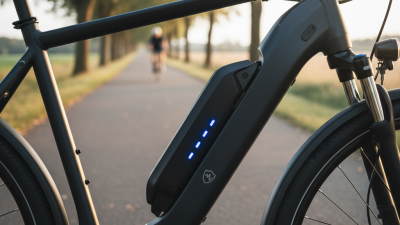
China’s bicycle supply chain is large, but choosing a battery partner takes more than comparing factory prices. A Bicycle Lithium Battery must balance usable range, weight, cycle life, safety, and dependable after-sales support. Small differences matter: a poorly matched battery can shorten a ride or leave a rider waiting for service.
Market figures offer context, not a ready-made supplier ranking. BloombergNEF’s 2023 Lithium-Ion Battery Price Survey reported an average pack price of $139 per kilowatt-hour across applications. That figure is not a bicycle-battery quote; pack size, cell grade, protection systems, and order volume all change the final cost. Numbers need context. Meanwhile, the International Energy Agency’s Global EV Outlook 2024 documents rapidly expanding battery demand in electric mobility, but its data mainly covers cars and other larger vehicles. Bicycle buyers should not treat those figures as direct evidence of e-bike battery quality.
So, who are China’s leading suppliers? This guide compares manufacturers by product range, production capability, quality controls, customization, and customer support. It also separates cell makers from battery-pack assemblers, a distinction that can disappear in sales brochures. That matters. A low quotation may look attractive, yet offer limited traceability or unclear warranty terms. Buyers should verify specifications, certifications, and service arrangements directly with each supplier. Even strong companies have trade-offs. The aim here is a practical shortlist, not a promise that one supplier fits every bicycle, market, or riding style.
Define China’s E-Bike Battery Market: 25 km/h Speed and 400 W Motor Limits
For China’s standard electric-bicycle category, product design is shaped by a maximum design speed of 25 km/h and rated continuous motor output of no more than 400 W. These are classification requirements, not just figures for a product sheet. They affect testing, documentation, and how the motor, controller, and battery work together.
In practice, battery suppliers need to match pack voltage and current delivery to the vehicle’s approved configuration. The controller must also cut motor assistance at the required speed. It sounds simple. It isn’t. A pack that performs well in a bench test may behave differently on a steep road or during repeated starts, so real-world testing matters. Peak output should not be confused with rated continuous motor power.
When assessing a supplier, buyers can ask for test records, battery-management-system protections, and traceability for cells and production batches. Check that the documents correspond to the exact pack and vehicle configuration being offered. Requirements and interpretations can change, so confirm the applicable standard before production or export. Small differences in wiring or controller settings can matter. They are easy to overlook.
China E-Bike Standard: Speed and Motor-Power Limits
Key limits under China’s GB 17761-2018 electric-bicycle safety standard—not supplier or battery-performance rankings.
The standard sets a maximum design speed of 25 km/h and a maximum rated motor power of 400 W for electric bicycles. These are separate regulatory limits, shown on separate chart scales.
Identify Major Suppliers: EVE Energy, Phylion, Tianneng, BAK, and Lishen
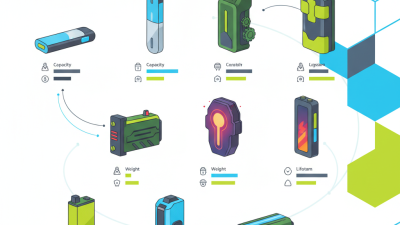
China’s bicycle lithium-battery market includes established cell manufacturers and pack specialists. Some serve several mobility sectors; others focus on e-bike packs, battery management, and compact enclosures. Their strengths differ. Cell consistency, thermal controls, production capacity, and customization are not interchangeable. A familiar supplier profile alone proves little. Fit matters.
When comparing suppliers, ask how cells are traced and how capacity and cycle life are tested. Confirm operating temperature limits and written warranty terms. Request a sample pack. Inspect its welds, cable strain relief, connector fit, and casing seams. Ask who handles after-sales diagnosis. Datasheets can look polished; field performance is less tidy. I may be giving paperwork too much weight, but clear records make comparisons more objective.
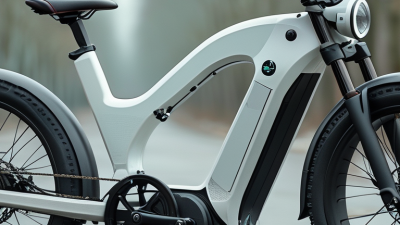
Tips: Match pack voltage and capacity to the bicycle controller and intended daily range. Check the frame fit in person, not only against a drawing. Ask how weak cells are detected before shipment. Small details matter.
Compare Pack Specifications: 36 V × 10 Ah Equals 360 Wh
A 36 V × 10 Ah bicycle battery has a nominal energy rating of 360 Wh. The calculation is simple: voltage multiplied by amp-hours. But that number is not a promise of usable energy or riding distance. The motor load, terrain, rider weight, temperature, and controller settings all affect consumption. Small details matter.
When comparing Chinese suppliers, check whether 36 V refers to nominal pack voltage and ask how capacity is measured. Review the cell configuration, battery management system limits, discharge current, and low-voltage cutoff.
Request test conditions, not just a capacity figure on a datasheet. A sample label, pack dimensions, connector type, and weight can also reveal practical differences between otherwise similar offers. If possible, compare independent test results with the supplier’s stated capacity.
Still, this comparison is imperfect: two packs rated at 360 Wh may perform differently under the same load. A clear specification is a useful starting point, not the whole assessment.
Assess Suppliers by Cell Chemistry, BMS, Quality, and Production Capacity
A strong bicycle lithium battery supplier should explain its cell chemistry in practical terms. Lithium iron phosphate cells can offer stable cycle life, while nickel-rich cells may provide greater energy density in a smaller pack. The right choice depends on frame space, expected range, weight, and charging habits. Ask for cell specifications and traceable batch records, not just a chemistry label. Small details matter.
The battery management system deserves equal scrutiny. Check whether it monitors cell voltage and temperature, balances cells, and limits current during charging and riding. Ask how it responds to a hot enclosure or an imbalanced cell, and request test records for the actual battery configuration. A polished sample can still hide inconsistent protection settings. I would want to see the settings and the test method.
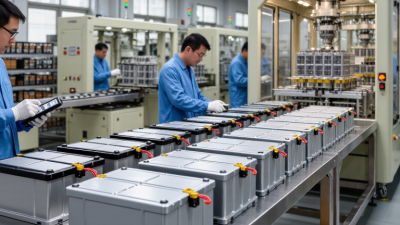
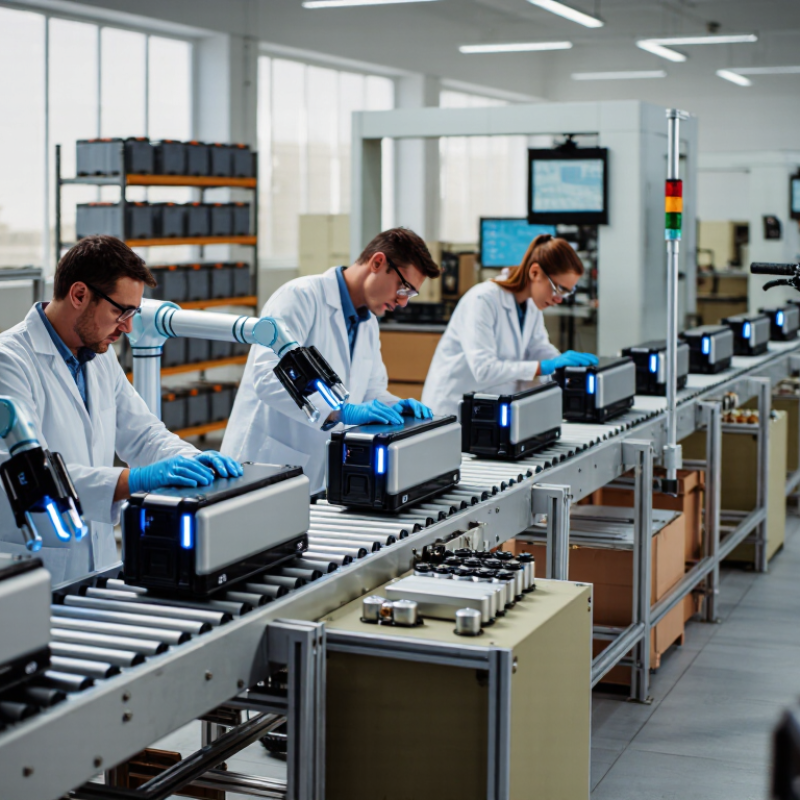
Quality and production capacity are best judged together. Review incoming-cell checks, welding consistency, insulation, and aging-test records; look for repeatable results across multiple batches. Visit the facility if possible, or ask for a live production walkthrough and recent capacity data. A large stated output is not proof of reliable delivery. Compare pilot-batch results with later orders, and check how the supplier handles defects. No checklist catches everything, but clear evidence makes the remaining uncertainty easier to discuss.