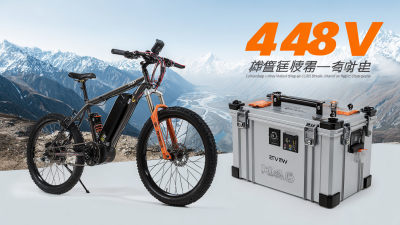
China Top Hailong Ebike Battery Manufacturer?
Choosing a China Top Hailong Ebike Battery Manufacturer requires more than comparing prices or product photos. The Hailong Ebike Battery format is popular because its slim case fits many commuter and city-bike frames. However, the housing alone does not determine performance. Cell quality, battery management software, wiring, charging protection, and assembly control matter equally.
A reliable manufacturer should explain its production process clearly. Ask about cell brands, nominal voltage, capacity testing, cycle-life records, and BMS protection. Good suppliers can provide sample reports, traceable production information, and practical warranty terms. They should also support recognized safety requirements for the target market. Documentation is important, but real communication matters too. A technical team that answers detailed questions usually inspires more confidence than a polished catalog.
This guide examines how to evaluate leading Chinese suppliers without relying on unsupported rankings. It considers customization, waterproofing, connector options, mounting rails, charger compatibility, and after-sales service. Factory experience is useful. Independent testing is better. Even an experienced supplier may have inconsistent batches, delayed responses, or limited support in unfamiliar markets. That possibility deserves honest attention.
Look closely at sample units. Check the case seams, lock mechanism, charging port, cable finish, and label accuracy. Request capacity testing under realistic load conditions. A battery that performs well on paper may behave differently on a steep road or during winter commuting. The best choice balances verified safety, stable quality, reasonable cost, and dependable long-term cooperation. Fancy claims are not enough.
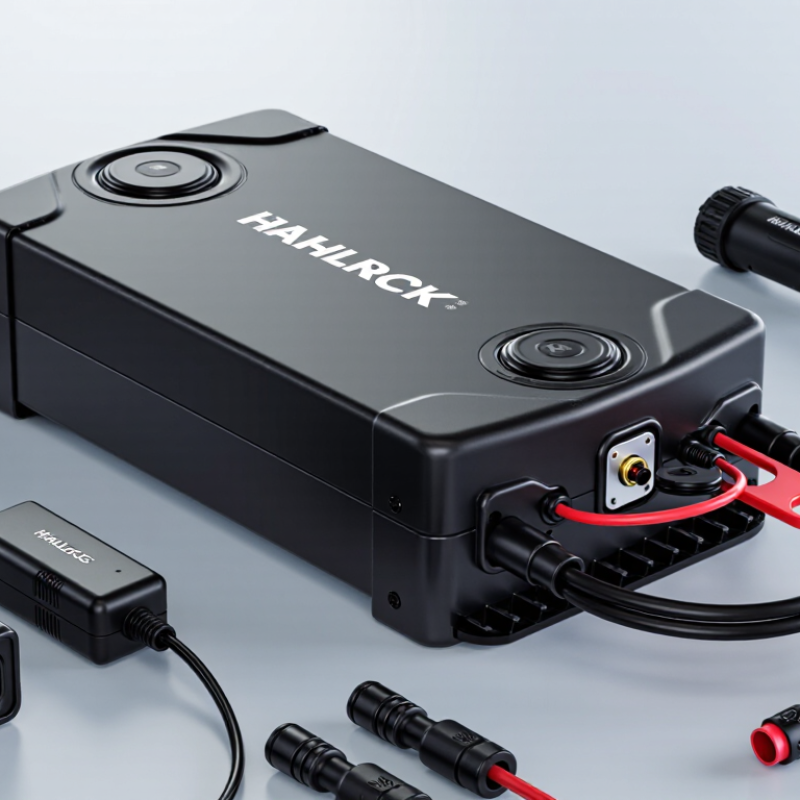
Hailong Ebike Battery: Definition and Core Features
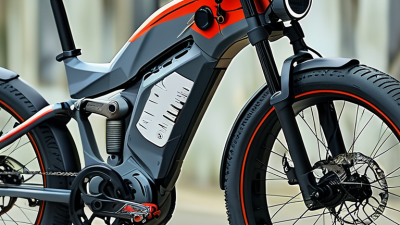
A Hailong e-bike battery is a removable battery housed in a long, slim case, commonly mounted along a bicycle’s down tube. The name describes a case style, not one universal specification. That distinction matters. Two batteries with similar-looking shells may differ in voltage, capacity, connector type, or mounting rail.
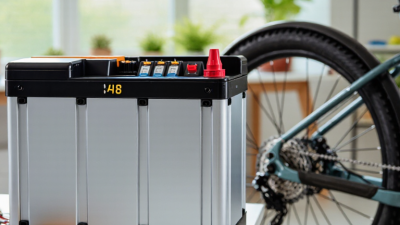
Its core features are a protective enclosure, a cell pack, a battery management system, and contacts for connection to the bike. The management system helps monitor conditions such as voltage and temperature, while the case shields components from everyday bumps and splashes. It is not waterproof by default. Check the maker’s stated protection rating and avoid assuming the battery can withstand heavy rain.
Fit is practical, not just visual.
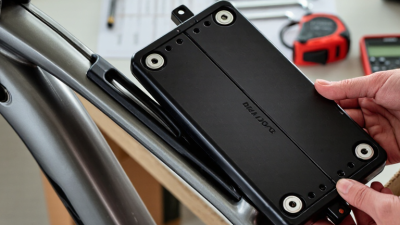
Measure the rail and mounting points, then compare the battery’s voltage and connector with the bicycle’s specifications. Capacity, usually listed in amp-hours or watt-hours, gives a useful estimate of stored energy, but actual range also depends on hills, rider weight, tire pressure, and assist level. Small details matter. A loose mount can rattle over rough pavement, and a mismatched connector may prevent installation. The term can sound more standardized than it is, so verify the exact specifications before choosing a replacement.
Why China Leads Hailong Ebike Battery Manufacturing
China’s strength in Hailong-style e-bike battery manufacturing comes from a dense, connected supply chain. Cell suppliers, enclosure makers, circuit-board workshops, and pack assemblers often operate within the same industrial regions. This can shorten sourcing and production times. It also makes design changes easier: a factory can adjust a molded rail or connector position without rebuilding the entire process.
That closeness matters on the production floor. Workers can check how a pack sits beneath a frame, whether its latch feels secure, and whether the wiring stays clear of moving parts. Battery management systems and protection components can be matched to a pack’s intended use.
Details matter. Still, a busy supply chain does not guarantee consistent quality. Cell grading, weld inspection, moisture control, and final testing vary between factories. Buyers should review test records and sample packs, not rely on location alone.
Some checks may be missed. That is worth admitting. China leads through scale, skilled production, and supplier coordination, but dependable batteries still depend on careful verification at each stage.
How to Identify a Top Hailong Ebike Battery Manufacturer
A top Hailong ebike battery manufacturer should be judged by evidence, not polished product photos. Ask for clear specifications covering voltage, capacity, cell configuration, battery management system, and compatible case dimensions. Reliable suppliers can explain how each unit is inspected and how cell batches are recorded. They should also provide applicable test reports and product documentation that can be independently checked.
Look closely at the details. Does the case close evenly? Are the mounting rails aligned? Do labels match the documents? Small inconsistencies matter. Request sample units and compare their weight, finish, connectors, and stated capacity under consistent test conditions. A serious manufacturer should discuss quality controls, warranty terms, and how faults are handled, without making unrealistic performance promises.
Communication is revealing. Ask who supports technical questions and how replacement parts are managed. Vague answers are a warning. Still, paperwork alone cannot prove long-term reliability; even a careful review has limits. Speak with existing customers when possible, and assess whether the supplier responds clearly when you raise a difficult question.
Quality Standards and Production Processes for Hailong Batteries
A dependable Hailong-style e-bike battery begins with controlled cell selection and clear incoming checks. Factory staff should verify cell dimensions, voltage, internal resistance, and batch records before assembly. Small differences matter: mismatched cells can create uneven heating during charging. The International Energy Agency reported that global battery demand in the energy sector reached 750 GWh in 2023, underlining the scale of production and the need for repeatable quality controls. Scale is not proof of quality, though. Each pack still needs documented inspection.
Production should include consistent spot welding, insulated connections, secure wiring, and a battery management system tested for over-current, over-voltage, and temperature response. Workers can inspect welds under magnification and record results by serial batch. A practical quality plan also includes vibration, thermal, and charge-discharge testing on representative finished packs. IEC 62133-2 provides safety requirements for portable sealed lithium cells; it does not, by itself, certify a complete e-bike battery. BloombergNEF reported average lithium-ion pack prices of $115 per kWh in 2024, down 20% from 2023. Lower prices can improve access, but they should never replace traceability or testing. One overlooked detail? Rechecking samples after transport may reveal loose connectors that factory tests missed.
Nominal Voltage of Common E-Bike Battery Configurations
Pack voltage depends on cell chemistry and the number of cells connected in series. Typical nominal values are about 3.6–3.7 V per lithium-ion cell and 3.2 V per LFP cell; actual voltage varies with charge level and specifications.
Applications, Compatibility, and Buyer Considerations
E-bike batteries serve commuters, delivery riders, and recreational cyclists, but their needs differ.
A city rider may value predictable range and easy charging. A cargo-bike user needs a battery and mounting system suited to heavier loads. Check the motor’s required voltage and the controller’s current limits before choosing a replacement. A battery that physically fits may still be electrically incompatible.
Small detail, big consequence.
Compare the battery’s connector, rail shape, dimensions, and locking points with the bike’s existing setup. Confirm that the charger matches the battery’s chemistry and voltage; do not rely on a similar-looking plug. Ask for clear specifications, warranty terms, and guidance on safe charging and storage. In practice, model names can be confusing, and older bikes may have undocumented changes. Measure the available space yourself, then verify the figures with the seller. Range claims also depend on rider weight, terrain, temperature, and assist level, so treat them as estimates rather than guarantees. A short test ride can reveal handling or mounting issues that product photos miss.