How to Safely Use High And Low Temperature Lithium Batteries?
High and low temperature lithium batteries have become essential in various industries, including electric vehicles and renewable energy. According to a recent report by IDTechEx, the market for these batteries is projected to reach $40 billion by 2030. As temperature extremes can significantly affect battery performance, understanding safe usage is critical for maximizing efficiency and longevity.
Dr. Emily Chen, a leading expert in battery technology, noted, "Proper management of temperature is vital for the health of lithium batteries." This reflects a growing concern in the industry, as improper handling can lead to safety hazards. Research indicates that batteries exposed to extreme heat can experience rapid degradation, while those in cold conditions struggle to maintain charge.
A focus on the right temperature range could improve battery life by up to 30%. However, challenges remain. Users often underestimate the impact of temperature on battery health, exposing them to avoidable risks. Enhanced education and awareness are necessary, emphasizing best practices for managing high and low temperature lithium batteries. This clarity could bridge the gap between awareness and actual safe usage, prompting a deeper reflection on current practices.

Importance of Understanding Temperature Effects on Lithium Batteries
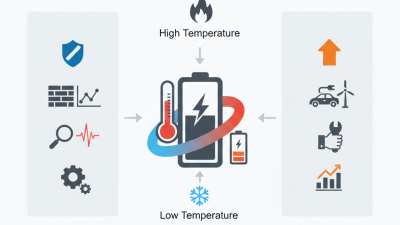
Understanding temperature effects on lithium batteries is crucial for safe usage. Lithium batteries can operate within specific temperature ranges. However, extreme conditions can cause performance degradation. Research shows that operating temperatures above 60°C can lead to reduced lifespan. In contrast, temperatures below -20°C may hinder battery performance and capacity.
High temperatures can increase the risk of thermal runaway. This phenomenon occurs when battery cells overheat, leading to a chain reaction. According to industry reports, more than 30% of lithium battery failures are temperature-related. Monitoring temperatures during charging and discharging is essential. Even a few degrees can significantly impact performance.
Low temperatures also pose challenges for lithium batteries. At lower temperatures, batteries may experience a decrease in energy output and efficiency. A study found that energy capacity can drop by up to 20% in subzero conditions. Users should be aware of these effects. They need to adjust their expectations based on environmental conditions. Ignoring these factors can lead to unexpected battery failures.
How to Safely Use High And Low Temperature Lithium Batteries? - Importance of Understanding Temperature Effects on Lithium Batteries
| Temperature Range (°C) |
Battery Performance |
Safety Precautions |
Storage Recommendations |
| -20 to 0 |
Reduced capacity, potential for irreversible damage |
Avoid prolonged use, ensure proper insulation |
Store in a cool and dry place |
| 0 to 10 |
Capacity loss, longer charging time |
Charge batteries to 40-60% before storing |
Stable temperature environment recommended |
| 10 to 25 |
Optimal performance, normal lifespan |
Follow standard charging practices |
No special requirements |
| 25 to 40 |
Performance degradation increases |
Monitor battery temperature during charging |
Avoid direct sunlight exposure |
| 40 to 60 |
Rapid aging, risk of thermal runaway |
Do not exceed temperature limits |
Use in a climate-controlled environment |
| Above 60 |
Severe risk of failure, explosion hazard |
Immediate shutdown and cooling recommended |
Avoid all use; proper disposal required |
Best Practices for Storing Lithium Batteries in Varying Temperatures
When it comes to storing lithium batteries, temperature plays a critical role. Research shows that lithium batteries perform best at room temperature, ideally between 20°C to 25°C. Extreme temperatures cause degradation. High heat can lead to thermal runaway, risking fires. In contrast, freezing temperatures can reduce battery capacity. For instance, tests indicate that a battery stored at -20°C may lose up to 30% of its capacity.
Humidity is another factor often overlooked. High humidity can corrode battery terminals over time. A corrosion survey revealed that batteries stored in a damp environment significantly deteriorated faster than those kept in dry conditions. Always store lithium batteries in a cool, dry place. Fridge storage is not advisable since condensation can form.
Positioning also matters. Batteries should be stored upright, avoiding contact with conductive materials. Secure storage reduces risks. Avoid leaving batteries in vehicles, especially during extreme weather. Many users reported unexpected battery failures when subjected to such conditions. Proactive measures are crucial to extending battery life and ensuring safety.
Temperature Effects on Lithium Battery Performance
This chart displays the effect of various temperatures on lithium battery capacity. As shown, performance is optimal at room temperature (20°C), while extreme temperatures negatively impact battery capacity.
Safe Charging and Discharging Procedures for Temperature Extremes
Lithium batteries are sensitive to temperature extremes. Safe charging and discharging procedures are vital for performance, especially in high and low temperatures. According to the Battery University, at temperatures above 60°C (140°F), lithium batteries can experience thermal runaway, leading to potential hazards. Conversely, discharging below 0°C (32°F) can cause irreversible damage and reduced capacity.
When charging in extreme conditions, moderate temperatures are crucial. For instance, charging lithium-ion batteries at low temperatures may result in lithium plating. This phenomenon occurs when lithium ions are deposited as metal, reducing battery life. Experts recommend charging within a range of 10°C to 45°C (50°F to 113°F) for optimal performance. Moreover, regularly monitoring battery temperatures can help in preventing potential risks.
Despite precautions, users should remain vigilant. Regularly checking for swelling or unusual heat during charging can be telling signs of battery strain. A study by the International Journal of Energy Research found that consistent monitoring can improve battery lifespan by up to 30%. Adhering to these practices enhances reliability, but they may not account for every unforeseen circumstance. Awareness of these factors fosters a safer environment for battery-operated devices.
Identifying Signs of Battery Damage Due to Temperature Stress
Temperature fluctuations can significantly impact lithium batteries. Identifying signs of battery damage is crucial. One common indicator is swelling. If the battery appears bloated, it may be unsafe. Swelling occurs when the internal pressure increases, often due to overcharging or extreme heat.
Another warning sign is unusual heating. Batteries should not feel hot to the touch during normal use. Excessive heat may indicate a failure. Always monitor your battery while charging. Pitting or discoloration on the surface is another red flag. These visual cues can signify thermal damage.
Finally, listen for any unusual sounds. If a battery hisses or pops, it may be venting gas due to overheating. This situation is dangerous and should be addressed immediately. Regular checks can prevent larger issues. Understanding these signs ensures safer usage of lithium batteries across various temperature conditions.
Emergency Protocols for Overheating or Freezing Lithium Batteries
Lithium batteries can overheat or freeze under extreme conditions. Recognizing the signs of overheating is crucial.
Watch for swelling or unusual odors. If you notice these symptoms, disconnect the battery immediately.
Place it in a cool, dry area. Avoid direct sunlight or heat sources. Always have a fire-resistant container ready for emergencies.
In freezing conditions, lithium batteries may lose efficiency. If the battery feels cold, warm it gradually. Do not use heat sources like a microwave or direct flames.
Instead, let it sit in a warmer environment. This can help restore some performance.
Monitor the battery closely for signs of damage or reduced capacity.
Emergency protocols can save equipment and prevent accidents. It's essential to stay informed about proper handling and storage.
Mistakes can lead to dangerous situations. Document any issues with your batteries. This can help you identify patterns and improve future safety measures.